Is It Worth Buying a Used Car in 2026? Full Guide
Is it worth buying a used car in 2026? Depreciation math, today's market conditions, CPO vs. private party, used EVs, and how to buy smart. Buy with confidence.
Written by admin
Published October 23, 2026
Reading time 6 minutes
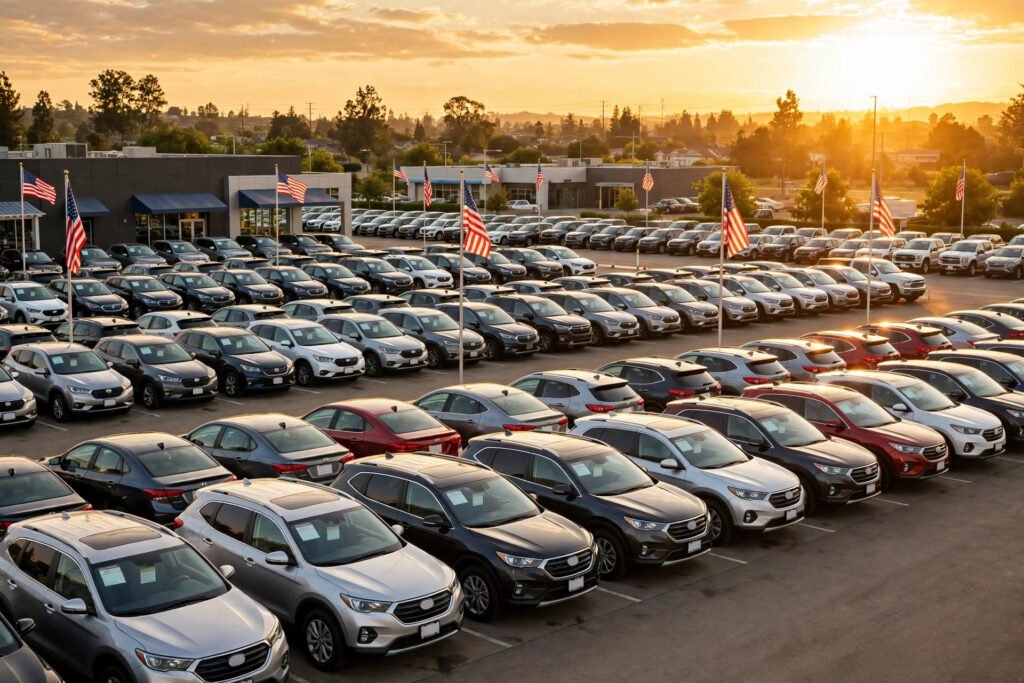
New car prices have spent the last few years doing things that used to be unthinkable — average transaction prices pushing toward $50,000, interest rates making monthly payments brutal, and insurance climbing right alongside. So the question for 2026 is obvious: is buying a used car the smart-money move, or are you just inheriting someone else’s problems? The answer, as with most things involving cars, is that it depends enormously on which used car, at what price, and how carefully you buy. Done right, a used car remains one of the best financial decisions a household can make. Done carelessly, it’s an expensive lesson.
The financial case is still overwhelming
The core argument for used cars hasn’t changed: new cars lose value fastest in their first few years. A typical new vehicle sheds 15–20% of its value in year one and roughly half within five years. Buying a three-year-old car means someone else absorbed that steepest depreciation while you get a modern vehicle with contemporary safety features, backup cameras, and smartphone integration. On a $35,000 car, that’s potentially $10,000+ staying in your pocket — before you even factor in lower insurance premiums and, in many states, lower registration fees.
The monthly-payment math is where used cars really shine in 2026. With auto loan rates elevated, the difference between financing $45,000 new and $22,000 used can easily be $300–400 a month. That’s money that could go toward debt, savings, or simply breathing room. FuelEconomy’s official ratings can help you compare the real running costs of the models you’re considering, since a cheap purchase price means little if the car drinks premium gas.
What’s different about the 2026 used market
The used-car market of 2026 is not the distorted fever market of 2021–2022, when shortages sent used prices soaring above common sense. Supply has normalized substantially: lease returns are flowing again, rental fleets are cycling vehicles, and prices have retreated from their peaks — though they remain higher than pre-pandemic norms. Translation: it’s a much fairer market for buyers than it was, but the screaming deals of 2019 aren’t back either.
One structural shift favors used buyers: reliability has improved across the industry. A well-maintained 2022 model from a reputable brand is a fundamentally sounder machine than a 2012 model was at the same age. Longer powertrain warranties, better rustproofing, and more durable electronics mean today’s three-to-five-year-old cars have most of their useful life ahead of them. The sweet spot remains vehicles around three years old with 30,000–45,000 miles — past the steepest depreciation, young enough to be thoroughly modern.
The risks are real (and manageable)
Let’s be honest about the downsides. Used cars carry unknown history: accidents, flood damage, skipped maintenance, odometer rollbacks. The defense is process, not luck. Always get a pre-purchase inspection from an independent mechanic — the $150–200 it costs is the best money in car buying, routinely uncovering problems that save buyers thousands. Run a vehicle history report, but treat it as a starting point rather than gospel; not all accidents get reported.
Certified pre-owned (CPO) programs from manufacturers split the difference between new and used: inspected vehicles, extended warranties, and often special financing rates, at a premium of roughly 5–10% over equivalent non-certified cars. For buyers who want used-car savings with new-car peace of mind, CPO is frequently the sweet spot — especially for brands with strong CPO warranties. The National Highway Traffic Safety Administration lets you check any vehicle’s recall history by VIN, which takes two minutes and should be non-negotiable before you buy.
New vs. used vs. CPO: the 2026 decision framework
Buy new if you keep cars for 10+ years (spreading the depreciation over a long ownership makes it hurt less), need the latest safety tech, or want a specific EV where battery warranties and tax credits tilt the math. Buy CPO if you want warranty protection and financing deals without the new-car premium. Buy regular used if you’re comfortable with the inspection process and want maximum savings — this is where the sharpest deals live, especially from private sellers.
One more consideration for city dwellers: in places like New York, the car-ownership question comes before the new-vs.-used question. Getting around New York City without a car is often cheaper than any car at all, and making your daily commute more enjoyable might cost less than a single month of parking-garage fees. Run that math first.
The EV question in the used market
Used electric vehicles deserve their own note in 2026, because they’ve become genuine bargains. Early mass-market EVs depreciated brutally as new models improved and tax credits reshuffled pricing — which is bad news for their first owners and great news for you. A three-year-old EV with 40,000 miles often sells for half its original sticker price, yet its battery typically retains 85–90% of original capacity. For commuters with home charging, the fuel savings versus gas are enormous.
The caveats: check battery health specifically (many EVs display it in the infotainment system, or a dealer can run a diagnostic), verify the charging-port standard matches your local infrastructure, and research that model’s real-world range in winter, not the brochure number. Battery replacement horror stories are largely overblown for modern EVs, but out-of-warranty pack failures are expensive — favor models with remaining battery warranty, which is often 8 years or 100,000 miles.
How to buy smart in 2026
Start with financing before shopping: get pre-approved from a bank or credit union so you negotiate price, not monthly payment. Research reliability ratings and typical repair costs for your shortlist — some “cheap” used cars are cheap because they eat transmissions. Shop end-of-month when dealers chase quotas, and always be willing to walk away; the deal you skip never costs you money. For private-party purchases, meet at the seller’s bank to handle the title transfer safely, and never skip the independent inspection no matter how nice the seller seems.
Conclusion
Is it worth buying a used car in 2026? For most buyers, yes — emphatically. The depreciation math still heavily favors lightly used vehicles, the market has normalized from its pandemic distortions, and modern cars are reliable enough that a three-year-old model is barely broken in. The caveat is process: the savings are real only if you inspect carefully, check the history, secure sensible financing, and buy the right model rather than the shiniest one. Do the homework, and a used car remains one of the smartest large purchases a household can make.
Frequently Asked Questions
What is the best age and mileage for a used car?
The sweet spot is typically 2–4 years old with 30,000–50,000 miles: past the steepest depreciation, still modern, and often with remaining factory warranty. Well-maintained cars from reliable brands routinely run 150,000+ miles.
Is certified pre-owned worth the extra cost?
Often yes. CPO vehicles cost roughly 5–10% more than equivalent non-certified cars but include manufacturer inspections, extended warranties, and sometimes promotional financing — a worthwhile premium for buyers who value peace of mind.
Should I get a pre-purchase inspection?
Absolutely, every time, for any used car from any seller. A $150–200 independent inspection routinely uncovers hidden problems worth thousands, and it’s the single highest-value step in used-car buying.
Are used car prices dropping in 2026?
Prices have retreated significantly from their 2021–2022 peaks as supply normalized, though they remain above pre-pandemic levels. Shoppers in 2026 face a far fairer market than during the shortage years.