Owning a car in New York City is one of the most expensive lifestyle choices you can make — and rideshares are famously pricey too. So which actually costs less? The answer surprises most people: for the average New Yorker, rideshares win by a landslide, but the math flips for specific lifestyles. This guide runs the real numbers for 2026 — total cost of car ownership in NYC versus realistic rideshare spending — so you can decide based on data, not assumptions.
The true cost of owning a car in NYC
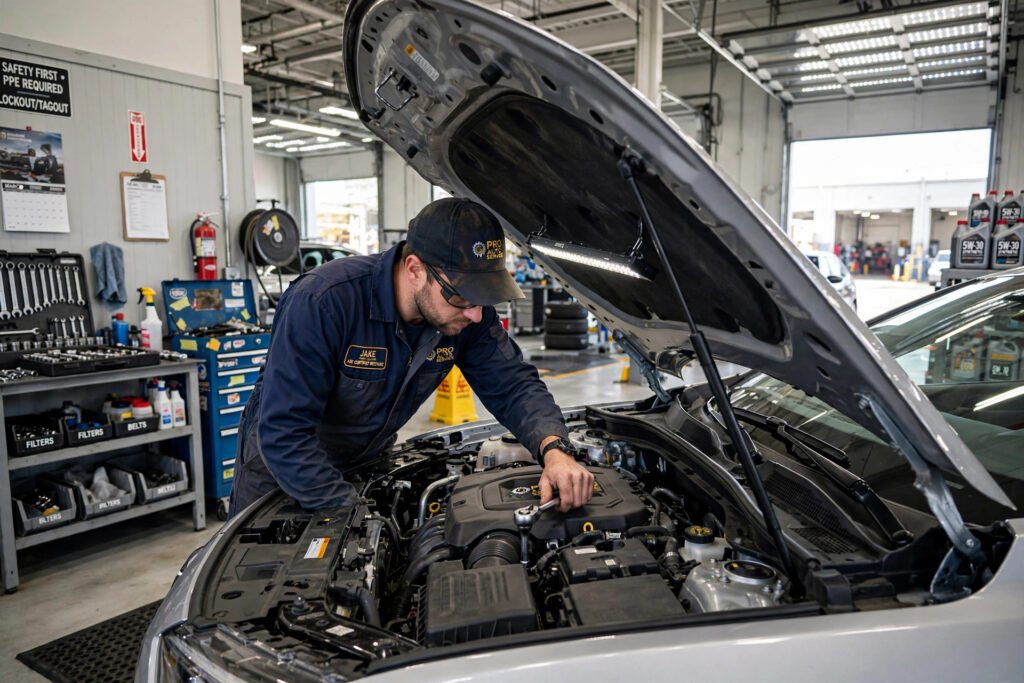
Most people wildly underestimate ownership costs because they count only the car payment — AAA’s annual Your Driving Costs research puts the all-in figure even higher than most drivers guess. The full picture for a typical $25,000 car in New York City:
Car payment: ~$450/month ($25,000 at 7% for 60 months). Insurance: $250–$450/month in NYC, among the highest rates in the country thanks to density and claim frequency. Parking: $300–$600/month for a garage in Manhattan/Brooklyn; “free” street parking costs hours of alternate-side shuffling weekly (your time has value). Gas: $100–$200/month for typical NYC mileage. Maintenance and repairs: ~$100–$150/month amortized (tires, brakes, oil, surprises). Tolls, tickets, registration: ~$50–$100/month amortized.
Total: roughly $1,250–$1,950/month, or $15,000–$23,000/year — for a modest car. A financed SUV in Manhattan with garage parking can easily exceed $2,500/month. And this excludes depreciation, the silent killer: a new car loses ~20% in year one. If you are comparing transportation options broadly, our guide to the cheapest ways to get around New York City puts cars in context against transit, biking, and walking.
The true cost of rideshares in NYC
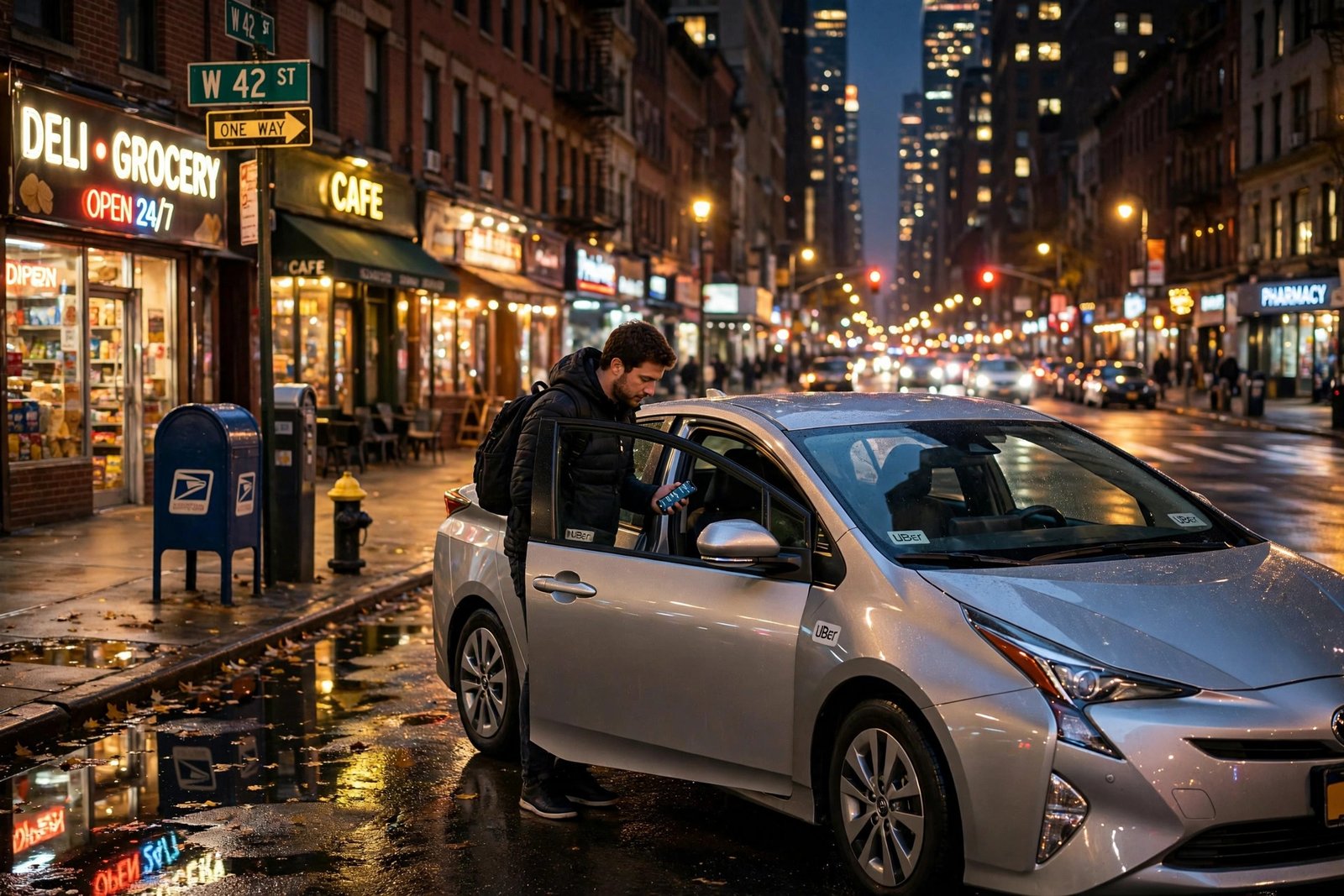
Uber and Lyft pricing in NYC is regulated with minimum pay standards, which keeps prices higher than in most US cities. Realistic numbers: a typical 2–3 mile Manhattan/Brooklyn trip runs $15–$25; airport runs $50–$80; surge pricing can double fares during rush hours, rain, or events.
The moderate user (8–10 trips/month, average $20): ~$180–$200/month, or ~$2,200/year. The heavy user (20 trips/month): ~$400–$450/month, ~$5,000/year. The car-replacement user (40+ trips/month, including commuting): $800–$1,200+/month — at which point ownership starts competing.
Key insight: most New Yorkers dramatically overestimate their rideshare needs. The subway ($132/month unlimited) handles commuting; rideshares fill the gaps (late nights, bad weather, airport runs, outer-borough trips). The transit + rideshare combo — unlimited MetroCard plus 8–12 rideshare trips monthly — costs roughly $350–$400/month total. Compare that to $1,500+/month for ownership.
The breakeven analysis
At ~$20 average per trip, $1,500/month of car ownership equals 75 rideshare trips per month — two to three trips every single day. Almost nobody who lives near the subway takes 75 rideshares a month. The breakeven point where ownership wins:
Rideshares win clearly: you live near subway/transit, commute by train, and use rideshares for convenience (under ~30 trips/month). Annual savings versus ownership: $10,000–$15,000+.
Ownership starts competing: 40+ rideshare trips/month consistently, regular travel to transit-poor areas (parts of Queens, Staten Island, the outer Bronx), frequent airport runs with luggage, or family logistics (kids’ gear, groceries for five) that make per-trip pricing punishing.
Ownership clearly wins: daily driving is unavoidable — reverse commuters to suburbs/Long Island, tradespeople carrying tools, caregivers shuttling family members, or anyone whose job requires a car. Also: if you genuinely love driving and the car is a hobby, not just transport — quality of life counts, and making your commute enjoyable matters whether it is by train or by car.
The hidden factors spreadsheets miss
Time: street-parking alternate-side rules steal 2–4 hours weekly. Garage parking costs money but saves sanity — price both. Stress: NYC driving stress is real and measurable; some people gladly pay the rideshare premium to never parallel park on a busy avenue again. Flexibility: rideshares let you drink at dinner, work during the ride, and never worry about the car — lifestyle value that does not appear in the math. Emergencies: car owners cite “what if I need to get somewhere fast” — but rideshares arrive in minutes, and true emergencies use ambulances, not personal cars. The environment: fewer cars means less congestion and emissions — a real (if unpriced) benefit of the rideshare-plus-transit life.
Smart strategies for each path
If you go car-free: get the unlimited MetroCard/OMNY cap, keep Uber/Lyft plus a taxi app (Curb) for price comparison, schedule airport car services in advance (often cheaper than rideshare for JFK/EWR), and rent a car for weekend trips (Turo and traditional rentals beat ownership for occasional use). Aggressive savers can redirect the $12,000+/year saved — even saving on groceries plus ditching the car compounds into life-changing money over a decade.
If you keep the car: shop insurance ruthlessly (NYC’s biggest variable cost), consider usage-based insurance if you drive little, garage it if street parking is eating your life, maintain it properly (neglect is the most expensive option), and use transit anyway for Manhattan trips (faster and cheaper than driving plus parking).
Tracking your real numbers for one month
Before deciding, run a one-month experiment: log every trip — subway swipes, rideshare receipts, rental days — and total it. Most people discover their actual transportation spending is 30–50% lower than their gut estimate, because the memorable $65 surge-priced airport ride distorts the average while the $2.90 subway trips fade from memory. Compare that monthly total against the ownership figure ($1,250–$1,950) honestly. If you already own a car, calculate your marginal cost of keeping it (insurance, parking, maintenance — excluding the sunk purchase price) versus selling it and going car-free; the math often favors selling even when the car is paid off, because NYC’s fixed costs of ownership (insurance plus parking alone: $550–$1,000/month) exceed most people’s total rideshare budgets. Revisit the numbers yearly — a new job, a new neighborhood, or a new family member can flip the answer.
Conclusion
For most New Yorkers, rideshares plus transit cost $300–$500/month versus $1,250–$1,950/month for car ownership — a $10,000+/year difference that makes rideshares the clear winner unless you drive daily for work, live in a transit desert, or have family logistics that demand a car. Run your own numbers with honest trip counts, and do not let the sunk cost of a car you already own distort the decision. In the city with the best transit in America, the car is usually the luxury, not the necessity. The American Public Transportation Association publishes data on how much car-free households save — the national numbers back up the NYC math.
Frequently Asked Questions
How much does the average New Yorker spend on Uber per month?
Moderate users (8–12 trips) spend $180–$280/month. Heavy users hit $400–$600. Combined with an unlimited MetroCard ($132), most car-free New Yorkers spend $350–$500/month on all transportation.
Is it cheaper to own a car in NYC or use Uber?
Uber/transit is cheaper for most people — roughly $4,000–$6,000/year versus $15,000–$23,000/year for ownership. Ownership only wins at 40+ rideshare trips/month or when daily driving is unavoidable.
What is the real monthly cost of owning a car in NYC?
$1,250–$1,950/month all-in for a modest car: payment, insurance ($250–$450), parking ($300–$600), gas, maintenance, and tolls/tickets. Manhattan garage parking pushes it higher.
Do I need a car in New York City?
Most residents do not — 55%+ of NYC households are car-free. You likely need one only if you reverse-commute to transit-poor areas, carry work equipment, or have family logistics requiring daily driving.
Is renting a car for weekends cheaper than owning?
Almost always. Even 2–3 weekend rentals monthly ($300–$600) cost far less than ownership’s $1,500+/month. Turo, Zipcar, and traditional rentals cover occasional car needs efficiently.