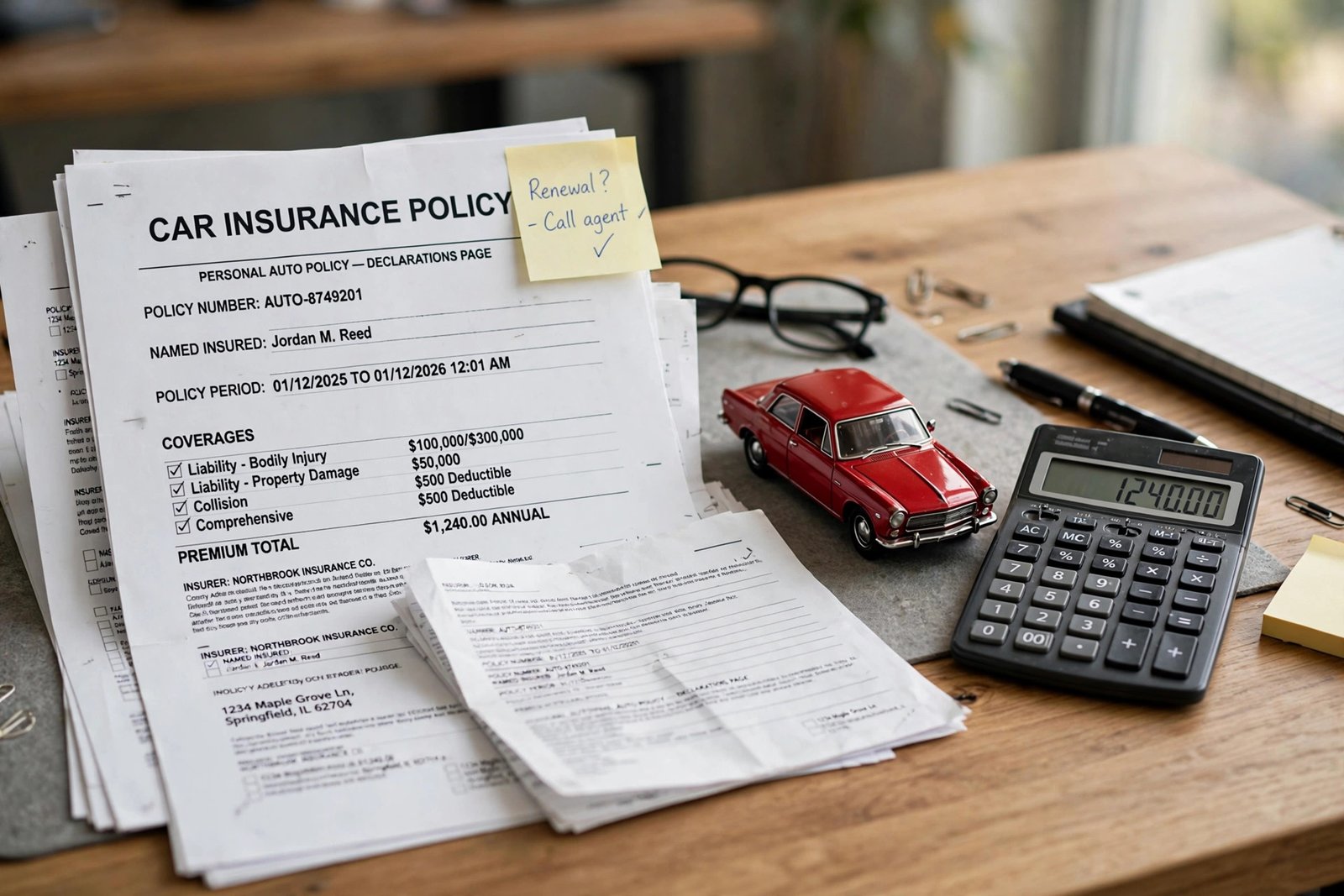
New York has some of the highest car insurance rates in America — the average driver pays roughly $2,500–$3,500 per year for full coverage, nearly double the national average, and NYC rates run higher still. Between dense traffic, high repair costs, rampant fraud, and state requirements, insuring a car here is expensive and confusing. This guide breaks down what car insurance costs in New York, what drives the price, the coverage you actually need, and proven ways to pay less.
What New York requires (the legal minimums)
New York is a no-fault state with mandatory minimums higher than many states: $25,000/$50,000 bodily injury liability, $50,000/$100,000 no-fault personal injury protection (PIP) — this is the big one, covering your own medical costs regardless of fault — $10,000 property damage liability, and uninsured motorist coverage matching your bodily injury limits. These minimums are dangerously low in 2026: a single serious accident can produce $100,000+ in medical bills, and $10,000 in property damage barely covers a fender-bender on a modern car. Minimum coverage protects your license, not your finances. The NY Department of Financial Services auto insurance guide explains the requirements officially.
What full coverage actually costs in 2026
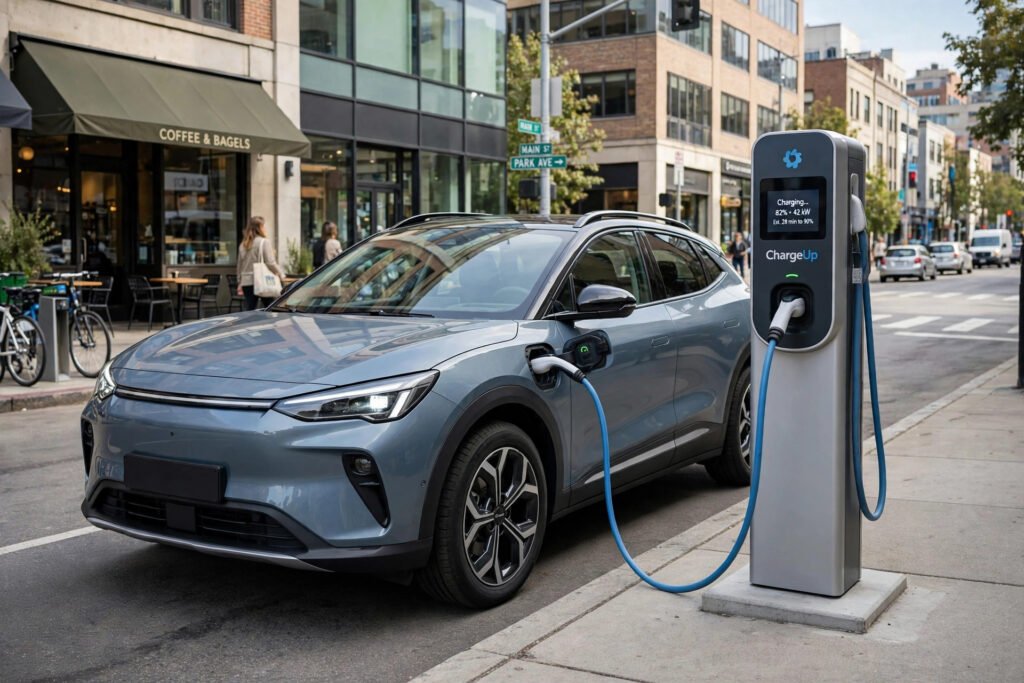
Statewide average: ~$2,200/year for minimum coverage, ~$3,000–$3,500/year for full coverage (liability + collision + comprehensive with typical deductibles). New York City: add 30–60% — Brooklyn and Bronx drivers often pay $4,000–$6,000+/year for full coverage; Manhattan garaged cars slightly less; Queens and Staten Island fall in between. Upstate: often $1,500–$2,200/year for full coverage — a different world. These are averages; your quote depends on the factors below. Note that EVs often cost 10–20% more to insure than gas cars (expensive parts and repairs) — another reason to weigh the full cost of car ownership carefully before committing.
What drives your rate (the 8 big factors)
1. ZIP code. The single biggest factor in New York. Dense urban ZIPs with high claim rates (much of Brooklyn, the Bronx, parts of Queens) pay dramatically more than suburban or rural ones. Moving across the city can change your rate by 50%+.
2. Driving record. A clean record is worth hundreds per year. One speeding ticket: +15–25%. A DUI: +70–100% or non-renewal. An at-fault accident: +30–50% for 3–5 years.
3. Age and experience. Drivers under 25 pay the most — a 20-year-old in Brooklyn can face $7,000+/year. Rates drop significantly at 25 and with each clean year after.
4. Credit-based insurance score. The Insurance Information Institute explains how insurers weight each rating factor — New York allows insurers to use credit information in pricing (with restrictions). Better credit routinely means 20–40% lower premiums — one more reason credit health matters.
5. Vehicle. Expensive to repair = expensive to insure. Luxury cars, EVs, and theft-prone models (certain Kias and Hyundais became infamous) cost more. Before buying, get insurance quotes on your shortlist — the difference between two similar cars can be $800+/year.
6. Coverage levels and deductibles. Raising deductibles from $500 to $1,000 typically saves 10–20%. Dropping collision/comprehensive on an old paid-off car can save 40%+.
7. Mileage. Low-mileage drivers (under 7,500 miles/year) qualify for discounts — relevant in NYC, where many cars sit garaged most of the week.
8. Marital status and education/occupation. Insurers use these rating factors in NY; married drivers and certain professions pay less.
How much coverage do you actually need?
Recommended baseline: 100/300/100 liability ($100k per person, $300k per accident, $100k property) — the industry-standard “responsible adult” level, costing only modestly more than state minimums. Add umbrella coverage ($1M for ~$150–$300/year) if you have assets or income worth protecting — it is the cheapest catastrophic protection in personal finance. Collision/comprehensive: keep it on cars worth $5,000+ or any financed vehicle (lenders require it); drop it on beaters where premiums exceed the car’s value. Gap insurance: essential if you owe more than the car is worth (common with low down payments). Skip: rental reimbursement and roadside assistance if you already have them through AAA or a credit card — do not pay twice. Compare your total insurance picture too: business insurance costs and whether travel insurance is worth it use the same value-analysis framework.
10 proven ways to lower your New York premium
1. Shop every 12–18 months. Insurers price to acquire, not to retain — loyal customers overpay. Get 4–5 quotes; online comparison takes an hour and routinely saves $500+.
2. Bundle home/renters + auto. Multi-policy discounts run 10–25% — often the single biggest easy saving.
3. Raise deductibles. $500 → $1,000 saves 10–20% if you can cover the deductible from savings.
4. Take the defensive driving course. New York’s PIRP course (6 hours, ~$25 online) cuts liability and collision premiums 10% for three years — mandated by law. The best ROI in insurance.
5. Usage-based/telematics programs. Progressive Snapshot, Allstate Drivewise, and similar programs discount 10–30% for safe driving — ideal for low-mileage NYC drivers.
6. Low-mileage discounts. If you drive under 7,500 miles/year, say so — many NYC drivers qualify without realizing it.
7. Improve your credit. A 100-point credit improvement can cut premiums 15–30% in New York. Long game, big payoff.
8. Drop unneeded coverage on old cars. Paying $900/year for collision on a $4,000 car is bad math.
9. Ask about every discount. Good student, alumni, professional association, paperless, paid-in-full (saves ~5–10% versus monthly), anti-theft devices — discounts stack.
10. Consider garaging honestly. Where the car sleeps matters enormously in NYC. A garaged Manhattan car can cost less to insure than a street-parked Brooklyn one — factor this into housing decisions. And if the total cost of ownership is making you question the car entirely, saving aggressively elsewhere is cold comfort — run the full ownership math instead.
Conclusion
Car insurance in New York costs $2,500–$3,500+/year for full coverage statewide — more in NYC, less upstate — driven by your ZIP code, driving record, age, credit, and vehicle. Buy 100/300/100 liability plus umbrella if you have assets, keep collision on valuable cars, and attack the price with the proven levers: shop annually, bundle policies, raise deductibles, take the defensive driving course, and enroll in telematics. An hour of comparison shopping is the highest-paid hour of your year — New York drivers who shop save $500–$1,000+ annually. Your ZIP code is not your destiny; your shopping habits are.
Frequently Asked Questions
How much is car insurance in NYC per month?
Roughly $250–$500+/month for full coverage depending on borough, driving record, and vehicle — Brooklyn and the Bronx run highest. Minimum coverage averages $150–$250/month.
What is the minimum car insurance required in New York?
$25k/$50k bodily injury, $50k/$100k no-fault PIP, $10k property damage, plus uninsured motorist coverage. Experts recommend 100/300/100 instead — minimums are inadequate for serious accidents.
Why is car insurance so expensive in New York?
Dense traffic and high claim frequency, expensive repairs, high medical costs under no-fault PIP, fraud, and litigation rates. NYC’s density multiplies every factor.
Does a speeding ticket raise insurance in NY?
Yes — typically 15–25% for three years. Multiple violations compound. The state defensive driving course can offset some of the increase.
How can I lower my car insurance in New York fast?
Shop 4–5 insurers (saves $500+), bundle policies, raise deductibles to $1,000, complete the $25 defensive driving course (10% off for 3 years by law), and enroll in a telematics program.