
What Is the Cheapest Way to Get Around New York City? (From $0)
What is the cheapest way to get around New York City? Walking — it’s free, and in Manhattan it’s often the fastest option too. But for the times your feet aren’t enough, NYC has one of the world’s great transit bargains hiding in plain sight: the subway’s flat fare and free transfers.
Visitors routinely overspend on NYC transportation — $60+ Uber rides that a $2.90 subway trip would have beaten. Here’s the real cost breakdown and the strategy for every situation.
The Subway: Your $2.90 Best Friend
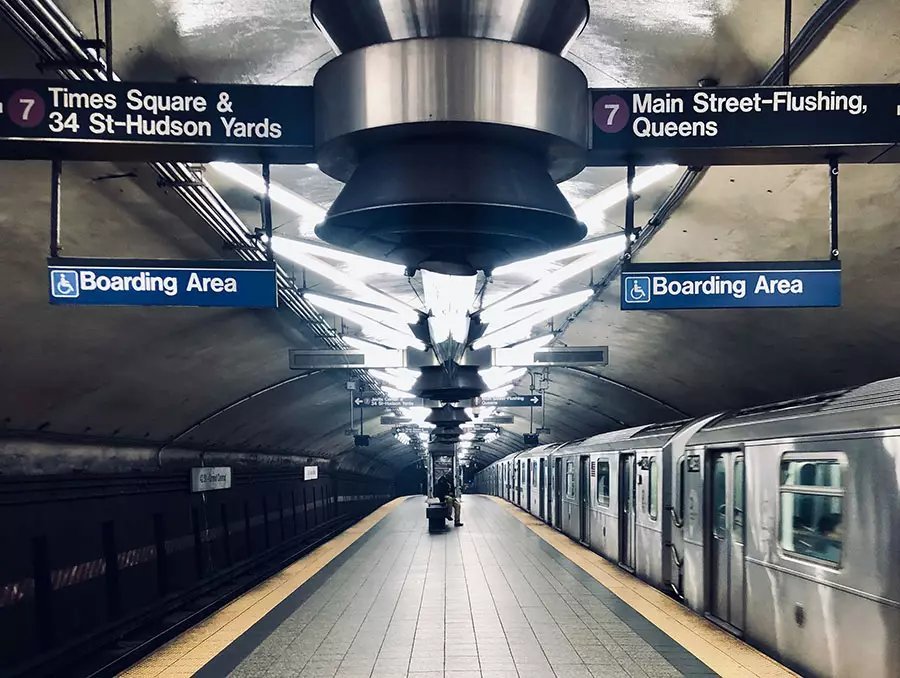
The subway is the backbone of cheap NYC travel: $2.90 per ride (OMNY tap-to-pay or MetroCard), with free transfers between subway and bus within two hours. The weekly cap is the killer feature — tap the same card/device and after 12 paid rides in a week (Monday–Sunday), the rest are free. For a week-long visit with heavy transit use, you’ll hit the cap and ride free for days.
- Use OMNY (tap your phone/card). No MetroCard purchase needed, automatic weekly cap, works on subways and buses.
- Learn the express/local system. Express trains skip stops — the difference between a 20-minute and 45-minute trip. Google Maps transit directions handle this automatically.
- Uptown/downtown, not north/south. Manhattan directions are uptown (north) and downtown (south). Knowing this prevents 50% of tourist confusion.
- Off-peak is pleasant; rush hour is sport. 8–9:30 a.m. and 5–7 p.m. are packed. If your schedule flexes, travel just outside these windows.
Buses, Ferries, and Bikes: The Cheap Alternatives
- Buses ($2.90, free transfer). Slower than subway in Manhattan traffic, but great for crosstown trips and areas the subway skips. Same OMNY system.
- NYC Ferry ($4.50). Not the cheapest, but the best value-per-view in the city — East River routes with skyline views that tour boats charge $30+ for. Worth it at least once.
- Citi Bike ($4.99/30-min single ride, or $19.99/day). Great for Central Park, the Hudson Greenway, and short hops. Manhattan is surprisingly bikeable with the protected lanes.
- Walking (free). Below 59th Street, walking often beats transit for trips under a mile — and you see the city. Budget 20 minutes per mile at tourist pace.
What Is the Cheapest Way to Get Around New York City From the Airports?
- JFK: AirTrain ($8.50) + subway ($2.90). About $11.50 total to Manhattan, 45–75 minutes. The taxi flat rate is $52 + tip + tolls — the train wins on price always, on time usually.
- Newark: NJ Transit ($16.50) to Penn Station. ~30 minutes, straightforward. Taxis run $75+.
- LaGuardia: free Q70 bus to subway. The Q70 LaGuardia Link is free and connects to the E/7/R lines — total cost $2.90. This is one of travel’s great bargains.
When to (Rarely) Splurge
- Late night. Subway runs 24/7 but late-night waits are long and some travelers prefer rideshares after midnight. Safety and comfort can justify the cost.
- Groups of 3–4. An Uber split four ways sometimes approaches subway cost — do the math per trip.
- Luggage-heavy airport runs. Dragging bags through subway stairs at rush hour is miserable; the taxi flat rate buys sanity.
- Outer-borough late nights. When transit thins out, rideshare fills the gap.
Pair cheap transit with smart timing — our guide to the best time to visit NYC helps you avoid the priciest seasons, and getting through airport security faster smooths the arrival end. For general flight booking, when to book flights covers the timing.
The Weekly Visitor’s Transit Plan
Day 1: tap OMNY and go — don’t buy anything special. Use subway for distance, walk for short hops, take the ferry once for the views. By mid-week you’ll hit the 12-ride cap and ride free. Total weekly transit cost: capped at about $35. Compare that to three Uber rides and weep for the tourists who didn’t read this.
NYC Transit Etiquette (Don’t Be That Tourist)
- Stand right, walk left on escalators and stairs. This is sacred law.
- Let people off before boarding. Stand aside at the doors. Every New Yorker is watching.
- Move to the center of the car. The doorway hover blocks everyone. Step in.
- Backpacks off in crowds. Hold it between your feet or in front. Your backpack has a personal space bubble that doesn’t exist.
- No pole-hogging, no manspreading. Shared space, shared rules.
- Headphones for everything. Your music, your calls, your videos — nobody else wants them.
Follow these and you’ll blend in fine. Break them and you’ll get the Look — New York’s universal correction mechanism. The MTA’s official site has service alerts, trip planning, and fare info — check it before heading out, especially on weekends when construction reroutes are common.
Getting Around the Boroughs (Beyond Manhattan)
- Brooklyn: subway-rich (most lines run through it), walkable neighborhoods, the ferry for the views. Don’t sleep on Brooklyn — half the city’s best food is here.
- Queens: the 7 train is the lifeline — Flushing’s food scene alone justifies the trip. Enormous, diverse, underrated.
- The Bronx: the 4/5/6 and D trains; the Zoo and Botanical Garden are world-class and transit-accessible.
- Staten Island: the free ferry (a destination in itself), then buses. The forgotten borough rewards the curious.
NYC Transit Apps Worth Having
Three apps transform NYC transit: a real-time arrivals app (the countdown clocks aren’t everywhere — the app tells you when the next train actually comes, including delays), the official MTA app (service alerts, trip planning, OMNY management), and an offline subway map (for the dead zones between stations). Download all three before you arrive, allow notifications for your most-used lines, and screenshot your hotel’s nearest stations. The tourist with the apps navigates like a local; the tourist without them navigates like it’s 1995.
The Bottom Line
The cheapest way around NYC is walking (free, often fastest in Manhattan) plus the subway ($2.90/ride, free transfers, weekly cap at 12 rides). Use OMNY tap-to-pay, take the $2.90 LaGuardia bus-subway combo, ride the $4.50 ferry for the views, and save Ubers for late nights and luggage days. A week of unlimited-feeling transit costs about $35 — the city’s best bargain.


