How to Avoid Rental Scams in New York City (2026)
How to avoid rental scams in New York City: the 7 most common scams, red flags, a verification checklist, your legal protections, and what to do if scammed.
Written by admin
Published October 24, 2026
Reading time 6 minutes
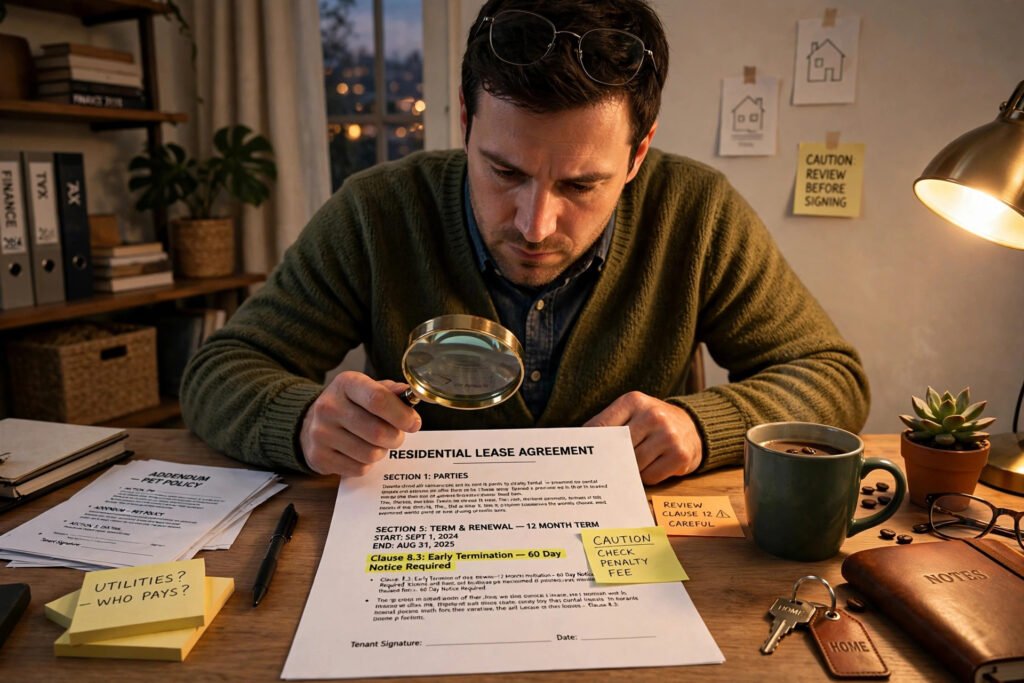
New York City’s brutal rental market — high prices, low vacancy, intense competition — is the perfect hunting ground for scammers. Every year, thousands of renters lose deposits, fees, and personal data to rental fraud, from fake listings to phantom landlords to identity theft operations. The scams are sophisticated, the pressure is real, and the consequences are expensive. This guide covers every major rental scam operating in NYC, the red flags that expose them, and exactly how to protect yourself.
Why NYC renters are prime targets
Scammers thrive on desperation and speed. NYC’s market delivers both: vacancy rates near historic lows, bidding-war dynamics on good apartments, and newcomers unfamiliar with local norms. A scammer’s ideal victim is someone apartment-hunting under time pressure — the recent graduate, the relocating professional, the family whose lease ends in two weeks. They create urgency (“three other people are seeing it today”), dangle below-market prices, and exploit the fact that legitimate NYC renting already involves wiring large sums to strangers. Understanding this psychology is your first defense: anytime you feel rushed, slow down. Legitimate landlords can wait 24 hours.
The 7 most common NYC rental scams
1. The phantom listing
The classic: a beautiful apartment at an unbelievably low price, with photos stolen from real listings or Airbnb. The “landlord” is always out of town, cannot show the unit, but will “hold it” if you wire a deposit. There is no apartment. Red flags: price 20%+ below market, stock-quality photos, refusal to show in person, pressure to wire money. Defense: reverse-image-search the photos (scammers steal them constantly — learn how to tell if a photo is AI-generated or stolen), insist on an in-person or live video tour, and never wire money for an unseen unit.
2. The bait-and-switch
A real apartment is advertised at a great price; when you arrive, “it just rented,” but the agent has “something similar” — smaller, worse, pricier. Common with high-volume rental brokerages. Defense: confirm the specific unit is available before traveling, get the address and unit number in writing, and walk away from the switch — rewarding it funds more of it.
3. The fake landlord / sublet scam
Someone “rents” you an apartment they do not own — often an Airbnb or a friend’s place they have keys to. You pay first month, security, and broker fee; the real tenant returns to find a stranger. Defense: verify ownership through NYC’s ACRIS property records (free, public), ask for the landlord’s ID and proof of ownership, and be deeply suspicious of sublets without the primary leaseholder’s written consent and the landlord’s approval.
4. The application-fee harvest
Fake listings collect $20–$75 “application fees” from dozens of hopeful renters for an apartment that does not exist. New York law caps application fees at $20 — anyone charging more is breaking the law, which tells you everything. Defense: never pay application fees before seeing the unit and verifying the lister; know the $20 legal cap.
5. The wire-fraud closing scam
Targeted at buyers more than renters, but spreading: scammers hack email accounts and send fake wiring instructions for deposits or closing funds. Defense: verify all wiring instructions by phone using a known number (not one from the suspicious email), and learn to spot compromised accounts — our guide to telling if your email has been hacked covers the warning signs.
6. The identity-theft application
A fake landlord collects your Social Security number, bank statements, and ID “for the application” — then opens credit cards in your name. Defense: never send sensitive documents until you have verified the person and property; redact account numbers where possible; and understand the risks of sharing personal data — see whether it is safe to share personal information online for the broader principles.
7. The “too good to be true” room-share
A stunning room in a prime neighborhood for $900/month, listed by someone who “just wants a nice roommate.” You wire a deposit to “secure” it before arriving. The apartment does not exist. Especially common targeting newcomers and students.
The verification checklist (use it every time)
Before paying anyone anything: 1. Tour the unit in person (or via live video you control — not a prerecorded clip). 2. Verify ownership on ACRIS or ask the management company to confirm the listing agent. 3. Check the agent’s license on the NY Department of State site. 4. Google the exact listing text and photos — duplicates across cities mean scam. 5. Get everything in writing: the unit, the rent, the fees, the lease terms. 6. Pay by traceable methods (check, card) — never wire transfers, gift cards, crypto, or cash to strangers. 7. Read the lease fully before signing; NYC leases have specific required disclosures. The FTC’s renter protection resources outline your federal rights.
NYC-specific protections you should know
New York law is relatively renter-friendly — know your rights: application fees capped at $20; security deposits capped at one month’s rent (and must be returned within 14 days of move-out with an itemized statement); broker fees must be disclosed; landlords must provide a good-faith estimate of charges; and it is illegal for landlords to discriminate based on lawful source of income (including housing vouchers). If a “landlord” demands two months’ security or a $500 application fee, you are dealing with either a scammer or a lawbreaker — either way, walk away. Report fraud to the NY Attorney General’s office and file a complaint with the FTC at ReportFraud.ftc.gov.
If you have already been scammed
Act fast: 1. Stop all payments immediately and contact your bank about reversing transfers. 2. File a police report (you will need it for bank disputes). 3. Report to the FTC and NY Attorney General. 4. If you shared personal data, freeze your credit with all three bureaus and monitor for identity theft. 5. Document everything — screenshots, emails, receipts. Recovery of wired money is difficult but not impossible if you act within 24–72 hours; banks can sometimes reverse recent wires. Do not feel embarrassed — these operations are professional, and reporting helps shut them down.
Conclusion
Rental scams in New York City exploit the market’s speed and desperation, but every major scam collapses under basic verification: tour in person, check ownership on ACRIS, verify licenses, never wire money for unseen apartments, and know the legal caps ($20 application fees, one month’s security). The apartment hunt is stressful enough without losing thousands to fraud. Slow down, verify everything, and remember the iron rule — if the deal seems too good to be true in this market, it is not a deal. It is a trap.
Frequently Asked Questions
What is the most common rental scam in NYC?
The phantom listing — a fake apartment advertised below market with stolen photos, where the “landlord” pressures you to wire a deposit without an in-person showing. Reverse-image-searching photos exposes most of them.
How much can a landlord charge for an application fee in NYC?
$20 maximum by law. Anyone charging more is violating New York’s tenant protection laws.
How do I verify who owns an apartment building in NYC?
Use the city’s free ACRIS system (a836-acris.nyc.gov) to look up property records by address. You can also ask the building’s management company to confirm a listing agent’s authorization.
Is it safe to wire a security deposit before seeing an apartment?
No — never wire money for an apartment you have not toured in person (or via a live video tour you control). Legitimate landlords accept traceable payments after you have seen the unit and signed a lease.
Where do I report rental fraud in New York?
File a police report, complain to the NY Attorney General’s office, and report to the FTC at ReportFraud.ftc.gov. Act quickly — banks can sometimes reverse recent wire transfers.