
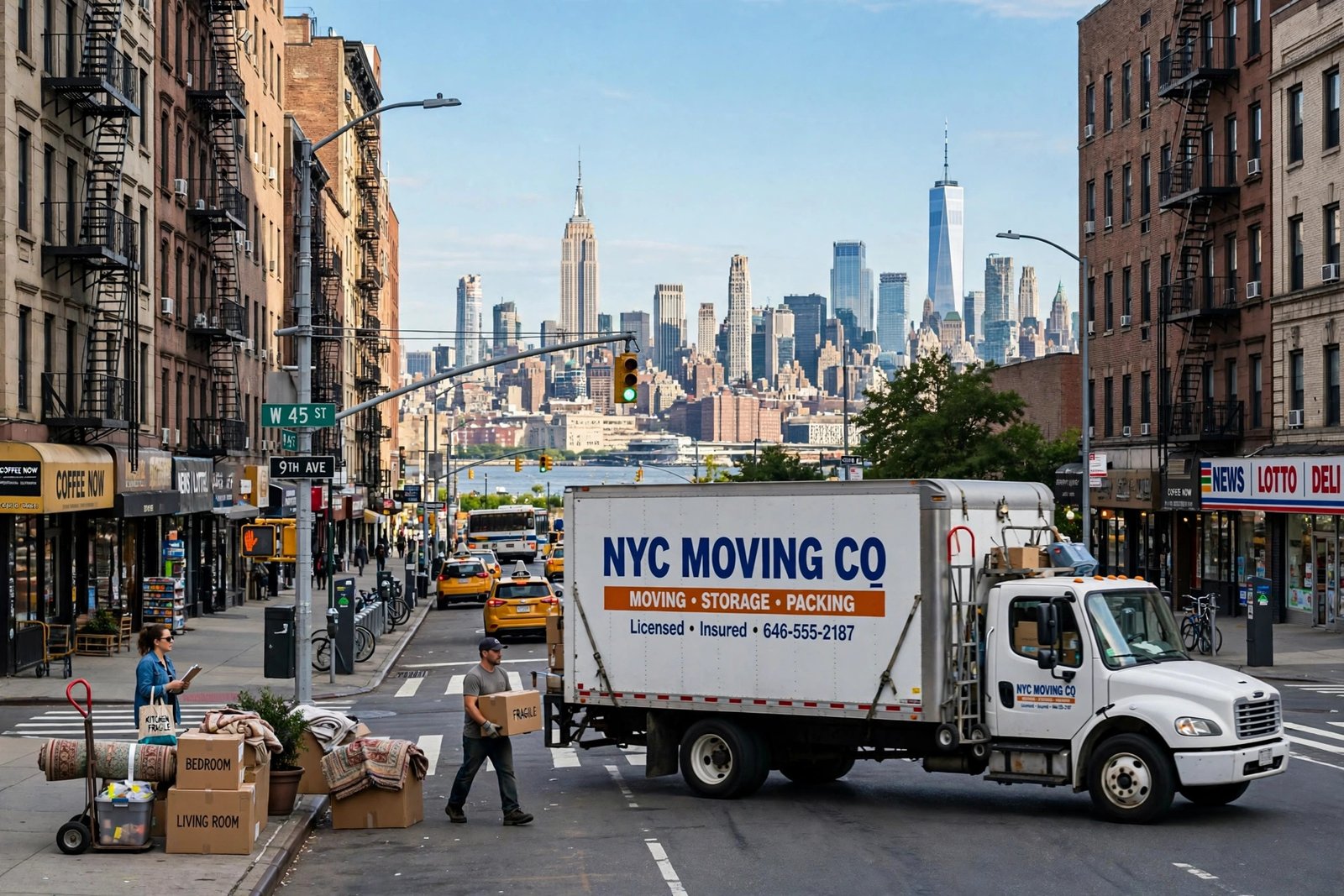
Moving to New York City on a tight budget sounds like a contradiction — the most expensive city in America, on a shoestring. But thousands of people do it every year: recent graduates, career changers, artists, and strivers who refuse to let money be the reason they do not try. It requires planning, hustle, and realistic expectations, but it is absolutely doable. This is the practical playbook for getting to NYC, housed, and stable without going broke in the first 90 days.
Before you move: the financial runway
Save a minimum landing fund. The realistic minimum is $5,000–$7,000: first month’s rent plus security deposit (often $3,000–$5,000 combined for a room), two weeks of expenses, and a buffer for surprises. More is better — $10,000 gives you genuine breathing room. If you cannot save this, delay the move; arriving with $800 and hope is how people end up in bad situations.
Line up income before you arrive. The single biggest predictor of a successful budget move is having a job (or firm freelance pipeline) on day one. Remote work you keep, a transferred position, or even a lined-up service job beats arriving unemployed. NYC’s job market is vast but competitive — start applying 6–8 weeks out, and be honest with yourself about what you will accept initially. The Bureau of Labor Statistics’ New York region data can help you benchmark realistic wages for the jobs you are targeting. Our guide to dealing with loneliness in a new city is worth reading now, because the emotional side of a budget move hits as hard as the financial side.
Downsize ruthlessly. Every cubic foot you move costs money. Sell furniture (it is cheaper to rebuy used in NYC than to ship it), digitize what you can, and arrive with suitcases, not a truck. The city’s used-furniture ecosystem — Craigslist, Facebook Marketplace, sidewalk finds on bulk-trash days — will refurnish you for hundreds, not thousands.
Getting there cheap
By bus: Megabus, FlixBus, and Greyhound run routes to NYC from across the eastern US for $20–$80 if booked early. The Chinatown buses are even cheaper. Uncomfortable? Sometimes. Unbeatable value? Always.
By car: driving? Our guide to planning a cross-US road trip on a budget covers the gas, food, and lodging math — and think hard about whether to bring the car at all (see below).
Shipping: Amtrak Express, Greyhound Package Express, or USPS ground for boxes ($30–$80 per large box). For most budget movers, 3–5 shipped boxes plus luggage beats any moving company.
What not to do: hire a full-service mover for a studio’s worth of stuff (expect $2,000–$5,000+), or rent a truck one-way into Manhattan (plus tolls, gas, and the special hell of Manhattan parking).
Housing: the make-or-break decision
Get a room, not an apartment. Your first NYC housing should be a room in a shared apartment: $1,000–$1,800/month depending on neighborhood, versus $2,500+ for even a studio. Search Gypsy Housing NYC (Facebook), SpareRoom, Listings Project, and Craigslist rooms-for-rent. Sublet for your first 1–3 months if possible — it buys time to learn neighborhoods before committing to a lease.
Choose the neighborhood for your wallet. Washington Heights, Inwood, Bushwick, Bed-Stuy, Astoria (parts), Bay Ridge, and the Bronx along the subway lines offer rooms under $1,400 and reasonable commutes. A 35-minute train ride that saves $700/month is the budget mover’s superpower.
Understand the upfront costs — and your rights. NYC’s official tenant resources explain security deposit rules and lease protections before you sign anything. Even a room often requires first month plus security deposit; full apartments may demand first + security + broker fee (12–15% of annual rent — devastating on a budget, so prioritize no-fee listings). Budget the full move-in cost before you fall in love with a place.
Consider the car question now. Keeping a car in NYC costs $400–$800+/month (insurance, parking, gas). For most budget newcomers, selling the car before moving is the smartest financial decision of the entire relocation.
The first 30 days: survival budget
Set up the essentials cheaply: get a monthly MetroCard or OMNY fare capping ($132/month unlimited — your lifeline); buy a used bike if your commute allows (or use Citi Bike); furnish from Facebook Marketplace and thrift stores; cook from day one (a $300/month grocery budget beats $900 in takeout — meal planning is a survival skill).
Find the free city: NYC’s free resources are extraordinary — public libraries (free coworking, wifi, and sanity), free museum days and pay-what-you-wish hours, summer concerts and movies in parks, and endless free events. Entertainment does not have to cost anything while you stabilize.
Build income redundancy: even with a job, line up a side option — food delivery, task apps, freelance gigs. The first months are when surprises happen, and a $200/week side hustle is the difference between a setback and a crisis. If you need a cheap crash pad during the transition, finding affordable hotels in expensive cities covers the gap-night tactics.
The 90-day stabilization plan
Days 1–30: survive and observe. Learn your commute, find the cheap grocery stores (Aldi, Trader Joe’s, Chinatown markets, Costco via a friend’s membership), and map your neighborhood’s free resources. Spend as little as possible while you learn the terrain.
Days 31–60: optimize. Renegotiate or find better housing if your landing spot was temporary. Build a real budget with actual NYC numbers. Start the emergency fund — even $500 changes your psychology from fragile to stable.
Days 61–90: stabilize. By now you should know your monthly burn rate, have income covering it with margin, and see the path forward. If the math does not work after 90 days of honest effort, that is data — adjust (different neighborhood, different job, different plan) rather than draining savings to zero.
Mistakes that sink budget moves
Signing a lease in week one. The first apartment you see is never the best deal. Sublet or short-term first, sign later with knowledge.
Keeping the car. Worth repeating: the car is usually the budget-killer. Sell it.
Eating out like a tourist. NYC’s food scene is a trap for newcomers. Cook 90% of meals for the first three months.
No income lined up. “I will figure it out when I get there” is the most expensive sentence in relocation. Figure out the money first.
Isolating. Budget moves are lonely, and loneliness leads to bad spending (retail therapy, bar tabs). Build community fast — free events, roommates, hobby groups. The city is full of people who arrived exactly like you.
Conclusion
Moving to NYC on a tight budget works when you: save a $5,000–$7,000 landing fund, secure income before arriving, ship boxes instead of hiring movers, start with a room in an affordable neighborhood, ditch the car, cook your meals, and give yourself 90 days to stabilize. Thousands of New Yorkers started exactly this way — broke, determined, and eventually thriving. The city rewards hustle more than wealth. Bring the hustle, respect the math, and welcome home.
Frequently Asked Questions
How much money do I need to move to NYC?
A realistic minimum landing fund is $5,000–$7,000: first month’s rent plus security for a room ($2,000–$3,500), two weeks of living expenses, and a buffer. $10,000 is far more comfortable.
What is the cheapest way to move to New York City?
Take a budget bus ($20–$80), ship 3–5 boxes ($30–$80 each), arrive with luggage, and sublet a room for the first month or two. Avoid full-service movers and one-way truck rentals into Manhattan.
Should I bring my car when moving to NYC?
Usually no. Keeping a car in NYC costs $400–$800+/month all-in. For most budget newcomers, selling before the move is the smartest financial decision.
Where should I live in NYC on a budget?
Washington Heights, Inwood, Bushwick, Bed-Stuy, Bay Ridge, and Bronx neighborhoods along subway lines offer rooms from $1,000–$1,400 with reasonable commutes. Start with a room, not a full apartment.
Can I find a job after moving to NYC?
You can, but lining up income before you arrive dramatically improves your odds. Start applying 6–8 weeks out, and have a side-hustle backup plan for the first months.