
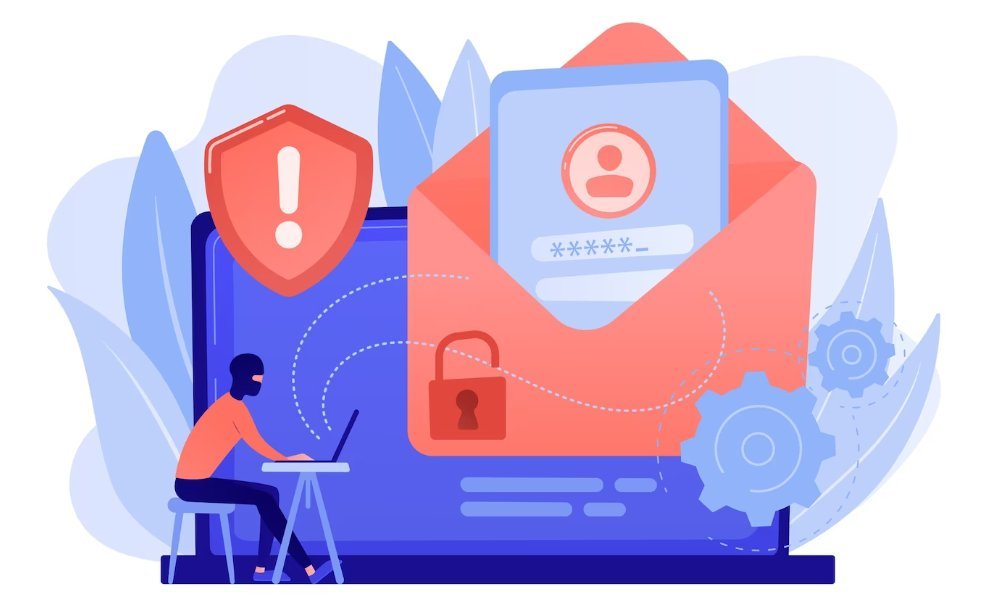
That weird email your friend 'sent' at 3am? Might not be from your friend. So how can I tell if my email has been hacked — before the damage spreads?
So, how can I tell if my email has been hacked? I spent a good chunk of time researching this, comparing options, and reading what real users say. Here's the honest breakdown.
Here’s the Deal
Check for these red flags: password-reset emails you didn't request, sent messages you didn't write, login alerts from unfamiliar locations, contacts receiving spam 'from you,' and changed recovery settings. Then check haveibeenpwned.com to see if your address appeared in known breaches. If anything looks off, change your password immediately, enable two-factor authentication, and review connected apps and forwarding rules — hackers often set up silent email forwarding to keep spying after a password change.
That's the gist, but the details matter here — they decide whether you overpay, waste time, or get it right the first time.
Worth a read next: What is the difference between SSD and HDD storage.
For the official word, check the FTC's guide to recovering hacked accounts, which lays out the details straight from the source.
How Can I Tell If My Email Has Been Hacked? 7 Warning Signs
- The part nobody mentions: Mystery sent emails or replies you didn't write are the clearest sign of a compromised account.
- Check your account's recent activity page (Gmail: bottom-right 'Details'; Outlook: account security page) for unfamiliar logins.
- Look for forwarding rules you didn't create — attackers add them to silently receive copies of your mail.
- Password-reset emails you didn't request mean someone is probing your other accounts.
- Worth knowing: If contacts say they're getting spam from you, your account is likely sending it — or your address was spoofed.
What This Looks Like in Practice
A colleague's Gmail was hacked last year. The giveaway: a forwarding rule sending all her mail to an unfamiliar address, plus login alerts from another country she'd ignored for weeks. Changing the password took two minutes — finding the forwarding rule took the real detective work.
Locking the Attacker Out for Good
Here’s something the spec sheets won’t tell you: real-world performance and advertised performance are different animals. Battery life is measured in lab conditions, WiFi speeds assume you’re hugging the router, and “water resistant” comes with fine print that would make a lawyer blush. I take every manufacturer claim and mentally shave off 20–30%. If the product still looks good after that haircut, it’s probably genuinely good.
User reviews are your best friend here — but read them like a detective, not a tourist. Ignore the five-star raves and the one-star rants; the truth lives in the three-star reviews where people explain exactly what bugged them after a month of real use. Sort by “most recent” too, because firmware updates can fix or break things, and a review from two years ago might describe a product that barely exists anymore.
Timing matters more than most people realize. Tech prices follow rhythms — new models drop in predictable seasons, and the previous generation gets discounted right after. If you can wait six to eight weeks, you can often get last season’s flagship for the price of this season’s mid-range option, which is almost always the better deal. Refurbished and open-box items follow a similar pattern, flooding the market right after big launches.
The other timing trap is buying right before you actually need something. Gadgets sitting in a drawer lose value and warranty coverage simultaneously. Buy when you’re ready to use it, not when the deal looks shiny. And if a salesperson is pushing hard, that’s information too — it usually means the margin is good for them, not the value for you. Sleep on any tech purchase over a couple hundred bucks. You’ll thank yourself.
You might also want to check out How often should I upgrade my smartphone.
Smart Moves to Make
- A small thing that makes a big difference — change your password to something long and unique, then store it in a password manager.
- Veterans of this stuff all say the same thing: turn on two-factor authentication with an authenticator app — not SMS, which can be intercepted.
- It's not glamorous, but it works: revoke access for third-party apps you don't recognize in your account security settings.
- This one's easy to overlook: check haveibeenpwned.com to see which breaches exposed your address.
Where People Usually Go Wrong
- Here's one I see constantly: changing the password but leaving the hacker's forwarding rule in place. Don't let it happen to you.
- Here's one I see constantly: ignoring login alerts from unfamiliar locations as 'probably nothing'. Don't let it happen to you.
- A lot of folks reusing the same password across email and other important accounts. — and honestly, it's an easy trap to fall into.
Before You Go: Quick FAQs
What's the biggest mistake beginners make?
Rushing. People either buy the first option they see or dive into a fix without reading the instructions twice. Slow down, compare at least three options, and read the fine print — especially around warranties, return windows, and what's actually included. Ten extra minutes of patience routinely saves hundreds of dollars.
How do I know I'm getting a fair price?
Get three quotes. It's the oldest advice in the book because it works. You'll quickly see the going rate, and outliers in either direction tell you something — suspiciously cheap often means corners cut, while the priciest option isn't automatically the best. Ask what each quote includes so you're comparing apples to apples.
Is the cheapest option ever the right call?
Sometimes, but rarely for things you depend on daily. The cheapest option usually cuts something — quality, support, longevity, or all three. The sweet spot is almost always the mid-range: proven, reasonably priced, with real support behind it. Buy cheap twice and you've spent more than buying right once.
What I’d Do
Your email is the master key to your digital life — password resets for everything flow through it. Check the warning signs now, lock it down with two-factor authentication, and sleep better tonight.
Look, nobody wants to overthink this stuff. But twenty minutes of reading now beats an expensive mistake later.
Worth a read next: Can I use a Bluetooth speaker with my smart TV.
One more useful resource: Google's account security checkup — worth bookmarking before you make any final decisions.


