Annuals vs. Perennials: The Difference, Explained Simply
What is the difference between annuals and perennials? Lifespans, costs, NYC-hardy examples of each, and when smart gardeners choose one over the other.
Written by admin
Published November 4, 2026
Reading time 6 minutes
Walk through any garden center in spring and you will see the labels: “Annual,” “Perennial,” “Biennial.” Most shoppers grab what looks pretty and hope for the best — then wonder why half their garden vanished by fall while the other half came back bigger. The difference between annuals and perennials is the single most useful concept in gardening, determining what you plant, what you pay, and what your garden looks like in three years.
Here is the complete, practical explanation — with New York City-specific advice.
The Core Difference: Lifespan Strategy
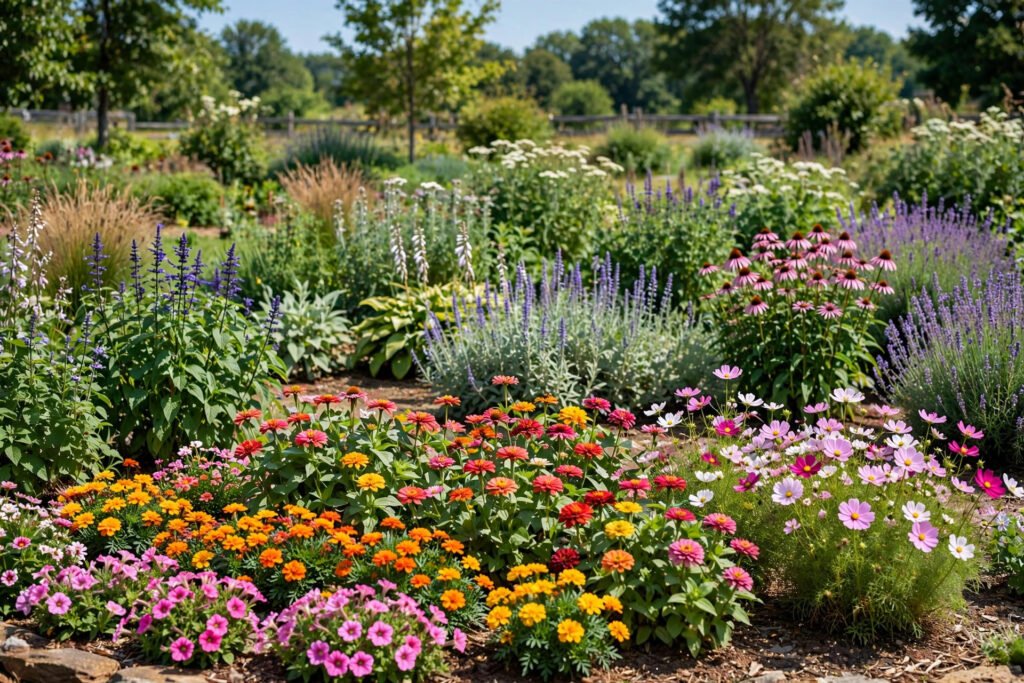
Annuals complete their entire life cycle — seed, grow, flower, set seed, die — in a single growing season. Marigolds, petunias, zinnias, impatiens, basil, and most vegetables are annuals. Their evolutionary strategy: grow fast, reproduce abundantly, die. They pour all their energy into one spectacular season of flowers or fruit.
Perennials live for multiple years, dying back to the ground (herbaceous perennials) or going dormant (woody ones) each winter, then regrowing from established roots each spring. Coneflowers, hostas, daylilies, lavender, peonies, and ornamental grasses are perennials. Their strategy: invest in roots first, build slowly, return reliably.
Biennials (the often-forgotten third category) take two years: foliage the first year, flowers and seeds the second, then die. Foxgloves, hollyhocks, parsley, and carrots are biennials. Many gardeners treat them as short-lived perennials and let them self-seed.
The USDA’s plant resources and New York Botanical Garden guides both emphasize: the label describes the plant’s natural lifespan, not a guarantee — a “perennial” hardy only to Zone 8 will die in a NYC winter and function as an annual here.
Annuals: Instant Gratification, Annual Cost
Advantages: unmatched flower power — annuals bloom continuously all season because flowering is their entire reproductive mission. Instant impact: plant in May, full display by June. Huge variety and low individual cost. Perfect for containers, where their single-season lifespan matches the pot’s annual refresh cycle.
Disadvantages: you rebuy and replant every single year — the cost compounds. They need more water and fertilizer (all that blooming is expensive for the plant). And they leave you with empty beds each fall unless you plan for it.
Best uses: containers and window boxes (their natural habitat), filling gaps between young perennials, seasonal color punches, and anywhere you want maximum flowers fast. In NYC, annuals dominate balcony and rooftop gardens — which is why our beginner indoor garden guide pairs well with annual thinking for small spaces.
Perennials: The Long Game
Advantages: plant once, enjoy for years — the economics flip dramatically after year two. Deep established roots mean less watering, less fertilizing, and better drought tolerance. They build real garden structure and improve soil over time. Many support pollinators across seasons.
Disadvantages: most bloom for only 2–4 weeks per year (they are marathoners, not sprinters). Higher upfront cost per plant. First-year perennials often look underwhelming (“sleep, creep, leap” — they sleep year one, creep year two, leap year three). And they need dividing every few years to stay vigorous.
Best uses: permanent beds, borders, landscaping, pollinator gardens, and anywhere you want a garden that improves with age rather than restarting annually. For NYC’s Zone 7b, outstanding choices include coneflowers, black-eyed Susans, hostas (shade), daylilies, Russian sage, and ornamental grasses — all reliably hardy and low-maintenance.
The Smart Strategy: Combine Them
Experienced gardeners do not choose sides — they layer:
Perennial backbone + annual fillers. Plant perennials for structure and long-term value, then tuck annuals into gaps for first-year color while perennials establish. As perennials mature and fill in, reduce annual purchases — your costs drop yearly while the garden improves.
Succession of bloom. Choose perennials with staggered bloom times (spring bulbs → early summer → late summer → fall asters) so something is always flowering, then add long-blooming annuals to bridge gaps.
Self-seeding annuals. The best of both worlds: annuals like cosmos, calendula, and dill that drop seeds and return yearly without replanting. Let a few go to seed each fall and they naturalize.
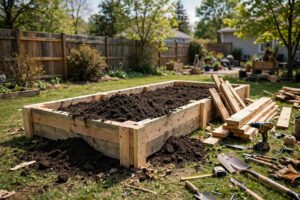
This layered approach also maximizes curb appeal over time — see improving your home’s curb appeal cheaply for how plantings translate to property value. And if you are building the beds to hold all this, our raised garden bed guide has you covered.
Cost Comparison: The 5-Year Math
A 4×8 bed planted entirely in annuals: ~$60–100/year in plants = $300–500 over five years, plus annual labor. The same bed in perennials: ~$150–200 upfront, dividing and expanding free plants after year three = under $250 total over five years, with decreasing labor. Annuals win year one on impact; perennials win everything after on cost, labor, and ecological value. The Old Farmer’s Almanac runs similar comparisons reaching the same conclusion.
NYC-Specific Considerations
Zone 7b gives NYC gardeners a generous perennial palette — but microclimates rule. Rooftops run hotter and windier (choose tough, drought-tolerant perennials); ground-level courtyards may sit colder (verify hardiness). Tender perennials (rosemary, some lavenders, dahlias) need winter protection or indoor storage here — treat them as annuals unless you commit to the extra work. And remember: “perennial” on a label means hardy somewhere — always check the zone rating against NYC’s 7b.
The “Thriller, Filler, Spiller” Method for Combining Both
Container designers use a simple formula that applies the annual/perennial logic perfectly: the thriller (a tall dramatic centerpiece — often a perennial grass or a bold annual like canna), the filler (mounding plants that fill volume — long-blooming annuals excel here), and the spiller (trailing plants softening the edges — sweet potato vine, bacopa, creeping jenny). The method works because it assigns each plant a structural role: perennials or woody plants as the year-to-year backbone thriller, annuals as the seasonal filler color, spillers as the finishing texture. Apply the same thinking to beds: perennial architecture (the bones), annual drifts (the seasonal excitement), and ground-cover spillers knitting it together. When every plant has a job description, the annual/perennial decision stops being philosophical and becomes practical — you are casting a show, not choosing a side.
Conclusion
Annuals are the sprinters — one glorious season of maximum color, replanted yearly. Perennials are the marathoners — slower to establish, then returning stronger for years with less work and cost. The difference is lifespan strategy, and the winning move is combining them: perennial structure for the long game, annuals for instant impact and gap-filling. Understand this distinction and every plant purchase you make becomes intentional instead of hopeful.
Frequently Asked Questions
Do perennials come back every year in NYC?
Hardy perennials rated for Zone 7b or colder reliably return in NYC. Tender perennials (Zone 8+) need winter protection or will die — check zone ratings on every label.
Are vegetables annuals or perennials?
Almost all common vegetables (tomatoes, peppers, beans, lettuce) are annuals, grown for one season. Exceptions: asparagus, rhubarb, artichokes, and herbs like thyme, oregano, and chives are perennials.
Why did my perennials not come back?
Common causes: not hardy for your zone, planted too late in fall to establish roots, winter wetness rotting crowns (poor drainage), or mulch piled on crowns causing rot. Also — some “perennials” are short-lived by nature (3–5 years).
Can I keep annuals alive over winter indoors?
Some, yes — geraniums, coleus, and begonias overwinter well as houseplants. Most bedding annuals (petunias, marigolds) are not worth the effort; compost and replant.
What is the cheapest way to fill a new perennial bed?
Buy small (quarts, not gallons), divide aggressively after year two, trade divisions with neighbors, grow from seed for slow-but-cheap establishment, and fill first-year gaps with self-seeding annuals.