When Should You Plant Tomatoes in New York?
When should you plant tomatoes in New York? Exact timing by region, how to read frost dates, and the transplant tricks that give NYC gardeners the longest season.
Written by admin
Published November 3, 2026
Reading time 6 minutes
Plant tomatoes too early in New York and a late frost kills them overnight. Plant too late and you lose weeks of harvest to the short season. Timing is everything with tomatoes in the Northeast — and it is more nuanced than the seed packet suggests. Here is exactly when to plant tomatoes in New York, how to read your frost dates, and the transplant tricks that squeeze the maximum season out of NYC’s climate.
Know Your Frost Dates
Everything revolves around the last spring frost. For New York City (USDA Zone 7b), the average last frost falls around mid-April — but “average” means half of years see frost later. The safe transplant date for tender warm-season crops like tomatoes is generally 2–3 weeks after the average last frost, when nighttime temperatures reliably stay above 50°F. In practice for NYC: early to mid-May.
Upstate and inland New York run later — Zone 5–6 areas often wait until late May or even early June. Microclimates matter enormously: a sheltered Brooklyn courtyard warms weeks before an exposed rooftop, and urban heat islands give the five boroughs a meaningful head start over surrounding suburbs. The Old Farmer’s Almanac planting calendar lets you look up dates by ZIP code — use it.
The Indoor Head Start: When to Start Seeds
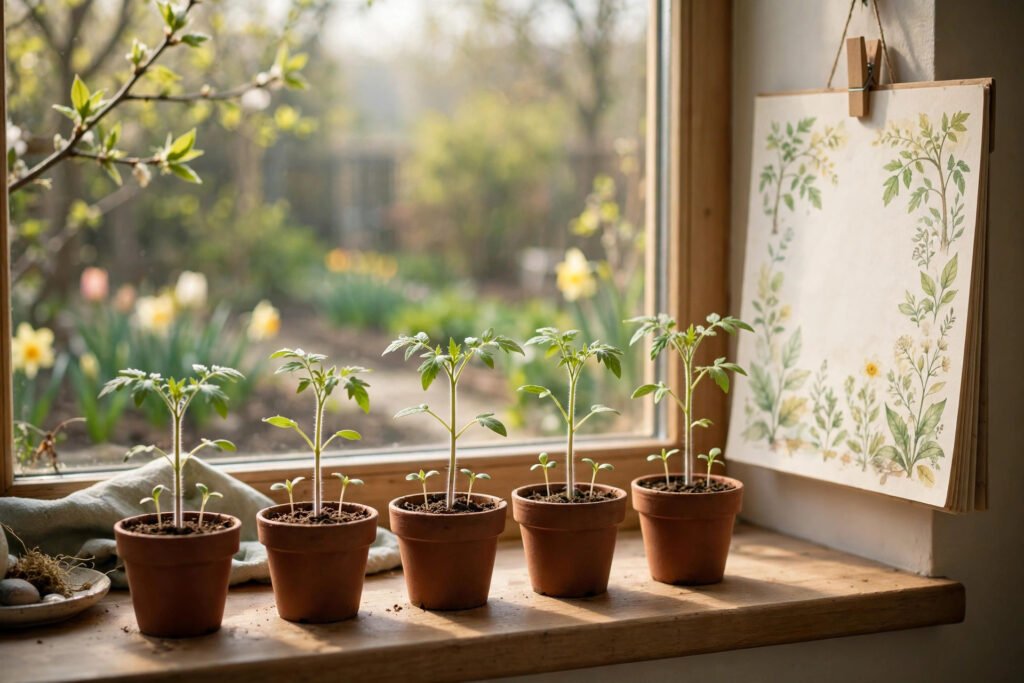
Tomatoes need 6–8 weeks indoors before transplanting. Count backward from your transplant date:
NYC (transplant early–mid May): start seeds indoors mid-to-late March.
Upstate (transplant late May–early June): start seeds early-to-mid April.
Starting too early is a classic mistake — leggy, root-bound seedlings started in February are weaker at transplant than stocky seedlings started at the right time. Give seedlings strong light (a sunny window is rarely enough; a basic grow light 2–3 inches above the plants works far better), keep them at 70–75°F for germination, and run a gentle fan nearby — the air movement produces sturdier stems.
No interest in seed-starting? Buying transplants from nurseries or farmers’ markets in late April/early May is completely respectable — and Cornell’s vegetable guides note that quality transplants often outperform poorly grown seedlings.
Hardening Off: The Step Everyone Skips
Seedlings raised in cozy indoor conditions will go into shock if planted directly outside — sunburn, wind damage, temperature stress. Hardening off acclimates them gradually:
Over 7–10 days before transplanting, place seedlings outside in sheltered shade for 1–2 hours, increasing daily exposure to sun, wind, and time until they handle full days outdoors. Bring them in if nights drop below 50°F. Skipping this step is the number-one cause of transplant failure, and it costs nothing but patience.
Transplanting Tricks for Maximum Season
Plant deep. Unlike most plants, tomatoes grow roots along buried stems. Plant seedlings deep — up to the first true leaves — or trench them sideways in a shallow trench. More buried stem means a bigger root system, which means a stronger, more productive plant.
Warm the soil. Tomatoes sulk in cold soil even when air is warm. Black plastic mulch or dark containers absorb heat and can buy you a week or more of effective season. Wall-o-Water protectors or cloches let you transplant slightly early with frost insurance.
Feed at planting, then back off. Mix balanced slow-release fertilizer into the planting hole, then do not feed heavily until flowering — excess early nitrogen delays fruiting and is one of the most common causes of flower drop later in the season.
Mulch immediately. Two to three inches of straw or shredded leaves after the soil warms conserves moisture, suppresses weeds, and prevents soil-borne disease splash — the trifecta of tomato health.
Succession and Season Extension
One planting is not the only strategy. For continuous harvest:
Stagger varieties: plant an early variety (“Early Girl,” ~55 days), a midseason workhorse, and a late heirloom. Harvests sequence naturally from July through October.
Succession plant cherries: a second round of cherry tomato transplants in late June/early July produces fall fruit when spring plants are exhausted.
Extend fall: when first frost threatens (typically late October/early November in NYC), cover plants with frost cloth for several extra weeks, or pull entire plants and hang them upside down indoors — green tomatoes ripen off the vine over weeks.
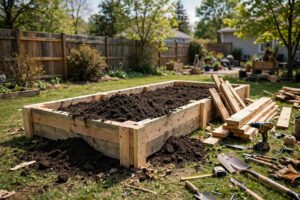
Growing in containers? Our guide to building a simple raised garden bed and the best plants for beginner indoor gardens cover the infrastructure side. And the USDA’s hardiness resources help you fine-tune timing for your exact location.
What If You Planted Late?
Life happens — if it is June and you are just getting started, all is not lost. Choose fast-maturing varieties (under 65 days), buy the largest healthy transplants you can find, and focus on cherries, which fruit fastest. You will harvest from August through frost — a shorter season, but still deeply worthwhile. Even a July planting of cherry tomatoes yields a respectable fall crop in NYC’s long autumn.
Conclusion
When to plant tomatoes in New York: start seeds 6–8 weeks before your safe transplant date (early–mid May in NYC, later upstate), harden off for 7–10 days, plant deep into warm soil, and mulch. Respect the frost dates, stagger your varieties, and extend the fall — and you will harvest from July to November. Timing is the cheapest, highest-impact input in tomato growing. Get it right and everything else gets easier — including having enough tomatoes to justify making pasta sauce from fresh tomatoes by the gallon.
Fall Tomatoes: The Second Season Most Gardeners Miss
Here is the secret experienced NYC gardeners know: spring planting is only half the game. Determinate varieties planted in late June or early July as second-crop transplants produce a full fall harvest — often better than summer’s, because September’s cooler nights are ideal for fruit set (no heat-induced flower drop) and pest pressure declines. Choose fast-maturing varieties (under 70 days), plant into the warmest soil of the year, and protect from early frosts with row covers — NYC’s first frost typically holds off until late October or November, giving fall plantings a real runway. Cherry tomatoes are the stars of fall gardening: fast, reliable, and productive until frost kills them. Many gardeners report their fall cherry harvest rivaling summer’s. The garden does not end in August unless you let it — check the Almanac’s fall planting tables to time it precisely for your exact location.
Can I grow tomatoes indoors over winter?
Technically yes with strong grow lights and dwarf varieties — but it is an enthusiast project, not practical food production. The light requirements are intense and the yields modest. Better: preserve summer’s harvest (sauce, dried, frozen) and start fresh seedlings in March.
Frequently Asked Questions
When is it safe to plant tomatoes outside in NYC?
Early to mid-May, when nighttime temperatures reliably stay above 50°F — roughly 2–3 weeks after the average last frost. Upstate New York waits until late May or early June.
Can I plant tomatoes in April in New York?
Risky. A late frost will kill unprotected transplants. If you must plant early, use Wall-o-Water protectors or cloches and be ready to cover on cold nights.
How late can I plant tomatoes in NYC?
Cherry tomato transplants planted as late as early July still produce a fall crop. For full-size varieties, aim to transplant by early June for reliable harvests.
Should I start tomato seeds indoors or buy transplants?
Both work. Indoor seeding (6–8 weeks before transplant) is cheaper and offers more varieties; nursery transplants save effort and often outperform poorly grown seedlings. Beginners should buy transplants.
What is hardening off and is it necessary?
Gradually acclimating indoor seedlings to outdoor conditions over 7–10 days. Yes, it is necessary — skipping it is the top cause of transplant shock, sunburn, and seedling death.