What to Wear to an NYC Finance Interview (2026)
What should you wear to an interview in NYC finance? The baseline by firm type, details that matter, special situations, and the $400 interview outfit.
Written by admin
Published October 30, 2026
Reading time 6 minutes
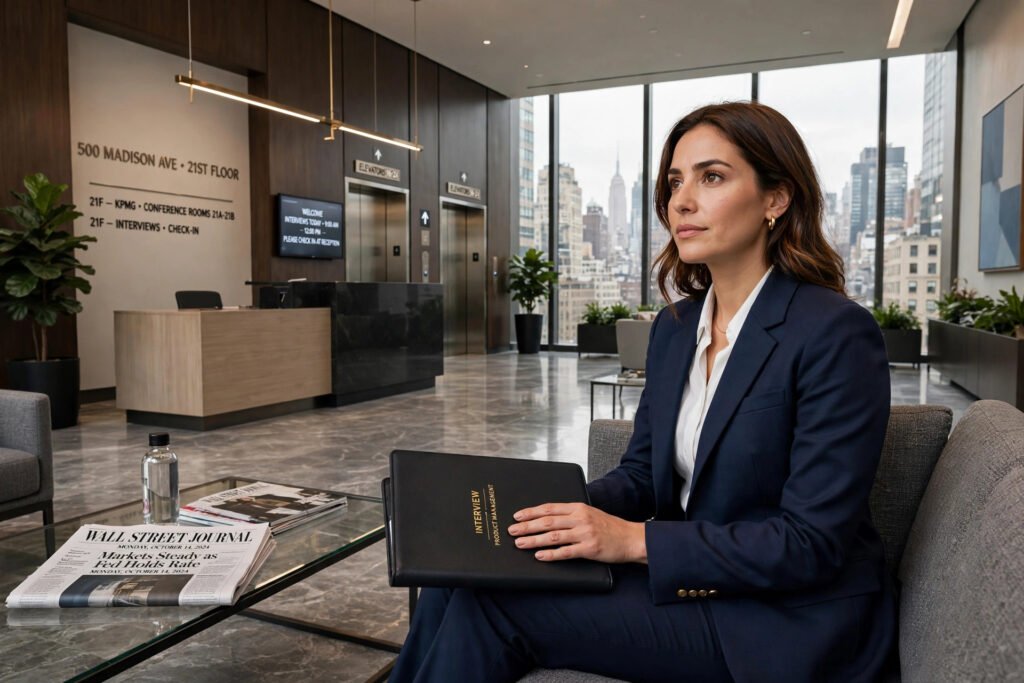
New York City finance has a dress code — unwritten, unforgiving, and different from every other industry in the city. Show up underdressed and you look like you do not understand the culture; show up overdressed and you look like you do not understand the assignment. The rules vary by firm type (bulge-bracket bank versus fintech startup), by role (client-facing versus engineering), and they have relaxed somewhat since 2020 — but “relaxed” in finance still means sharper than most industries’ formal. This guide decodes exactly what to wear to an interview in NYC finance.
The baseline: what “finance interview attire” means in 2026
Men: a well-fitted navy or charcoal suit, white or light-blue dress shirt, conservative tie (silk, subtle pattern — no novelty prints), dark oxford shoes (black or dark brown, polished), matching belt, minimal jewelry (watch is fine). Women: a tailored navy, charcoal, or black suit (pantsuit or skirt suit — both fully accepted), conservative blouse, closed-toe heels or polished flats (moderate height), minimal jewelry, professional bag. The fit matters more than the brand: a $300 suit tailored for $75 looks better than a $1,500 suit off the rack. Get the jacket sleeves, trouser break, and waist suppression adjusted — tailoring is the highest-ROI clothing spend in existence. If you are building a professional wardrobe from zero, our guide to building a professional wardrobe from scratch covers the foundation pieces in priority order. (For creative-industry interviews, the rules invert — see what to wear to a creative-field interview.)
Adjusting by firm type (this is where people go wrong)
Bulge-bracket banks & traditional asset managers (Goldman, JPMorgan, BlackRock): full traditional — suit and tie for men, suit for women. No exceptions for first interviews. These firms still run formal cultures; dressing down signals you did not do your homework.
Mid-size firms, boutique banks, insurance: suit without tie is often acceptable for men (jacket + dress shirt, no tie); women: blazer + blouse + trousers or a dress with a blazer. When in doubt, wear the tie — you can remove it, but you cannot add one you did not bring.
Fintech, quant funds, and tech-adjacent finance: business casual is the norm — dress shirt and chinos or dark jeans with a blazer for men; blouse and trousers or a smart dress for women. But for the interview, go one level above the daily norm: blazer minimum. Interviewing is not a regular day.
The universal rule: dress one level above what employees wear daily. Research the firm’s culture (LinkedIn photos, Glassdoor, employee social media), then aim slightly above it. The BLS occupational outlook for business and financial roles shows which finance occupations are growing — useful context for where you are interviewing. Overdressed by one level reads as respectful; underdressed by one level reads as clueless.
The details that make or break it
Grooming: clean, conservative — fresh haircut (within the last 2 weeks), trimmed nails, minimal fragrance (one spray max, or none — interview rooms are small and allergies are real). Shoes: interviewers notice shoes disproportionately — polished, no scuffs, no sneakers, no matter how expensive the sneakers. The bag: a professional briefcase, portfolio, or structured tote — not a backpack (even a nice one) for traditional firms. Bring copies of your resume in the portfolio. What NOT to wear: anything flashy (you want them remembering your answers, not your pocket square), strong cologne/perfume, visible brand logos, wrinkled anything (steam the suit the night before), and new-unbroken-in shoes (blisters limp through interviews). Weather planning: NYC interviews mean commuting in the outfit — check the forecast, carry the jacket if rain threatens, and arrive 10 minutes early to compose yourself in the lobby. Looking polished but comfortable at work daily is a separate skill — staying stylish while comfortable at work covers the day-to-day version once you land the job.
Special situations
Superday (multiple back-to-back interviews): the full suit, all day — comfort matters, so choose the broken-in shoes and breathable shirt. Bring mints, a phone charger, and water. Virtual interviews: dress fully (at least waist-up impeccably — but dress fully anyway; standing up unexpectedly in pajama pants is a career anecdote you do not want). Solid colors on camera; check your background. Summer interviews: NYC summers are brutal — lightweight wool suits, arrive early to cool down, carry a handkerchief. Sweating through a suit in the lobby undermines the entire effort. Second/third rounds: match the first round’s formality — do not dress down because it “went well.” Diversity of body types: tailoring matters even more — a good tailor makes any body look sharp in a suit. Budget $75–$150 for alterations; it is non-negotiable for the interview suit.
Budget: looking the part without the price tag
You do not need a $2,000 suit. The $400 interview outfit: SuitSupply or J.Crew suit on sale ($250–$300), tailored ($75), thrifted or sale dress shirt ($30), simple tie ($25), polished existing dress shoes. Women’s equivalent: J.Crew/Massimo Dutti suiting separates on sale, tailored, simple blouse, existing closed-toe shoes. Rentals: services like Rent the Runway cover interview suiting for a fraction of purchase. The priority order: fit (tailoring) > shoes > suit quality > accessories. A perfectly fitted affordable suit beats an ill-fitting expensive one every single time — interviewers process fit subconsciously in the first seven seconds. For the interview itself, SHRM’s workplace research covers what hiring managers actually evaluate beyond the outfit.
The week-before preparation
Do not leave the outfit to interview morning. A week out: try on the full outfit (suit, shirt, tie, shoes) and check fit, stains, and missing buttons. Three days out: get the tailoring done if needed and steam everything. The night before: lay out the complete outfit, polish shoes, pack your portfolio with resume copies, and check the weather for outerwear decisions. Morning-of should involve zero decisions — just dressing and leaving with time to spare.
Conclusion
What to wear to an NYC finance interview: a well-fitted navy or charcoal suit, conservative shirt and tie (men) or suit and blouse (women), polished shoes, minimal accessories — adjusted one level above the specific firm’s daily culture. Fit beats brand, grooming beats flash, and overdressed beats underdressed. The outfit’s job is to disappear — to signal “I understand this world” so completely that the interviewer forgets what you are wearing and remembers what you said. Dress for the job, then let your answers do the talking.
Frequently Asked Questions
Do I need to wear a suit to a finance interview in NYC?
For traditional banks and asset managers: yes, absolutely. For fintech and quant firms: business formal (blazer minimum) for the interview, even if daily dress is casual. When in doubt, wear the suit.
Can I wear a tie to a finance interview?
Yes — for traditional finance, a conservative silk tie is expected for men. For business-casual firms, bring one and gauge the room; you can remove it, but you cannot add one.
What should women wear to a finance interview?
A tailored navy, charcoal, or black pantsuit or skirt suit with a conservative blouse, closed-toe shoes, and minimal jewelry. Both pantsuits and skirt suits are fully accepted in NYC finance.
How much should I spend on an interview suit?
$300–$500 total including tailoring buys a sharp interview outfit. Prioritize fit (tailoring, $75–$150) over brand — a fitted affordable suit outperforms an unfitted expensive one.
What should I avoid wearing to a finance interview?
Anything casual (jeans, sneakers, polo shirts), flashy accessories, strong fragrance, wrinkled clothing, and new shoes that might cause blisters. When in doubt, more conservative wins.