How Often to Water New Sod? Complete Answer
How often to water new sod? Water 1-2 times daily for the first two weeks, then taper over weeks 3-6. Full schedule, best timing, and mistakes to avoid.
Written by admin
Published November 1, 2026
Reading time 5 minutes
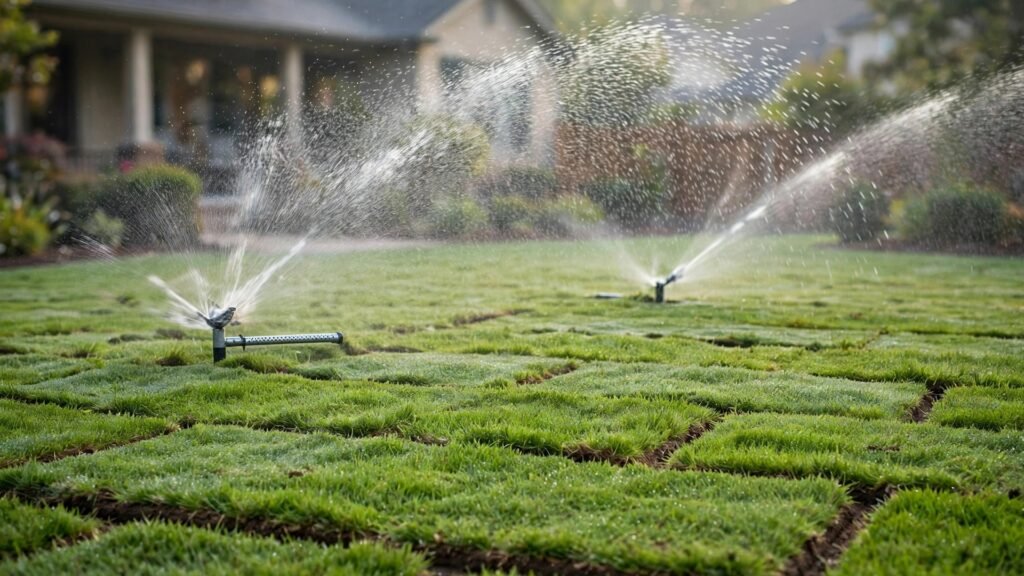
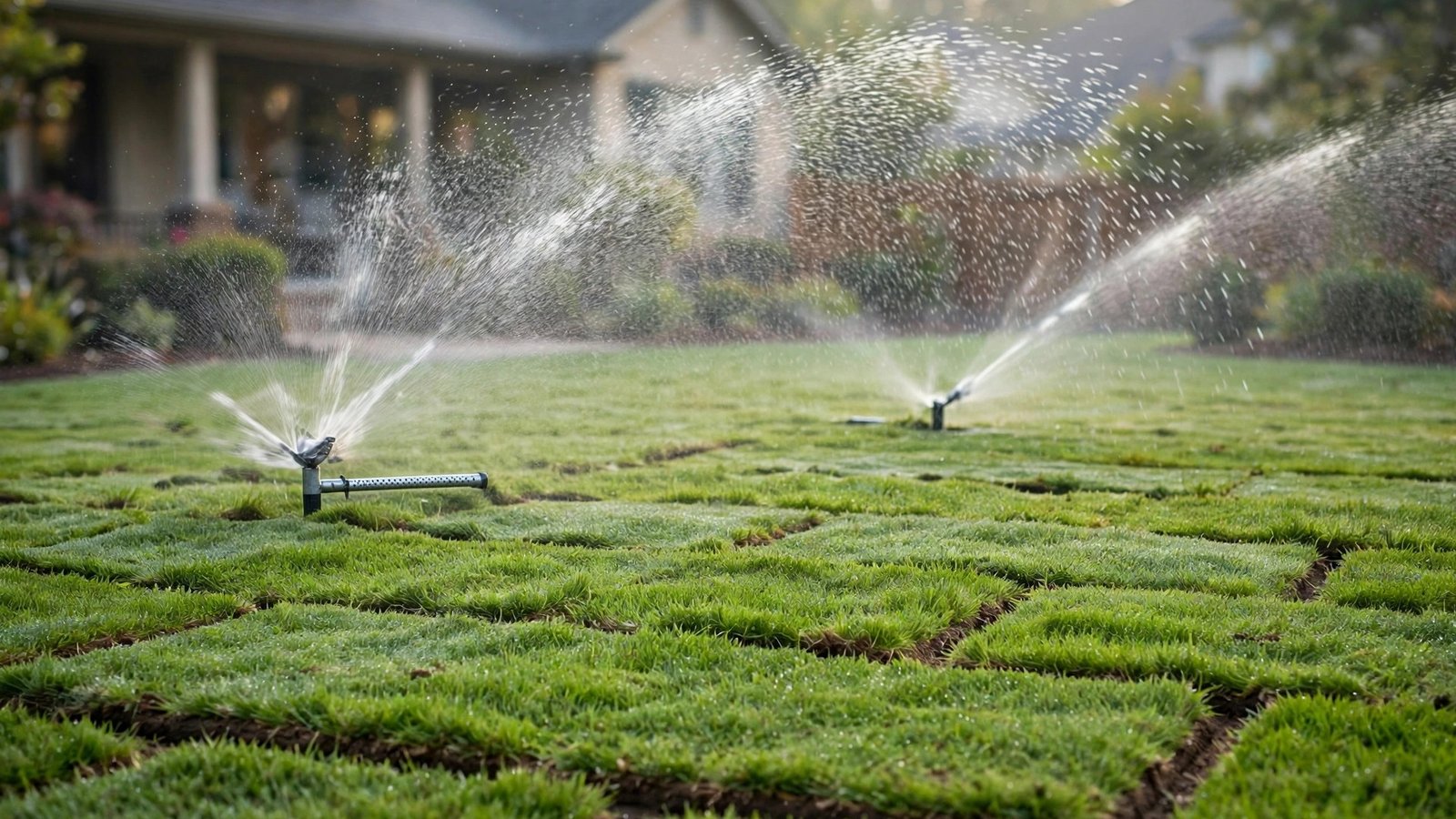
How Often to Water New Sod? Complete Answer
The direct answer: water new sod 1–2 times per day for the first 1–2 weeks, keeping the sod and the top 1 inch of soil underneath consistently moist (not soggy). After the sod starts rooting — usually around week 2–3 — taper to once daily, then to deep watering 2–3 times per week by weeks 4–6. After about 6 weeks, treat it like an established lawn. Underwatering is the #1 reason new sod dies, so when in doubt, water more in those first two weeks.
New sod is essentially a transplant patient: its roots were severed at the farm, and it has no connection to your soil yet. Water is what keeps it alive while new roots grow down. Get the watering right and you’ll have a lush lawn in two months; get it wrong and you’ll have expensive brown rectangles. Here’s the complete schedule.
New Sod Watering Schedule: Week by Week
Days 1–14: Establishment Phase (Most Critical)
Water 1–2 times daily — morning and, in hot weather, again in the early afternoon. The goal: keep the sod pads and the top inch of underlying soil moist at all times. Each watering should soak through the sod into the soil below.
- Morning watering (essential): Water between 5–10 AM so the grass dries before nightfall, reducing disease risk.
- Afternoon watering (when needed): In heat above 80°F, add a second, lighter watering around 1–3 PM to prevent wilting. In the NYC area’s humid summers, morning plus a light afternoon session is the standard.
- How much: Roughly 0.5–1 inch of water per day total across sessions. Use the tuna-can test: place empty cans on the lawn and measure.
- Check underneath: Peel back a corner of a sod pad. The soil beneath should be damp, not dry and not muddy.
Weeks 3–4: Rooting Phase
Reduce to once daily, watering more deeply (about 1 inch) to encourage roots to grow downward. Test rooting with the tug test: gently pull up a corner of sod. If you feel resistance, roots are anchoring — you’re on track. If it lifts easily, keep up the frequent watering a bit longer.
Weeks 5–6: Transition Phase
Water 2–3 times per week, deeply (1–1.5 inches per session). Start skipping days deliberately — mild stress between waterings forces roots deeper, building a drought-tolerant lawn.
Week 7+: Established Lawn
Switch to a normal lawn schedule: about 1–1.5 inches of water per week, delivered in 1–2 deep sessions. Deep, infrequent watering is the goal from here on.
Best Time of Day to Water New Sod
Early morning (5–10 AM) is always best. Water pressure is highest, evaporation is lowest, and the grass blades dry during the day, which prevents fungal disease. Evening watering leaves the lawn wet overnight — an invitation for fungus, especially in humid climates. If you must water a second time on hot days, do it in the early afternoon, not the evening.
Signs You’re Watering Too Much or Too Little
Too little water (the common killer): Sod edges curl and turn brown, footprints stay visible on the grass, the pads shrink and gaps appear between them, and the sod feels crunchy. Fix: increase frequency immediately — new sod can die within 48 hours of drying out in summer heat.
Too much water: Soggy, spongy ground; a sour or rotten smell; yellowing grass; algae or mushrooms appearing. Fix: cut back to once daily and let the surface dry slightly between waterings. Slightly-too-wet is far less dangerous than too dry, but persistent sogginess suffocates new roots.
Special Situations
- Sod laid in summer heat: You may need 2–3 light waterings daily for the first week. Consider laying sod in early fall instead — cooler temps and autumn rain make establishment far easier.
- Sloped areas: Water in short cycles (10 minutes on, 30 minutes off) to prevent runoff. The water needs time to soak in.
- Shady areas: Need less water than full-sun sections. Check moisture separately — one schedule doesn’t fit the whole yard.
- Rain: A good soaking rain counts as a watering. But don’t assume a light drizzle did the job — check under the sod.
- New sod over clay soil (common in parts of the NYC metro area): water slowly to avoid pooling, and consider shorter, more frequent sessions until roots penetrate.
When Can I Mow New Sod?
Usually 10–14 days after installation, once the sod resists the tug test. Mow high — set the blade to 3–3.5 inches — and never remove more than one-third of the blade height in a single mow. Make sure the mower doesn’t tear up unrooted edges; if it does, wait a few more days.
Common Mistakes to Avoid
- Waiting until evening to water for the first time after installation. Sod should be watered within 30 minutes of being laid — ideally the installer waters as they go.
- Watering on a timer without checking. Timers are great, but verify with the peel-back test, especially in week one.
- Letting the sod dry out “just for a day.” In summer heat, one missed day can kill fresh sod.
- Fertilizing too early. Wait 4–6 weeks, then use a starter-friendly fertilizer. Fertilizing stressed, unrooted sod burns it.
- Walking on it excessively. Limit foot traffic for the first 2–3 weeks while roots establish.
FAQs
How long should I water new sod each time?
Typically 15–30 minutes per zone with standard sprinklers, enough to deliver about 0.5 inch of water. Use the tuna-can method to calibrate your specific sprinklers rather than guessing.
Can you overwater new sod?
Yes, but it’s much harder to do than underwatering. Soggy, foul-smelling soil and yellowing grass signal excess water. In the first two weeks, err on the side of more water — the risk of drying out is far greater.
Should I water new sod at night?
Avoid it. Night watering keeps grass wet for hours and promotes fungal disease. Morning is best; early afternoon is the acceptable backup on hot days.
How do I know when my sod is established?
The tug test: if you can’t easily lift the sod corners after 2–3 weeks, roots have anchored. Full establishment — roots several inches deep — takes about 6 weeks.
What if my new sod is turning brown?
Brown edges or patches in the first two weeks almost always mean underwatering — increase frequency immediately and check that sprinklers cover every area. If the whole lawn is uniformly brown and mushy, it may be overwatered or diseased; pull back on water and consult a local extension service.
The bottom line: water 1–2 times daily for the first two weeks, taper over weeks 3–6, and always water in the morning. New sod is thirsty, fragile, and expensive — but with the right watering schedule, it rewards you with a lawn that looks like it took years to grow.