
Getting told your cholesterol is high can feel like a verdict — but here’s what your doctor might not emphasize in a rushed appointment: lifestyle changes can lower LDL cholesterol by 15-30% in many people, which is genuinely comparable to a low-dose statin. How can I lower my cholesterol naturally? Not with miracle foods or cleanses, but with a handful of boring, well-proven strategies that compound over a few months.
First, Know Your Numbers
“High cholesterol” is vague. What matters is the breakdown: LDL (the “bad” cholesterol that clogs arteries), HDL (the “good” kind that helps clear it), triglycerides, and total cholesterol. The thresholds most doctors use:
- LDL: optimal below 100 mg/dL; 130-159 is borderline high; 160+ is high
- HDL: 60+ is protective; below 40 (men) or 50 (women) is a risk factor
- Triglycerides: below 150 is normal; these respond fastest to cutting sugar and alcohol
Get a baseline lipid panel, make changes for three months, and retest. That feedback loop is motivating in a way vague advice never is. And an important note: if your LDL is very high (190+) or you have heart disease, lifestyle changes complement medication — they don’t replace it. Don’t stop prescribed drugs without talking to your doctor.
8 Natural Strategies That Actually Move Numbers
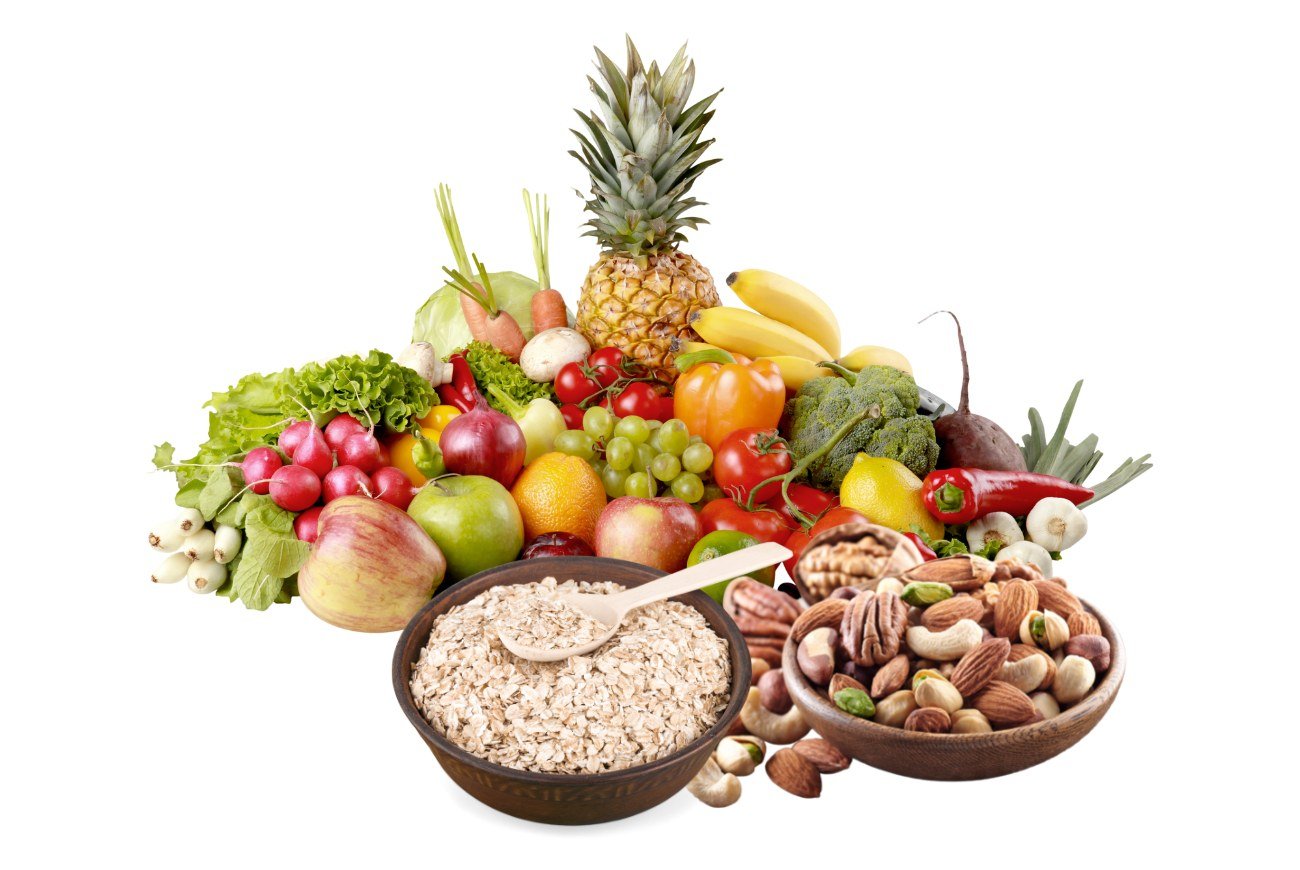
1. Eat soluble fiber daily. This is the single most underrated cholesterol tool. Soluble fiber binds cholesterol in your gut and carries it out. Oats, beans, lentils, apples, and Brussels sprouts are the all-stars. Just 5-10 grams of soluble fiber daily can lower LDL by about 5%. A bowl of oatmeal with an apple at breakfast gets you most of the way there.
2. Swap saturated fats for unsaturated. You don’t need to fear all fat — you need to trade the bad for the good. Cook with olive oil instead of butter, snack on almonds instead of cheese, choose fatty fish over ribeye. The National Heart, Lung, and Blood Institute identifies this swap as one of the highest-impact dietary changes for LDL.
3. Add plant sterols. These compounds, found in nuts, seeds, and fortified foods, block cholesterol absorption in the intestines. About 2 grams daily can lower LDL by 5-15%. A handful of pistachios or almonds plus a sterol-fortified orange juice makes this easy.
4. Eat fatty fish twice a week. Salmon, sardines, and mackerel won’t dramatically lower LDL, but their omega-3s slash triglycerides and reduce inflammation — both critical for actual heart risk. Not a fish person? Walnuts and flaxseed offer the plant-based version.
5. Exercise consistently. Aerobic exercise raises HDL and lowers triglycerides; it has a modest direct effect on LDL but improves the overall picture significantly. Walking 30 minutes a day is enough to start seeing lipid improvements within weeks.
6. Lose even a little weight. Dropping 5-10% of body weight — 10-20 pounds for many people — can lower LDL noticeably and triglycerides dramatically. You don’t need to get lean; you need to get lighter than you are now.
7. Cut the worst offenders. Processed meats, deep-fried foods, pastries, and sugary drinks hit cholesterol from multiple angles. Our guide to foods to avoid for better heart health covers the full hit list.
8. Quit smoking and moderate alcohol. Smoking tanks HDL; quitting raises it within weeks. Heavy drinking spikes triglycerides. Both changes pay off fast.
What About Supplements?
Honest assessment: most cholesterol supplements are underwhelming. Red yeast rice contains a natural statin-like compound and does lower LDL — but it’s essentially an unregulated drug with the same potential side effects as statins, so treat it with the same respect. Psyllium husk (soluble fiber in a glass) is the exception I’d actually recommend: cheap, safe, and effective. Garlic, fish oil capsules, and niacin have modest or mixed evidence. Save your money for better groceries.
Track What Matters
Cholesterol responds slowly — think months, not days. That’s actually good news: it means the changes stick. Keep a simple log of the habits (fiber at breakfast, walks, fish twice weekly), not just the numbers. And remember that cholesterol is one piece of cardiovascular risk. Blood pressure matters equally, so if you haven’t checked yours lately, read how to know if you have high blood pressure — the two conditions share nearly all the same fixes.
How Can I Lower My Cholesterol Naturally? Your Questions Answered
How quickly can lifestyle changes lower cholesterol?
Expect meaningful movement in 6-12 weeks, with full effect around 3-6 months. Soluble fiber and dietary changes start shifting LDL within weeks; exercise effects on HDL and triglycerides show up in a similar window. Weight loss amplifies everything but takes longer. This is why doctors recheck lipids after about three months of lifestyle change — it’s enough time to see your personal response. If your numbers barely budge after 3-6 months of genuine effort, that tells you something important too: genetics may be driving your cholesterol more than lifestyle, and medication might be the appropriate tool. That’s not failure; it’s information.
Do eggs raise cholesterol enough to worry about?
For most people, no — dietary cholesterol has a surprisingly modest effect on blood cholesterol compared to saturated fat. Studies consistently show that up to an egg a day doesn’t meaningfully raise heart risk in healthy people. What raises LDL far more effectively is the company eggs often keep: bacon, sausage, butter-fried hash browns. If your cholesterol is high, look at your saturated fat intake (fatty meats, full-fat dairy, pastries, fried foods) before blaming the eggs. That said, people with diabetes or existing heart disease should discuss egg intake with their doctor, as the relationship looks different in those groups.
Can stress raise cholesterol?
Indirectly, yes — and it’s an underappreciated factor. Chronic stress raises cortisol, which can increase LDL and triglycerides over time. But the bigger mechanism is behavioral: stressed people sleep worse, exercise less, eat more comfort food, and drink more alcohol — all of which hammer lipid profiles. Managing stress isn’t just wellness fluff; it’s a legitimate cholesterol strategy. Even 20 minutes of daily walking addresses both the stress and the lipids simultaneously.
The Bottom Line
Lowering cholesterol naturally is straightforward: soluble fiber every day, better fats, regular movement, a little less weight, and fewer processed foods. None of it is exotic. Give it three consistent months, retest, and let the numbers convince you. For many people, that’s all it takes to get back into the healthy range — no prescription required.


