
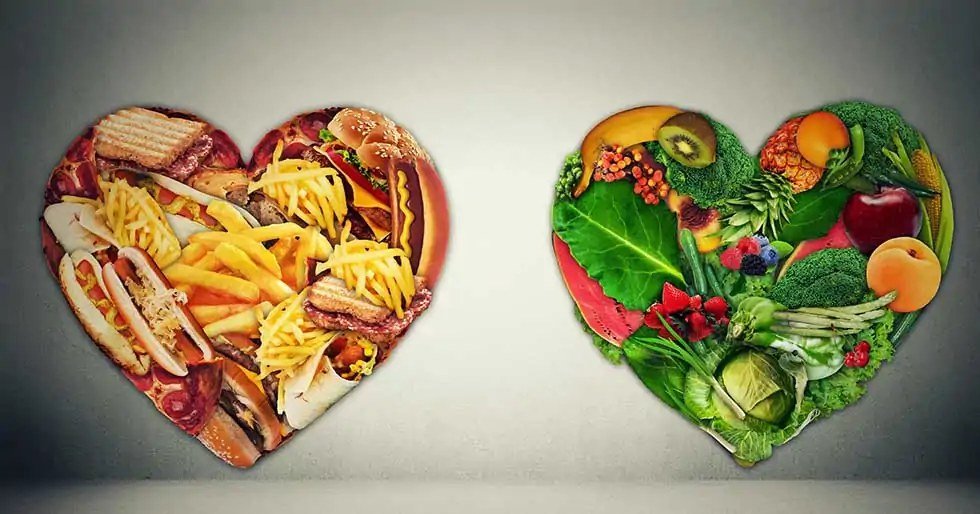
When it comes to heart health, what you don’t eat matters as much as what you do. And here’s the encouraging part: you don’t need a perfect diet. Research consistently shows that cutting back on a handful of the worst offenders moves the needle more than chasing superfoods. So what foods should I avoid for better heart health? Let’s go through the real culprits — not the overhyped ones — and what to eat instead.
The Big Three: Sodium, Added Sugar, and Bad Fats
Nearly every heart-harmful food falls into one of three buckets. Understanding the buckets helps you evaluate any food, not just the ones on this list.
Excess sodium raises blood pressure in salt-sensitive people — and about a third of us are. The average American eats over 3,400 mg daily; the recommended limit is 2,300 mg, ideally closer to 1,500 mg for those with hypertension. The catch: most sodium doesn’t come from your salt shaker. It comes from processed food.
Added sugars drive weight gain, raise triglycerides, and increase heart disease risk independent of weight. Sugary drinks are the worst delivery system — liquid calories don’t satisfy hunger, so you just add them on top of everything else.
Trans fats and excess saturated fat raise LDL (“bad”) cholesterol. Artificial trans fats are now largely banned in the US, which was a genuine public health win, but saturated fat from processed meats and fried foods remains overconsumed.
12 Foods Worth Cutting Back
- 1. Processed meats (bacon, sausage, hot dogs, deli meats) — high in sodium, saturated fat, and preservatives linked to heart disease. Swap: roasted turkey breast or grilled chicken you cook yourself.
- 2. Sugary drinks (soda, sweet tea, energy drinks, fancy coffee drinks) — the single biggest source of added sugar in American diets. Swap: sparkling water with lemon, or unsweetened iced tea.
- 3. Deep-fried foods (fries, fried chicken, mozzarella sticks) — calorie-dense, often cooked in oils high in unhealthy fats, and usually salt-bombs. Swap: oven-“fried” versions with a light oil mist; genuinely crispy.
- 4. Pastries and doughnuts — the triple threat of refined flour, sugar, and unhealthy fats. Swap: oatmeal with berries when the sweet craving hits.
- 5. Full-fat processed cheese products — cheese slices, spray cheese, queso dips pack saturated fat and sodium. Swap: small amounts of real cheese (parmesan, feta) used as flavor, not the main event.
- 6. Fast-food burgers — a single combo meal can deliver a full day’s sodium and saturated fat. Swap: homemade burgers with lean beef or turkey on whole-grain buns.
- 7. Frozen pizza — convenient and typically loaded with sodium (700-1,000+ mg per serving). Swap: homemade pizza on a thin whole-wheat crust; faster than delivery once you practice.
- 8. Candy and milk chocolate — pure added sugar with no nutritional company. Swap: dark chocolate (70%+) in small portions — the flavonoids are a legitimate bonus.
- 9. White bread and refined baked goods — spike blood sugar and offer little fiber. Swap: genuine whole-grain breads (check that “whole grain” is the first ingredient).
- 10. Creamy dressings and dips — ranch and similar can add 150+ calories and a day’s saturated fat to a healthy salad. Swap: olive oil and vinegar, or yogurt-based dressings.
- 11. Flavored yogurts — some have as much sugar as ice cream. Swap: plain Greek yogurt with fresh fruit; you control the sweetness.
- 12. Alcohol in excess — heavy drinking raises blood pressure and triglycerides. If you’re unsure about your intake, read how to know if you’re drinking too much.
What About Eggs, Butter, and Red Meat?
Honest answer: the science has softened on all three. Eggs — once vilified — look fine for most people at about one a day; see our full take on whether it’s healthy to eat eggs every day. Butter in small amounts isn’t the villain it was portrayed as, though olive oil is still the better default — our guide to the healthiest cooking oil breaks down why. Unprocessed red meat a few times a week is very different from daily bacon. Context and quantity matter more than any single food’s reputation.
The pattern that consistently wins in research is the Mediterranean-style diet: vegetables, fruits, whole grains, legumes, nuts, olive oil, and fish. The American Heart Association endorses this pattern, and it’s less a “diet” than a way of eating you can actually sustain.
Make Swaps, Not Sacrifices
The all-or-nothing approach fails because it makes food miserable. What works: pick the two or three items from the list above that you eat most often and swap those first. Soda drinker? That’s your highest-impact change — one swap, massive sugar reduction. Daily fast-food lunch? Meal-prepping twice a week cuts it in half.
Pair dietary changes with the other half of the equation: learning how to lower your cholesterol naturally covers the exercise, weight, and lifestyle factors that multiply what diet alone achieves.
What Foods Should I Avoid for Better Heart Health? Your Questions Answered
Is red meat really bad for your heart?
The dose and type matter enormously. Processed red meat (bacon, sausage, hot dogs, deli meats) has the strongest, most consistent link to heart disease — the sodium, preservatives, and saturated fat combine badly. Unprocessed red meat (a steak, a burger from plain ground beef) shows a much weaker association, and moderate consumption (a few times weekly) looks acceptable for most people in the research. The practical takeaway: treat processed meats as the real target, keep unprocessed red meat moderate, and favor fish, poultry, and plant proteins most days. Context beats blanket bans.
What about coconut oil — is it heart-healthy?
Despite the marketing, coconut oil is about 90% saturated fat — more than butter. It does raise HDL (“good” cholesterol), which fueled the health claims, but it also raises LDL (“bad” cholesterol), which is the number that drives heart risk. Major heart organizations don’t recommend it as a health food. For everyday cooking, olive oil has far stronger evidence for heart benefits. Coconut oil isn’t poison — it’s fine occasionally for flavor in curries — but as a daily cooking fat, it’s one of the weaker choices masquerading as a healthy one.
The Bottom Line
Better heart health doesn’t require a perfect diet — it requires cutting back on processed meats, sugary drinks, fried foods, and the other usual suspects, while building meals around whole foods most of the time. Start with your biggest offender, swap it for something you genuinely enjoy, and let the habit compound. Your heart responds to patterns, not perfection.


