
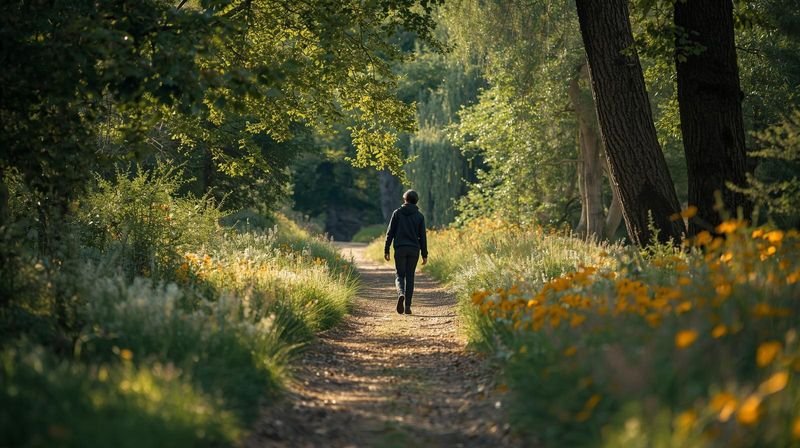
It sounds too simple to matter. Can walking 30 minutes a day improve your health? The research answer is an emphatic yes — walking is the most underrated exercise in existence, with benefits so broad that if it came in pill form, it would be the best-selling drug in history. Here’s what 30 daily minutes actually do.
Can Walking 30 Minutes a Day Improve My Health? What Research Shows
Brisk walking 30 minutes daily (meeting the CDC’s activity guidelines core) is associated with: ~35% lower cardiovascular disease risk, significantly reduced type 2 diabetes risk, lower blood pressure, improved cholesterol profiles, better immune function, reduced anxiety and depression symptoms, better sleep quality, and — the headline — longer life. One famous analysis found walking pace itself predicts longevity: brisk walkers outlive slow walkers regardless of weight.
The mental health effects deserve emphasis: walking — especially outdoors — measurably reduces rumination, cortisol, and anxiety. It’s stress relief and moving meditation disguised as transportation. The creativity boost is real too: Stanford research found walking increases creative output ~60%. Your best thinking might happen on foot.
Why Walking Beats “Real” Exercise (for Most People)
Not physiologically — running and lifting do more per minute. But on the metric that matters (what you’ll actually do for decades), walking dominates: zero learning curve, no gym, no special clothes, joint-friendly at any weight, doable in any weather with a jacket, and easy to stack with life — calls, podcasts, thinking, companionship. The best exercise is the one that survives your schedule, and walking survives everything.
It’s also the perfect foundation: beginners starting exercise, future runners, and back pain sufferers all start here. Walking builds the aerobic base and the habit that harder training requires.
Making 30 Minutes Happen
- Split it: Three 10-minute walks give nearly all the benefit of one 30-minute walk. Lunch walk + evening walk = done.
- Make it brisk: You should be slightly breathless but able to talk — that’s “moderate intensity,” where the benefits live. Strolling is pleasant; brisk is medicinal.
- Stack it: Walk during calls, walk after meals (10 minutes post-meal notably blunts blood sugar spikes), walk the commute’s last mile.
- Track it: A simple step goal (7,000-10,000) gamifies the habit. The research sweet spot for mortality benefit is around 7,000-8,000 daily steps — the 10,000 number was a marketing invention, but it’s a fine target.
- Protect it: Same time daily turns it from decision to routine. Morning walkers are the most consistent.
Walking Gear: What You Actually Need (Short List)
Walking’s beauty is minimalism — but a few things genuinely matter.
Shoes: the one thing worth getting right. Not running shoes necessarily — walking shoes or comfortable trainers with good arch support and cushioning. Replace when the tread wears or cushioning dies (typically 300-500 miles; your knees will tell you). Get fitted at a store if you have foot issues — plantar fasciitis, bunions, and flat feet all have shoe solutions that transform walking from painful to pleasant.
Socks matter more than you’d think. Moisture-wicking athletic socks prevent the blisters that kill walking habits. Cotton socks + sweat = blister factory. A $12 pack of proper socks is absurdly high-ROI.
Weather gear: The “no bad weather, only bad clothing” principle. A decent rain shell, layers for cold, a hat for sun. The walkers who quit in November quit over clothing, not willpower. Dress for the walk and winter becomes fine — many walkers prefer it.
Optional but nice: A simple step tracker (phone works; a cheap band is fine — don’t overthink it), a walking vest or belt for keys/phone on longer walks, trekking poles if you have knee issues or want upper-body engagement (Nordic walking burns ~20% more calories and is genuinely easier on joints).
What you don’t need: Special walking programs, expensive GPS watches, compression gear, “toning” shoes (debunked marketing). The gear list for the world’s best exercise fits in a paragraph — that’s rather the point. Good shoes, good socks, weather-appropriate layers. Everything else is optimization for a habit that works fine without it. Spend the money you saved on experiences to walk to.
Walking FAQs
Is walking enough exercise on its own?
For cardiovascular and metabolic health: largely yes, if brisk and consistent. What’s missing: muscle strengthening (add 2x weekly bodyweight work — [[i:146|the beginner routine]]) and bone-loading intensity. Walking + basic strength covers the evidence-based essentials completely. It’s not “just” walking; it’s the foundation.
Does walking help with weight loss?
Yes, as part of the equation — a 30-minute brisk walk burns ~150-200 calories, and daily walking adds up to meaningful expenditure over months. But diet dominates weight loss ([[i:151|the full picture]]); walking’s weight-loss superpower is that it’s sustainable — the calorie burn you maintain for years beats the intense burn you quit in March.
What’s a good daily step goal?
7,000-8,000 steps captures most of the mortality benefit in research; 10,000 is fine but the extra benefit plateaus. Sedentary baseline is ~3,000-4,000. The practical advice: whatever your current average, add 2,000. Small sustainable increases beat ambitious targets abandoned in a week.
Leveling Up (When You’re Ready)
Once 30 minutes feels easy: add hills or intervals (1 minute fast, 2 minutes easy), extend to 45-60 minutes on weekends, add a weighted vest or rucksack for strength stimulus, or let walking become your gateway to a fuller weekly routine with strength training. But never despise the simple version — the person walking 30 minutes daily for 20 years will be healthier than the person who did intense programs in bursts. Consistency compounds. The humble walk, done daily, is genuinely one of the most powerful health interventions available. Put on shoes. Go.
Walking With Others: The Multiplier
Walking alone is excellent; walking with others is transformative. The social walk combines exercise, connection, and conversation — three health interventions in one time slot. Walking meetings (Steve Jobs’ famous habit) produce better thinking than conference rooms. Walking with a friend beats coffee for catching up — side-by-side conversation flows easier than face-to-face. And accountability: the walking partner expecting you at 7am is the most reliable fitness technology ever invented. Recruit one. The miles pass faster, the habit sticks longer, and the friendship deepens. Three wins, zero cost.


