How Long is NP School? Complete Answer
NP school — nurse practitioner school — takes 2 to 4 years full-time after your nursing prerequisites, depending on the pathway. The most common route, BSN to MSN, takes about 2 years; BSN to DNP takes 3 to 4 years. If you are starting from scratch with no nursing background, the full journey from zero to licensed NP typically takes 6 to 8 years, including your RN education.
NP School Length by Pathway
Your timeline depends entirely on where you are starting:
- BSN to MSN (Master of Science in Nursing): 2 years full-time, 3–4 years part-time. This is the traditional and most common NP pathway.
- BSN to DNP (Doctor of Nursing Practice): 3 to 4 years full-time. The DNP is increasingly becoming the preferred — and in some programs, required — entry degree for NPs.
- RN to BSN bridge, then NP: 1–2 years for the BSN bridge plus 2–4 years for the NP degree. Common for associate-degree RNs.
- Direct-entry MSN (for non-nurses): 3 to 4 years total. Designed for people with a bachelor’s degree in another field; the first portion covers RN training, the second covers NP training.
- Post-master’s certificate: 1 to 2 years. For nurses who already hold an MSN and want to add NP certification in a new specialty.
Full-Time vs. Part-Time: How It Changes the Timeline
Full-time NP programs are intense — expect 12+ credit hours per semester plus clinical rotations. Most working RNs choose part-time or hybrid programs, which stretch a 2-year MSN into 3 or 4 years. There is no shame in the slower route: many students work full-time as RNs while studying, earning a nurse’s salary (in NYC, often $100,000+) through school instead of taking on maximum debt.
What NP School Actually Involves
Coursework
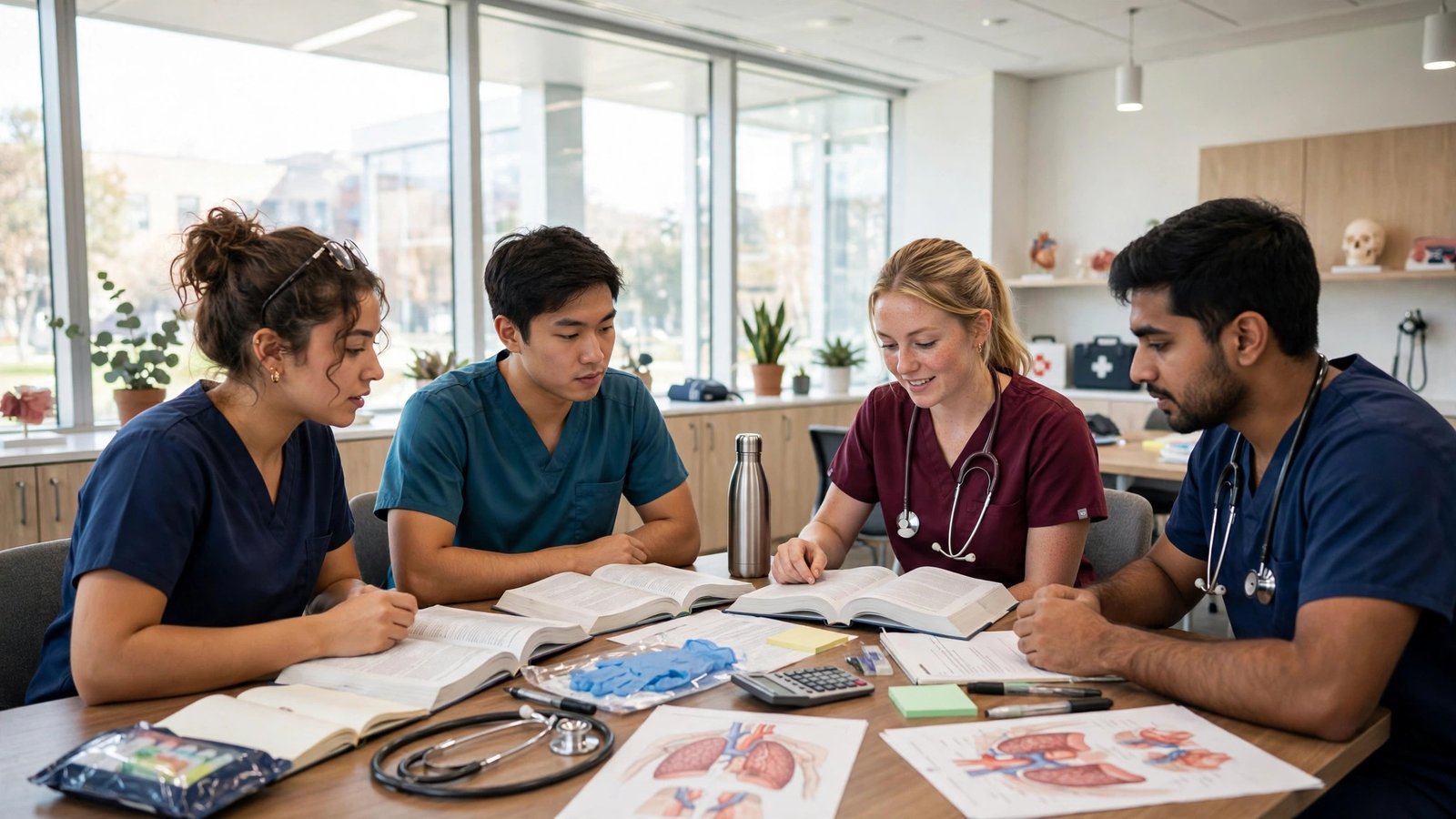
Advanced pathophysiology, advanced pharmacology, advanced health assessment, plus specialty courses depending on your track — family practice (FNP), adult-gerontology, pediatrics, psychiatry/mental health (PMHNP), women’s health, or acute care.
Clinical hours
Every NP program requires supervised clinical rotations: a minimum of 500 hours for MSN programs (most require 600–700), and 1,000+ hours for DNP programs. You will train in clinics, hospitals, and private practices under licensed preceptors. Finding your own preceptors is a notorious headache in competitive markets like New York City — ask programs about placement support before enrolling.
Certification exam
After graduation, you must pass a national board exam (through ANCC or AANP, depending on specialty) and get licensed in your state. New York licenses NPs through the State Education Department; the process typically takes 6–12 weeks after you pass boards.
How Much Does NP School Cost?
Total tuition ranges widely:
- Public university MSN: $30,000–$60,000 total
- Private university MSN: $60,000–$120,000+ total
- DNP programs: $50,000–$150,000+ total
CUNY and SUNY programs in New York are among the most affordable accredited options in the country. Many hospital employers — including major NYC health systems — offer tuition reimbursement, which can cut costs dramatically if you keep working as an RN.
Is NP School Worth the Time?
For most RNs, yes. Nurse practitioners earn a median of about $132,000 nationally, and in the New York City metro area, NPs commonly earn $140,000 to $170,000+, with psychiatric and acute-care specialties at the top. Job growth is projected at 40%+ over the next decade — among the fastest of any occupation. You also gain prescribing authority and far more clinical autonomy than an RN role offers.
Online NP Programs: Do They Count?
Yes — as long as the program is accredited (CCNE or ACEN) and includes in-person clinical rotations, which all legitimate programs do. Online and hybrid NP programs are popular with working nurses. Just verify accreditation and check that the program has a track record of placing students in clinical sites in your area before you commit.
Frequently Asked Questions
Can you go to NP school without being a nurse first?
Yes, through direct-entry MSN programs designed for bachelor’s degree holders in other fields. These take 3–4 years and include RN training in the first phase. They are competitive and expensive, but they are the standard non-nurse route.
What is the shortest NP program?
The fastest accredited route is a full-time BSN-to-MSN program at about 2 years, or a 12–18 month post-master’s certificate if you already hold an MSN. Accelerated and “fast-track” claims shorter than this deserve scrutiny — check accreditation carefully.
Is the DNP required to become a nurse practitioner?
Not yet. The MSN remains the minimum degree for NP licensure in all states, though the profession has been moving toward the DNP as the entry standard for years. A DNP takes 1–2 years longer but can help with leadership roles, academia, and long-term competitiveness.
How hard is NP school compared to nursing school?
Harder. The science goes deeper (advanced patho and pharm are notoriously tough), clinical expectations are higher, and you are training to diagnose and prescribe — a fundamentally bigger responsibility than RN training. Most students describe it as the most demanding schooling they have done.
Can I work while in NP school?
Many students do, especially in part-time programs — working as an RN during school is extremely common. Full-time accelerated programs make working difficult; budget accordingly if you go that route.
The short answer: 2 to 4 years of NP school itself, or 6 to 8 years from zero to licensed NP. It is a serious commitment of time and money — but with six-figure salaries, 40%+ job growth, and real clinical autonomy on the other side, it remains one of the strongest career investments in healthcare.