Pink Mold in Shower: What You Need to Know
Pink mold in your shower is actually a bacteria, not real mold. Learn what causes the pink slime, whether it is harmful, and how to remove and prevent it.
Written by admin
Published October 18, 2026
Reading time 6 minutes
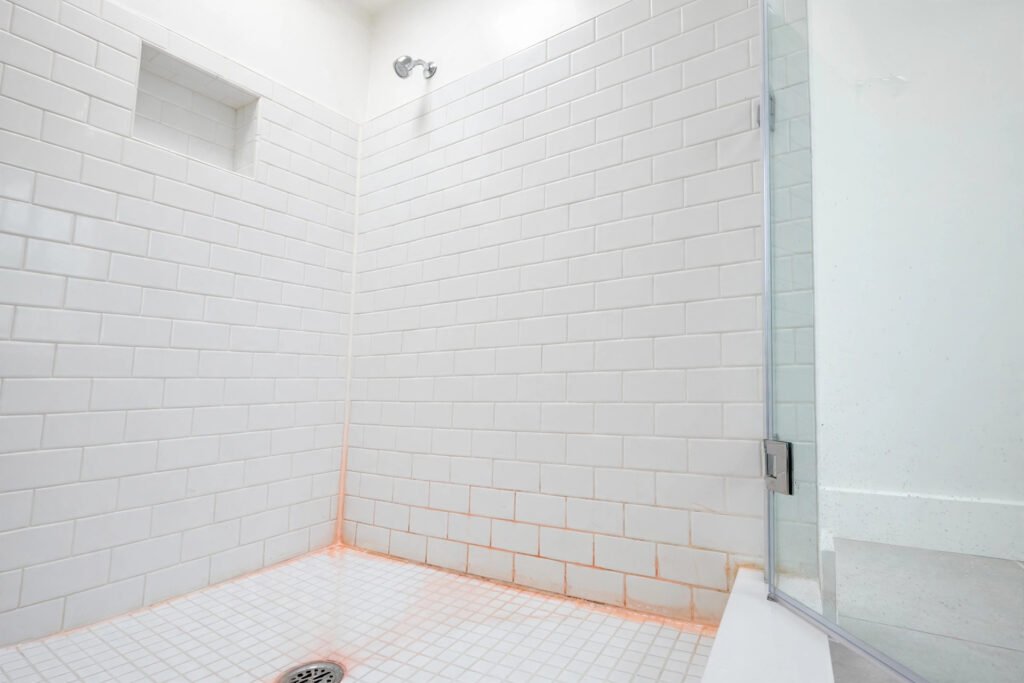
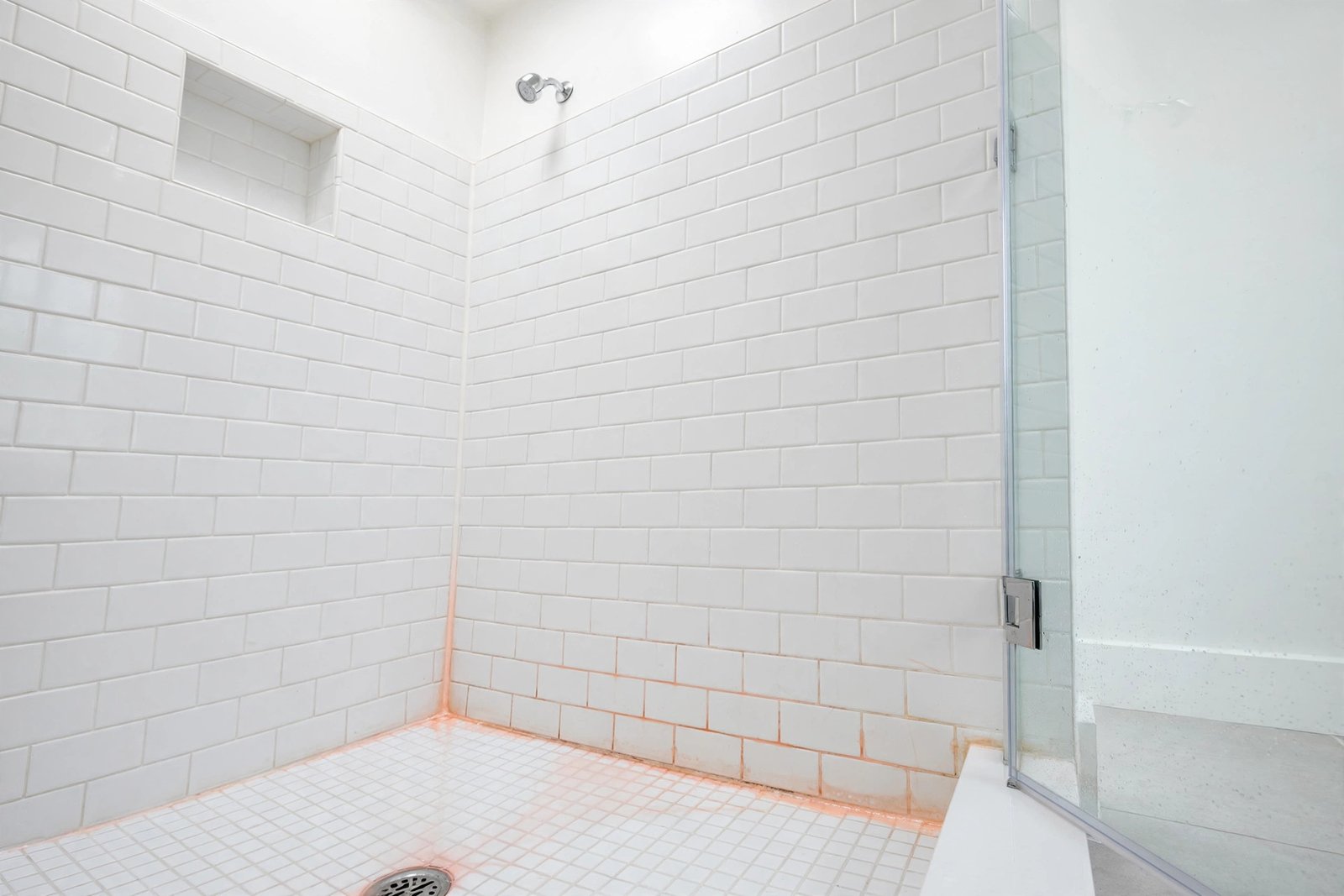
Pink Mold in Shower: What You Need to Know
That pinkish-orange slime in your shower is not actually mold. It is a bacteria called Serratia marcescens that thrives in damp, soap-scummy environments like shower corners, tile grout, and caulk lines. The short answer: it is generally not dangerous for healthy people, but it can cause irritation or infection if it gets into your eyes, ears, or open cuts — and it looks terrible. You can remove it with a bleach-based cleaner or a baking soda scrub, and keep it away by drying the shower after use and improving ventilation.
Pink mold is one of the most common bathroom complaints in the country, and New York City apartments are prime territory: small bathrooms, often with weak or nonexistent exhaust fans, stay humid long after a shower. If you have noticed pink streaks creeping along your grout, here is what is going on and exactly what to do about it.
What Is Pink Mold, Really?
Despite the name, pink mold is a bacterium, not a fungus. Serratia marcescens is an airborne organism found just about everywhere — in soil, dust, and water. It feeds on the fatty residues in soap, shampoo, and body oils, which is why it colonizes showers, sinks, and toilets rather than dry surfaces. It produces a reddish-pink pigment as it grows, which is what you see as pink slime or pinkish-orange staining on grout, caulk, shower curtains, and tile corners.
Is Pink Mold Dangerous?
For most healthy people, pink mold is more of a nuisance than a health threat. It is not the toxic black mold that makes headlines. However, it is not harmless either:
- It can cause urinary tract infections and wound infections in susceptible individuals.
- It may trigger respiratory irritation in people with asthma, allergies, or weakened immune systems.
- It can cause eye irritation or infections if contaminated water gets into the eyes.
- Hospitals take it seriously because it can infect immunocompromised patients — but a home shower is a very different environment from a hospital ward.
Bottom line: if you are generally healthy, pink mold is unpleasant but not an emergency. Still, there is no reason to live with it — and households with infants, elderly members, or anyone immunocompromised should clean it promptly.
What Causes Pink Mold in the Shower?
- Constant moisture: Showers that never fully dry between uses are the number one cause.
- Soap scum: Bar soap and body wash leave fatty residues that feed the bacteria.
- Poor ventilation: Bathrooms without an exhaust fan — or where the fan is never used — stay humid for hours.
- Infrequent cleaning: The longer grime sits, the more established the bacterial colonies become.
- Warm temperatures: Bacteria grow fastest in warm, steamy conditions.
How to Remove Pink Mold from Your Shower
Step 1: Protect Yourself
Put on rubber gloves and open a window or turn on the exhaust fan. You do not need a respirator for pink mold, but avoid splashing cleaning solution into your eyes.
Step 2: Apply a Bleach-Based Cleaner
Spray the affected areas with a bathroom cleaner containing bleach, or mix your own solution of one part household bleach to ten parts water. Let it sit for 10 to 15 minutes so it can kill the bacteria down into the porous grout.
Step 3: Scrub Thoroughly
Scrub grout lines, caulk, and corners with a stiff brush or an old toothbrush. For a bleach-free alternative, make a paste of baking soda and water, apply it to the pink areas, spray with white vinegar, let it fizz for 10 minutes, then scrub.
Step 4: Rinse and Dry
Rinse everything with hot water and then dry the surfaces with a towel or squeegee. Drying matters — leaving the shower wet restarts the whole cycle.
Step 5: Tackle the Shower Curtain
If the pink film has reached your shower curtain or liner, toss a fabric curtain in the washing machine with hot water and a cup of vinegar. Replace cheap plastic liners — they are a few dollars and not worth scrubbing.
How to Prevent Pink Mold from Coming Back
- Squeegee after every shower. A 30-second squeegee of the walls removes most of the moisture bacteria need.
- Run the exhaust fan during and for at least 20 to 30 minutes after showering. In NYC rentals with weak fans, crack the bathroom door and run a small fan if you can.
- Switch to liquid body wash instead of bar soap if pink mold keeps returning — bar soap leaves more residue.
- Spray a daily shower cleaner after use. A quick mist of a vinegar-water solution on the walls takes seconds and disrupts bacterial growth.
- Fix leaks and reseal grout. Cracked caulk and failing grout trap moisture behind the surface. Re-caulk once a year in older bathrooms.
- Wash bath mats and towels frequently — damp textiles are secondary breeding grounds.
Mistakes to Avoid
- Just wiping it away with water: Wiping removes the visible pink but leaves the bacterial colony intact in porous grout. It will be back within days.
- Using only vinegar on heavy growth: Vinegar helps with light film, but established colonies in grout need bleach or a dedicated bathroom disinfectant.
- Ignoring ventilation: You can scrub all you want, but if the shower never dries, the pink slime returns. Fix the moisture problem, not just the symptom.
- Painting over it: Painting over pink-stained caulk or grout without killing the bacteria first just traps it underneath.
Frequently Asked Questions
Is pink mold the same as black mold?
No. Black mold (Stachybotrys chartarum) is a true fungus that grows on water-damaged building materials and can produce mycotoxins. Pink mold is a bacterium that feeds on soap residue. They look different, grow in different places, and carry different health risks — pink mold is far less hazardous.
Can pink mold make you sick?
In healthy people, it rarely causes illness, but it can irritate eyes and airways and can infect open wounds. People with weakened immune systems, chronic lung conditions, or urinary catheters should be more cautious and keep bathrooms disinfected.
Why does pink mold keep coming back in my shower?
Because the underlying conditions have not changed. If the shower stays damp, soap scum builds up, and ventilation is poor, bacteria recolonize within a week or two. Consistent drying and weekly cleaning break the cycle.
Does bleach kill pink mold permanently?
Bleach kills the bacteria on contact, including in porous grout, but nothing kills it “permanently” — the bacteria are everywhere in the environment and will return if moisture and soap residue return. Prevention is the real long-term fix.
Is pink mold common in NYC apartments?
Very. Small bathrooms, older tile and grout, and weak exhaust ventilation make pink mold one of the most common bathroom complaints in New York City rentals. Landlords are generally not required to remediate it since it is considered a housekeeping issue, so routine cleaning falls to tenants.
Pink mold is unsightly, but it is also one of the easiest bathroom problems to solve. Kill it with bleach, dry the shower after every use, and give the grout a weekly scrub — do that consistently, and the pink slime stays gone.