How to Take Deodorant Stains Out of Black Shirts: Step-by-Step Guide (2026)
Get deodorant stains out of black shirts with our 2026 step-by-step guide. Simple household fixes using baking soda and vinegar that actually work fast.
Written by admin
Published October 18, 2026
Reading time 5 minutes
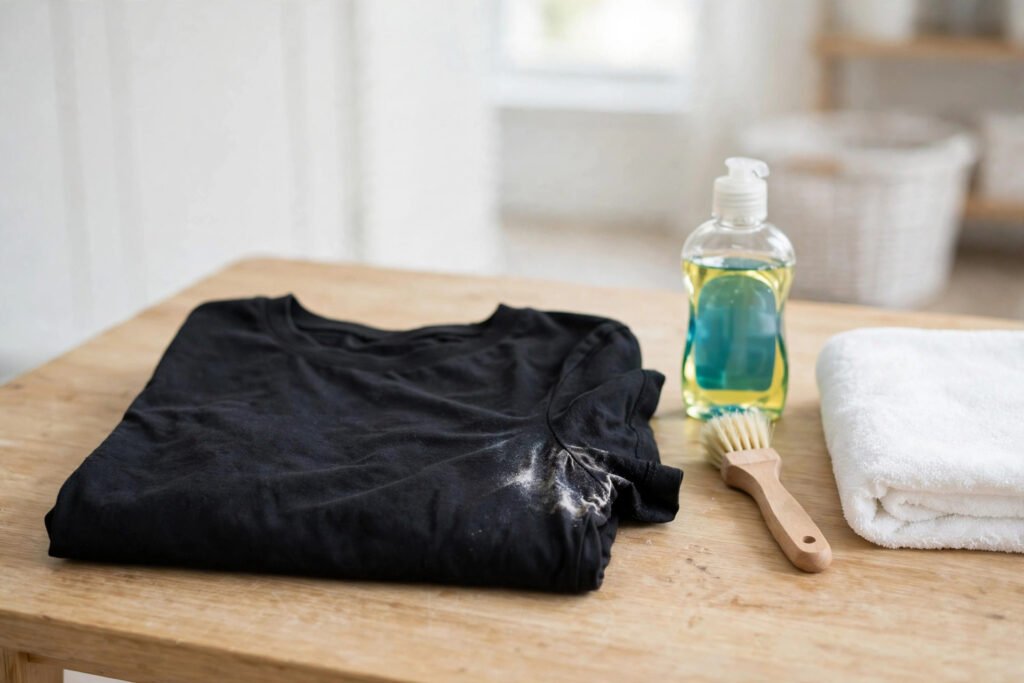
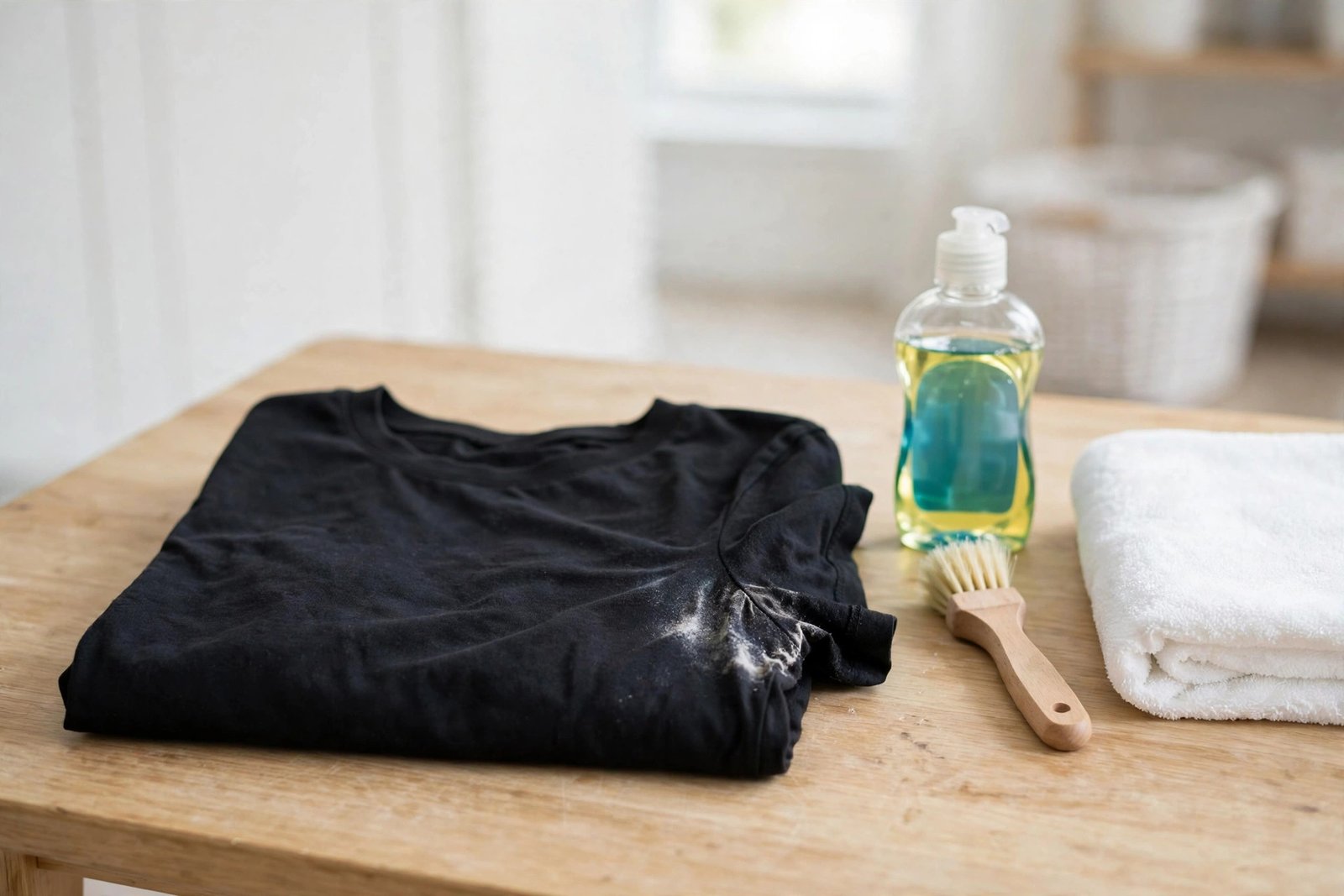
How to Take Deodorant Stains Out of Black Shirts: Step-by-Step Guide (2026)
Those chalky white marks under the arms of your black shirts are not permanent. Here is the fastest fix: mix baking soda with a little water to form a thick paste, rub it into the stain, let it sit for 30 minutes, then wash the shirt in cold water. The mild abrasion and alkalinity of the baking soda break down the deodorant residue without harming the dark fabric. For older, set-in stains, soak the shirt in white vinegar for 30 minutes before washing instead.
Deodorant stains are the enemy of every dark wardrobe. The white streaks come from the aluminum compounds and waxes in antiperspirants, which bond to fabric fibers — and on black shirts, every trace shows. The good news is that these stains respond well to simple household treatments, as long as you act before heat sets them in permanently.
You might also enjoy reading uk news stories over at UK news stories.
Why Black Shirts Show Deodorant Stains So Badly
Most antiperspirants contain aluminum-based compounds that form a gel-like plug in your sweat glands. That same residue transfers to fabric, where it builds up wash after wash into stiff, yellowish-white patches. On white shirts it looks yellow; on black shirts it shows up as chalky white streaks and crusty buildup in the underarm area. The darker the fabric, the more visible the contrast.
What You Will Need
- Baking soda
- White distilled vinegar
- Liquid dish soap (clear or white, not colored)
- An old soft toothbrush or laundry brush
- Hydrogen peroxide (3%) for stubborn stains
- Cold water
Method 1: Baking Soda Paste (Best for Fresh Stains)
Step 1: Make the Paste
Mix three tablespoons of baking soda with just enough cold water to form a thick, spreadable paste — about the consistency of toothpaste.
Step 2: Work It Into the Stain
Lay the shirt flat and spread the paste generously over the deodorant marks, on both sides of the fabric if the buildup is heavy. Gently rub it in with your fingers or a soft toothbrush, using small circular motions.
Step 3: Let It Sit for 30 Minutes
Leave the paste on for at least 30 minutes. For heavier buildup, you can leave it for up to an hour. The baking soda loosens the waxy residue and lifts it from the fibers.
Step 4: Wash in Cold Water
Rinse off the paste, then wash the shirt in the coldest water setting with your regular detergent. Cold water is important — heat can set any remaining residue permanently. Air-dry or tumble dry on low, and check the stain before it goes through a hot dryer.
Method 2: White Vinegar Soak (Best for Set-In Stains)
Step 1: Soak the Underarm Area
Pour undiluted white distilled vinegar directly onto the stained areas, or soak the whole underarm section in a basin of vinegar for 30 minutes. The acid dissolves the mineral and aluminum buildup that baking soda alone cannot handle.
Step 2: Scrub Gently
After soaking, scrub the area lightly with a soft brush. You should see the crusty residue starting to flake away.
Step 3: Wash Cold and Check
Wash in cold water as usual. If a faint shadow of the stain remains, repeat the soak once more before drying. Never put a still-stained shirt in a hot dryer.
Method 3: Dish Soap and Hydrogen Peroxide (For the Toughest Buildup)
For shirts with thick, yellowed, crusty underarms that have survived multiple washes, mix equal parts liquid dish soap and 3% hydrogen peroxide. Apply to the stain, gently work it in, and let it sit for 30 to 60 minutes before washing cold. This combo cuts through both the waxy and the protein-based components of old stains. Test on a hidden seam first, since hydrogen peroxide can slightly lighten some black dyes if left too long.
Mistakes to Avoid
- Using hot water or a hot dryer too soon: Heat sets deodorant stains permanently. Always treat first, wash cold, and confirm the stain is gone before applying heat.
- Scrubbing aggressively: Hard scrubbing can fade black dye and thin the fabric. Gentle circles with a soft brush are enough.
- Using bleach: Chlorine bleach will strip the black dye and leave orange or brown patches. Never use it on black shirts.
- Using colored stain removers: Some commercial stain sticks and sprays contain dyes or optical brighteners that leave their own marks on black fabric. Stick to clear products.
- Waiting too long: The longer deodorant residue sits, the harder it bonds. Treat marks within a day or two when you can.
How to Prevent Deodorant Stains on Black Shirts
- Let deodorant dry before dressing. Wait two to three minutes after applying, or use a hair dryer on cool for 20 seconds.
- Apply less product. Most people use two to three times more than needed. Two to three light swipes are enough.
- Switch to a clear gel or aluminum-free deodorant. Clear formulas transfer far less visible residue to dark fabrics.
- Wear an undershirt. A thin undershirt absorbs the residue and protects your black shirt — a common trick in professional wardrobes.
- Wash black shirts inside out in cold water to reduce friction marks and dye fading overall.
Frequently Asked Questions
Can deodorant stains be removed after they have been through the dryer?
It is harder, but often still possible. Heat sets the stain, so start with the vinegar soak method, which is the strongest option, and repeat it two or three times. If the stain does not budge after several attempts, it is likely permanent.
Does lemon juice remove deodorant stains from black shirts?
Lemon juice can help lighten stains on white and light fabrics, but it is a mild bleaching agent — risky on black shirts, where it may fade the dye. Stick to baking soda and vinegar for dark clothes.
Will rubbing alcohol take deodorant stains out?
Rubbing alcohol can dissolve fresh deodorant marks and is sometimes recommended as a quick fix. Dab, do not rub, and rinse promptly. It is less effective on heavy buildup than the baking soda or vinegar methods.
Are those white marks actually sweat stains or deodorant stains?
On black shirts, chalky white marks are almost always deodorant or antiperspirant residue. True sweat stains tend to yellow fabric and stiffen it, which shows up more on light-colored clothes. If the marks appeared right after applying deodorant, you have your answer.
Black shirts are a wardrobe staple, and they do not have to be disposable. Treat deodorant marks early, wash cold, and keep the baking soda handy — most stains come out with one treatment, and your dark clothes will keep looking sharp.