Why Are My Tomato Plants Not Producing Fruit in NYC?
Why are your tomato plants not producing fruit? The 9 most common causes in NYC gardens, from heat stress to poor pollination, plus exactly how to fix each one.
Written by admin
Published November 3, 2026
Reading time 6 minutes
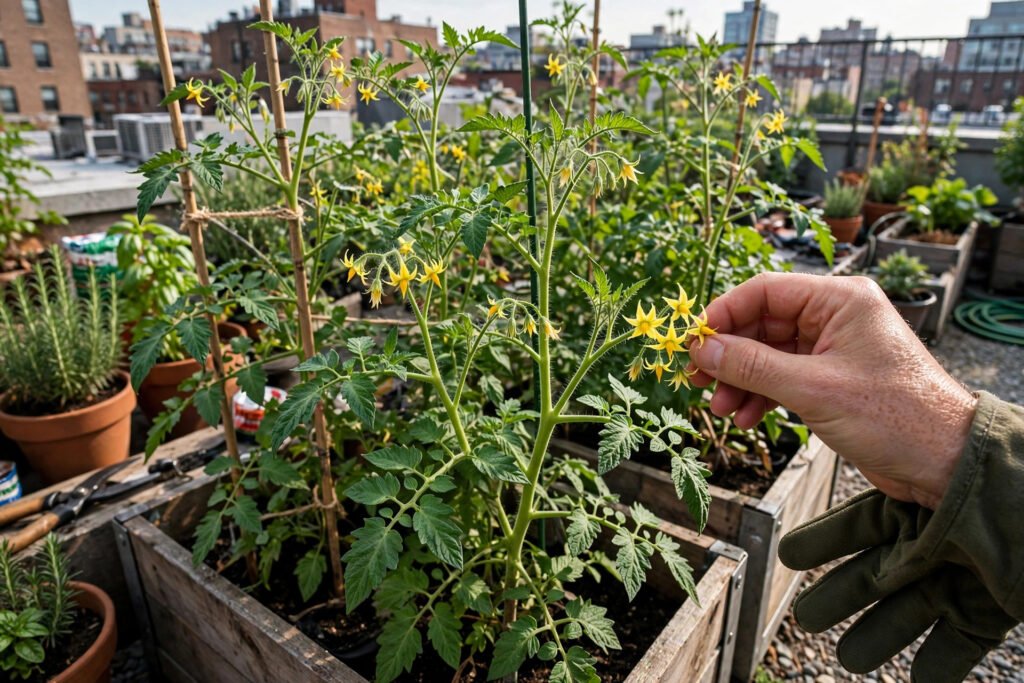
Your tomato plants are lush, green, and gorgeous — tall, leafy, full of yellow flowers. And yet: no tomatoes. Or worse, flowers that bloom, wither, and drop without ever swelling into fruit. It is one of the most frustrating experiences in gardening, and in New York City’s particular climate, it has a handful of usual suspects. The good news: almost every cause is fixable, often within days.
Let us diagnose systematically, from most common to least.
Cause 1: Heat Stress (NYC’s Biggest Culprit)
Tomatoes are tropical in origin but surprisingly fussy about heat when it comes to fruit set. Pollen becomes sterile above roughly 90°F, and nighttime temperatures above 75°F prevent proper pollination — both common in NYC July and August, especially on heat-trapping balconies and rooftops.
Signs: flowers form normally but drop without setting fruit, during the hottest weeks. Plants otherwise look healthy.
Fix: This often self-resolves when temperatures moderate — tomatoes are remarkably resilient and will set fruit heavily in September’s cooler weather. Help them along with afternoon shade cloth (30–50% shade), consistent deep watering (heat-stressed roots compound the problem), and mulching to cool the root zone. Choose heat-tolerant varieties (“Solar Fire,” “Phoenix,” cherry types) if this recurs yearly. The Old Farmer’s Almanac tracks heat-set varieties well.
Cause 2: Poor Pollination
Tomatoes are self-pollinating, but they need vibration to release pollen — normally provided by wind and buzzing bees. On sheltered balconies with little wind and few pollinators, flowers go unpollinated and drop.
Signs: flowers open, look normal, then fall off cleanly with no swelling at the base.
Fix: Become the bee. Gently shake or tap each flower cluster daily — or use an electric toothbrush held against the stem behind the flowers for a few seconds (the vibration mimics a bee’s buzz-pollination perfectly). Do this midday when pollen is driest. Planting pollinator-friendly flowers nearby helps long-term; Cornell’s gardening resources list excellent Northeast pollinator plants.
Cause 3: Too Much Nitrogen
Over-fertilized tomatoes grow into magnificent leafy beasts with few flowers and less fruit. Excess nitrogen tells the plant to prioritize foliage over reproduction — great if you want a tomato hedge, terrible if you want tomatoes.
Signs: dark green, vigorous, huge plants with sparse flowers. Often follows heavy use of high-nitrogen fertilizer or fresh manure.
Fix: Stop nitrogen-heavy feeding immediately. Switch to a fertilizer higher in phosphorus and potassium (the “P” and “K” — look for formulations like 5-10-10) once flowering begins. Do not prune aggressively to “fix” it — you will just stimulate more leafy regrowth.
Cause 4: Inconsistent Watering
Tomatoes are drama queens about water. Drought stress causes flower drop; waterlogged roots cause the same. NYC container gardeners are especially vulnerable — pots dry out fast in summer heat, then get flood-watered in panic.
Signs: flower drop combined with wilting, yellowing lower leaves, or blossom end rot on the few fruits that do form (dark sunken spots on the blossom end — a calcium-uptake issue triggered by inconsistent water, not calcium deficiency).
Fix: Deep, consistent watering — soil evenly moist, never soggy or bone-dry. Mulch 2–3 inches to stabilize moisture. Self-watering containers are the cheat code for NYC summers. Morning watering beats evening (less disease pressure).
Cause 5: Insufficient Light
Tomatoes need 6–8 hours of direct sun minimum. In marginal light (4–5 hours), plants grow leggy reaching for sun, flower sparsely, and drop what they produce. NYC’s building canyons and north-facing exposures are classic culprits.
Signs: tall, spindly plants with long spaces between leaf sets, few flowers, pale color.
Fix: Move containers to the sunniest spot available — even a few feet can matter enormously. Reflective surfaces (white walls, light mulch) bounce bonus light. If your space genuinely lacks sun, switch to crops that tolerate it and grow tomatoes only if you can guarantee 6+ hours. Be realistic: no variety fruits well in shade.
Cause 6: Wrong Variety for Your Conditions
Not all tomatoes suit NYC’s short season and container life. Giant beefsteaks need long, hot seasons and huge root zones; in a 5-gallon bucket on a Brooklyn balcony, they struggle. Determinate (bush) and cherry varieties bred for containers set fruit earlier, more reliably, and in tougher conditions.
Fix: Next season, choose varieties labeled for containers, short seasons, or heat-set. “Early Girl,” “Celebrity,” cherry types, and patio determinates are NYC workhorses. Save the heirloom beefsteak experiment for when you have ground space and experience. As for timing, late planting shortens the fruiting window dramatically — transplant on schedule.
Cause 7–9: Pests, Disease, and Nutrient Gaps
Pests: aphids and thrips damage flower buds; hornworms defoliate plants (reducing the energy available for fruit). Inspect weekly, hand-pick hornworms, blast aphids with water.
Disease: early blight and fusarium weaken plants enough to abort fruit. Water at soil level (not overhead), mulch to prevent soil splash, and remove affected lower leaves promptly.
Calcium/magnesium: true deficiencies are rare in potting mix but blossom end rot (see Cause 4) mimics them. Consistent watering usually resolves it without supplements.
New gardeners should also review the best plants for a beginner indoor garden and how to build a simple raised garden bed — many fruiting problems trace back to fundamentals covered there.
The Diagnostic Checklist
Run through this in order: (1) Is it the heat of July/August? → shade and water, wait for September. (2) Are flowers dropping unpollinated? → shake daily. (3) Is the plant huge and dark green with few flowers? → cut nitrogen. (4) Is watering erratic? → stabilize with mulch/self-watering pots. (5) Is it getting 6+ hours of sun? → relocate. In nine cases out of ten, the answer is one of these five.
The USDA’s growing resources confirm what NYC gardeners learn by experience: tomatoes are resilient, and most fruiting failures are environmental, not fatal. Fix the environment and the plant usually forgives you within weeks.
Conclusion
Tomatoes that will not fruit are almost always telling you something specific — too hot, unpollinated, overfed, thirsty, or sun-starved. Work the checklist, fix the likeliest cause first, and be patient: a plant that looks healthy will usually reward corrections with a late-season glut. And when the harvest finally arrives, you will know exactly what to do with it — making pasta sauce from fresh tomatoes is the traditional reward for solving this puzzle.
Frequently Asked Questions
Why do my tomato flowers fall off without making fruit?
Usually heat stress (pollen sterilizes above ~90°F), lack of pollination vibration, or inconsistent watering. Flowers dropping cleanly during hot weeks is the classic heat signature.
How do I hand-pollinate tomatoes?
Shake flower clusters gently each midday, or touch an electric toothbrush to the stem behind flowers for a few seconds. The vibration releases pollen just like a bee’s buzz.
Will tomatoes produce fruit in September in NYC?
Yes — often abundantly. When August heat breaks, plants that dropped flowers all summer frequently set heavy fruit in September’s cooler weather. Protect from early frosts to extend the harvest.
Does pruning help tomatoes produce more fruit?
Removing suckers on indeterminate varieties improves airflow and directs energy to fruit, but over-pruning stresses plants and reduces yield. Never prune to fix a fruiting problem caused by heat, water, or light.
Can over-fertilizing stop tomatoes from fruiting?
Yes — excess nitrogen produces lush foliage at the expense of flowers and fruit. Switch to low-nitrogen, higher-phosphorus fertilizer once flowering begins.