
Workout nutrition has been overcomplicated to the point of paralysis. Protein windows, glycemic indexes, supplement stacks — the fitness industry turned “eat before you exercise” into a science project. Here’s the liberating truth: for most people, workout nutrition is simple, forgiving, and far less critical than consistency. What should I eat before and after a workout? Let’s keep it practical.
Before Your Workout: Fuel, Don’t Feast
The goal of pre-workout eating is straightforward: have enough energy to train well without feeling sick. That means carbs for fuel, a little protein, low fat and fiber (both slow digestion), and timing that matches the meal size.
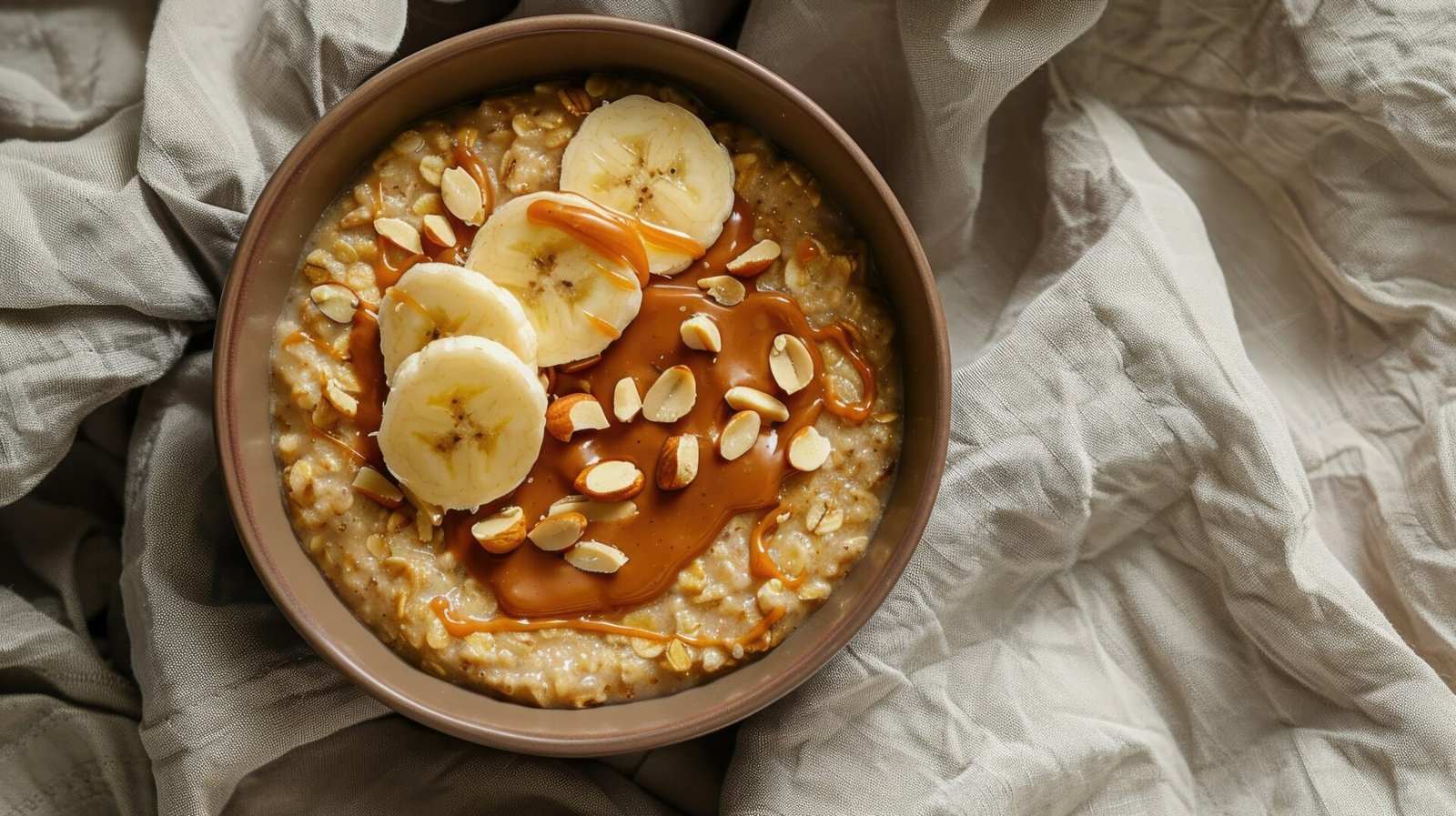
2-3 hours before: eat a real meal. Something like oatmeal with banana and peanut butter, rice with chicken and vegetables, or a turkey sandwich on whole-grain bread. Balanced, substantial, fully digestible by training time.
30-60 minutes before: keep it small and carb-focused. A banana, a handful of pretzels, applesauce, or a slice of toast with jam. You’re topping off glycogen, not having lunch.
What to avoid pre-workout: high-fat meals (slow, heavy), high-fiber feasts (hello, mid-run bathroom emergency), huge portions, and anything new on race or testing day. Spicy food before intense cardio is a gamble most people lose.
Hydration starts before the workout too — drink 16-20 oz of water in the 2-3 hours beforehand. You can’t catch up on hydration mid-workout if you start dehydrated.
After Your Workout: Protein and Carbs
Post-workout, two things matter: protein to support muscle repair, and carbs to replenish glycogen. The “30-minute anabolic window” is mostly myth for regular trainees — total daily intake matters far more than precise timing. That said, eating within a couple of hours after training is sensible, especially if you train fasted or have another session within 8 hours.
Simple post-workout meals:
- Chocolate milk — genuinely one of the best recovery drinks in studies: protein, carbs, fluid, and cheap
- Greek yogurt with granola and berries
- Protein smoothie with banana, milk, and peanut butter
- Eggs on whole-grain toast with fruit
- Chicken, rice, and vegetables — the boring classic that works
- Tuna sandwich with an apple
Aim for roughly 20-40g of protein in the post-workout meal, alongside carbs. If you’re training to build muscle without a gym, consistent post-workout protein is one of the highest-leverage habits.
What About Fasted Workouts?
Exercising before breakfast is fine for easy-to-moderate sessions once you’re adapted — many people prefer it. For high-intensity training, heavy lifting, or sessions over an hour, performance typically suffers fasted. Listen to your body: if fasted workouts leave you dizzy, weak, or ravenous afterward, eat something small first. There’s no moral superiority in either approach. And if you’re experimenting with eating schedules, our guide to intermittent fasting for beginners covers how to combine fasting with training.
Hydration and Electrolytes
For workouts under an hour in normal conditions, water is enough. Beyond that — long runs, hot yoga, summer training — you lose meaningful sodium through sweat, and sports drinks or electrolyte tabs earn their place. The DIY version (water + pinch of salt + squeeze of citrus + splash of juice) works fine. Weigh yourself before and after long sessions occasionally: each pound lost is ~16 oz of fluid to replace.
Supplements: The Honest Minimum
You need fewer than you think. Creatine monohydrate is the most evidence-backed sports supplement in existence — cheap, safe for healthy people, effective for strength and power. Whey or plant protein powder is convenient but not magical; it’s just protein. Everything else (BCAAs, fat burners, test boosters, most pre-workouts) ranges from unnecessary to marketing. Spend the money on better groceries instead — our breakdown of healthy breakfast ideas that keep you full will do more for your training than any powder.
The Academy of Nutrition and Dietetics publishes solid sports nutrition guidance if you want the professional-grade detail.
What Should I Eat Before and After a Workout? Your Questions Answered
What if I work out first thing in the morning with no time to eat?
For sessions under an hour at easy-to-moderate intensity, training fasted is genuinely fine — keep water handy and eat a good breakfast after. Your body has enough stored glycogen from yesterday’s meals to fuel a morning session. For hard or long morning workouts, even something tiny 15-20 minutes before helps: half a banana, a few dates, a handful of pretzels. The people who feel terrible training fasted usually need that small top-up; the people who feel fine don’t. There’s no virtue in suffering — fuel if you need it.
Do I need a protein shake right after working out?
No — the “anabolic window” urgency is mostly marketing. Total daily protein matters far more than post-workout timing for regular trainees. A real meal with 20-40g of protein within a couple of hours is ideal, but a shake is just convenient protein, not magic protein. Chocolate milk, Greek yogurt, eggs on toast — all excellent. The one exception: if you train completely fasted (early morning, nothing since dinner), eating sooner after matters more, since your body has been without protein for 10+ hours. Even then, “within an hour or two” is plenty.
What should I eat on rest days?
Mostly the same as training days, minus the workout-specific timing. Your muscles are still recovering and building on rest days — arguably the most important days for nutrition. Keep protein consistent (your body doesn’t take days off from muscle repair), eat enough total calories, and don’t “punish” rest days with restriction. The only real difference: you don’t need the pre-workout carbs. Think of rest-day nutrition as recovery fuel, not a diet break.
How much water should I drink during a workout?
Drink to thirst for most sessions under an hour — your thirst mechanism works fine for normal training. For longer or hotter sessions, be more deliberate: roughly 4-8 oz every 15-20 minutes, and include electrolytes beyond 60-90 minutes. The old “drink constantly, as much as possible” advice caused hyponatremia (dangerously low sodium) in endurance athletes — overhydration is a real risk in long events. For typical gym sessions, a water bottle sipped throughout is perfect. Weigh yourself before and after occasionally to calibrate your personal sweat rate.
The Bottom Line
Before: carbs 1-3 hours out (smaller and simpler the closer to training). After: protein plus carbs within a couple of hours. Hydrate throughout. Don’t overthink timing — hit your daily protein, eat mostly whole foods, and stay consistent. Workout nutrition supports training; it doesn’t replace it. The workout itself is still 90% of the equation.


