
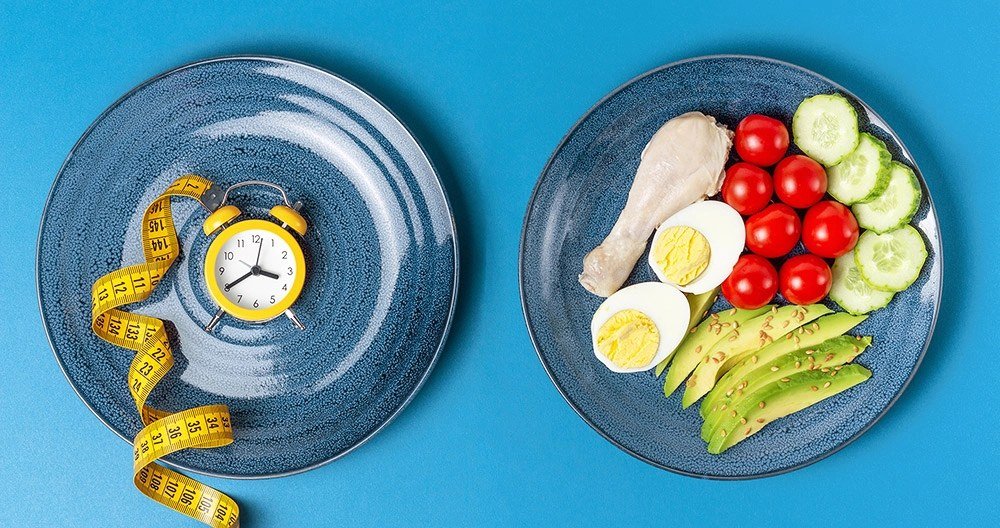
Intermittent fasting went from fringe biohacker experiment to mainstream faster than almost any diet trend in history — and unlike most trends, the core idea has genuine scientific support. But “safe” depends on who you are and how you do it. Is intermittent fasting safe for beginners? For most healthy adults, yes — with the right method, realistic expectations, and awareness of who should skip it. Let’s get specific.
What Intermittent Fasting Actually Is
Strip away the branding: intermittent fasting just means cycling between periods of eating and not eating. It’s not a diet in the “eat these foods” sense — it’s an eating schedule. The popular methods:
- 16:8 — fast 16 hours, eat within an 8-hour window (say, noon to 8 PM). The beginner-friendly standard.
- 14:10 — a gentler entry point; essentially “stop eating after dinner, skip the late snacks.”
- 12:12 — barely fasting at all by IF standards, but a fine starting line for the cautious.
- 5:2 — eat normally five days, restrict to ~500-600 calories two non-consecutive days.
- OMAD (one meal a day) — advanced, not for beginners, and hard to do nutritiously. Skip this to start.
- Alternate-day fasting — also not a beginner method.
For beginners, 14:10 or 16:8 is the sensible starting point. You can literally begin tonight by finishing dinner at 7 PM and eating breakfast at 9 AM — that’s 14:10 without changing anything else.
What the Science Says About Safety
For healthy adults, time-restricted eating is generally safe and reasonably well-studied. Documented benefits include modest weight loss (mostly from eating fewer total calories — the “magic” is largely appetite control, not metabolic wizardry), improved insulin sensitivity, lower blood pressure, and better alignment with circadian rhythms when the eating window is earlier in the day.
Common beginner side effects: hunger (obviously), headaches, irritability, and difficulty concentrating during the first 1-2 weeks. These almost always fade as your body adapts — ghrelin, the hunger hormone, runs on a schedule, and it reschedules within days. Black coffee, tea, and water during the fast help considerably.
What the evidence doesn’t support: the more extravagant claims about autophagy, longevity, and cellular regeneration in humans. Most of that comes from animal studies. Fasting may have those effects; we don’t have strong human data yet. Be skeptical of anyone selling certainty here.
Who Should NOT Do Intermittent Fasting
This part matters more than the benefits list. Skip IF or get medical clearance first if you:
- Are pregnant, trying to conceive, or breastfeeding
- Have a history of eating disorders — fasting can trigger relapse, full stop
- Have diabetes, especially if you take insulin or blood-sugar-lowering medication (fasting + these drugs can cause dangerous hypoglycemia)
- Are under 18, or underweight
- Take medications that must be taken with food
- Have a history of hypoglycemia, or conditions like GERD that worsen on an empty stomach
Women should also note that some report hormonal disruptions (irregular cycles) with aggressive fasting protocols — starting gentle (14:10) and watching for changes is the prudent approach. When in doubt, your doctor’s opinion beats any internet guide, including this one.
How to Start Without Miserable Failure
- Ease in. Start with 12:12 for a week, then 14:10, then 16:8 if you want. There’s no prize for suffering on day one.
- Keep the eating window nutritious. Fasting doesn’t license nutritional chaos. Two fast-food meals in 8 hours isn’t the program. Focus on protein, fiber, and whole foods — our guide to good vs. bad carbs applies inside the window too.
- Don’t skip the pre-fast meal. A protein-rich dinner makes the overnight fast dramatically easier than a carb-heavy one.
- Stay hydrated. Water, black coffee, plain tea during the fast. Hunger is often thirst in disguise.
- Keep exercising. Fasted workouts are fine for most people once adapted; just keep intensity moderate during week one. Fuel properly around training — see what to eat before and after a workout.
- Be flexible. Social dinner at 9 PM? Shift the window. Rigidity breeds quitting; the pattern matters more than any single day.
If structured eating windows appeal to you but full fasting doesn’t, healthy weight loss per week covers the fundamentals that work with any approach.
The NIDDK provides balanced, evidence-based weight management guidance worth reading alongside any fasting plan.
Is Intermittent Fasting Safe for Beginners? Your Questions Answered
Can I drink coffee during the fast?
Yes — black coffee doesn’t meaningfully break a fast (under ~5 calories is the common threshold). It also blunts hunger, which is why so many fasters rely on it. What breaks the fast: cream, sugar, butter/MCT oil in large amounts (the “bulletproof” debate — small amounts are a gray area, large amounts are a meal), and anything with significant calories. Tea (plain) and water are fine. Diet soda is technically near-zero calorie but the sweet taste may increase hunger for some people — experiment and see. The purist answer is water only; the practical answer is that black coffee makes fasting sustainable for most people.
Will fasting slow down my metabolism?
Short fasts (16-24 hours) don’t meaningfully slow metabolism — some studies even show a slight increase in metabolic rate from norepinephrine release during short fasts. Metabolic slowdown becomes a concern with prolonged calorie restriction over weeks (the adaptation is to sustained deficit, not to meal timing). This is actually one of IF’s advantages over chronic dieting: because you eat normally during your window, your body doesn’t get the sustained “famine” signal that triggers adaptation. Keep the eating window nutritious and adequate, and metabolism isn’t a concern.
Can I build muscle while intermittent fasting?
Yes, with attention to protein. The challenge isn’t the fasting — it’s getting enough total protein (0.7-1g per pound of bodyweight) within a shorter eating window. That’s very doable with 2-3 protein-rich meals. Training fasted is fine once adapted, though some people perform better with a small pre-workout meal inside the window. The research shows muscle gain is comparable between IF and regular eating when protein and calories are matched. Time your largest protein meal after training when possible, and don’t overthink the rest.
The Bottom Line
Intermittent fasting is safe for most healthy beginners — start with 14:10 or 16:8, ease in over two weeks, eat well during your window, and stay hydrated. It’s a useful structure for controlling calories, not a metabolic miracle. Skip it entirely if you’re pregnant, have an eating disorder history, or manage diabetes with medication. And remember: the best eating pattern is the one you can sustain happily for years, not the one that impresses people for a month.


