
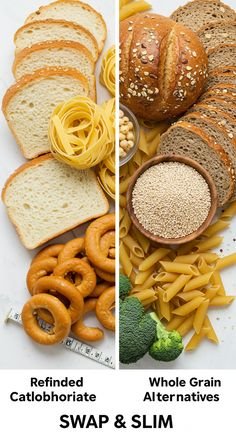
Carbs have had a rough couple of decades. First fat was the villain, then carbs took the fall, and now half the internet acts like bread is poison. The truth is more useful: your brain literally runs on glucose, and athletes, kids, and active adults all thrive on plenty of carbohydrates. The real question isn’t whether to eat carbs — it’s what is the difference between good and bad carbs is, and how to tell them apart without a nutrition degree.
The Difference in One Paragraph
“Good” carbs come packaged with fiber, nutrients, and water — they digest slowly, keep you full, and release energy steadily. “Bad” carbs have been stripped of all that packaging — they digest fast, spike blood sugar, leave you hungry an hour later, and deliver little nutrition per calorie. That’s it. That’s the whole distinction. It’s not about carbs being good or evil; it’s about what travels with them.
Scientists measure this with glycemic index (how fast a food raises blood sugar) and fiber content, but you don’t need numbers. The eye test works: the closer a carb is to how it grew, the better it usually is.
Good Carbs: The Keepers
- Whole grains: oats, brown rice, quinoa, barley, whole-wheat bread and pasta, popcorn. The fiber slows digestion and feeds beneficial gut bacteria — which is why they pair so well with efforts to improve gut health with food.
- Legumes: lentils, chickpeas, black beans, kidney beans. Arguably the most underrated carb source in the American diet — cheap, filling, and loaded with protein and fiber.
- Vegetables: sweet potatoes, squash, carrots, beets. Starchy vegetables count as carbs and they’re excellent ones.
- Whole fruits: berries, apples, oranges, pears. Yes, fruit has sugar — but wrapped in fiber and water, it behaves completely differently from juice or soda in your body.
Bad Carbs: The Ones to Limit
- Sugary drinks: soda, sweet tea, energy drinks, juice. Liquid sugar is the worst carb delivery system — no fiber, no chewing, no fullness signal. This is the first thing to cut, full stop.
- Refined baked goods: doughnuts, pastries, white bread, most crackers. Refined flour plus added sugar plus unhealthy fats, minus fiber.
- Candy and sweets: pure sugar with nothing else. Fine as an occasional treat, terrible as a habit.
- Highly processed snacks: chips, cheese puffs, most breakfast cereals marketed to kids. Engineered to be overeaten.
Notice what’s not on the bad list: white rice, white potatoes, regular pasta. These are refined, sure, but they’re not nutritional disasters — especially paired with protein, vegetables, and fat, which slow absorption. Whole populations thrive on white rice. Context beats carb-phobia every time.
Why It Matters: Blood Sugar and Hunger
Here’s the practical mechanism. Fast-digesting carbs spike blood glucose, your body releases a surge of insulin to handle it, and blood sugar then dips — often below baseline. That dip feels like hunger, shakiness, and cravings, typically 1-2 hours after eating. It’s the reason a pastry breakfast leaves you starving by 10 AM while oatmeal holds you until lunch.
Over years, repeated spikes contribute to insulin resistance — the on-ramp to type 2 diabetes. Knowing the early signs of diabetes is worthwhile for anyone, but choosing slower carbs is one of the best preventive moves available. Stable blood sugar also means steadier energy and mood through the day — no 3 PM crash demanding a vending machine rescue.
Simple Swaps That Don’t Feel Like Sacrifice
- Sugary cereal → oatmeal with berries and nuts (tastes better, keeps you full twice as long)
- White bread sandwich → whole-grain bread (check “whole grain” is the first ingredient)
- Soda → sparkling water with fruit (the fizz satisfies the habit)
- Chips → popcorn or roasted chickpeas (crunch without the crash)
- Juice → whole fruit (all the flavor, plus fiber)
- White rice → brown rice or quinoa sometimes (not every meal needs converting)
And pair carbs smartly: carbs + protein + fat + fiber at a meal blunts the blood sugar response of even faster carbs. Pasta with meat sauce and vegetables behaves very differently from plain pasta. For meal-level strategy, our guide to what to eat before and after a workout shows how to time carbs around activity when your body uses them best.
The USDA’s MyPlate guidelines recommend making at least half your grains whole grains — a reasonable, non-extreme target that captures most of the benefit.
What Is the Difference Between Good and Bad Carbs? Your Questions Answered
Are low-carb diets healthier than eating good carbs?
For most people, no — and the distinction matters. Low-carb diets work for weight loss primarily because they eliminate a huge category of easy calories (and protein is satiating), not because carbs are toxic. But long-term, diets rich in whole-food carbs — legumes, whole grains, fruits, vegetables — are associated with excellent health outcomes in every major population study. The Mediterranean diet, consistently ranked among the healthiest eating patterns, is roughly 50% carbohydrates. The enemy was never carbs; it was refined carbs stripped of fiber. Keep the good ones and you get the benefits without the restriction misery.
Is fruit sugar as bad as added sugar?
No, and the difference is the packaging. An apple’s sugar comes with fiber, water, and phytonutrients — it digests slowly, satisfies hunger, and delivers nutrition. A soda’s sugar comes with nothing. Your body processes them very differently: whole fruit produces a gentle blood sugar curve; juice and soda produce a spike. (Fruit juice, note, behaves more like soda than fruit — the fiber’s gone.) Nobody ever got fat or diabetic from eating too many whole apples. The “fruit has sugar” worry is one of nutrition’s most misplaced anxieties.
What about artificial sweeteners — are they better than sugar?
They’re calorie-free, which helps with weight in the short term, but the full picture is murkier. Some research suggests certain sweeteners alter gut bacteria and may affect glucose metabolism; others link heavy diet-soda use to increased cravings for sweet foods generally. They’re probably better than equivalent sugar for most people, but “better than soda” is a low bar. The healthiest move is gradually reducing your sweetness threshold overall — retraining your palate so you need less sweetness to be satisfied, whether from sugar or substitutes.
The Bottom Line
Good carbs come with fiber and nutrients and keep you satisfied; bad carbs are stripped-down sugar delivery systems that leave you hungry. You don’t need to fear bread, rice, or pasta — just favor whole versions most of the time, ditch the sugary drinks, and build meals that combine carbs with protein and fat. Your energy, hunger, and long-term health will all thank you.


