
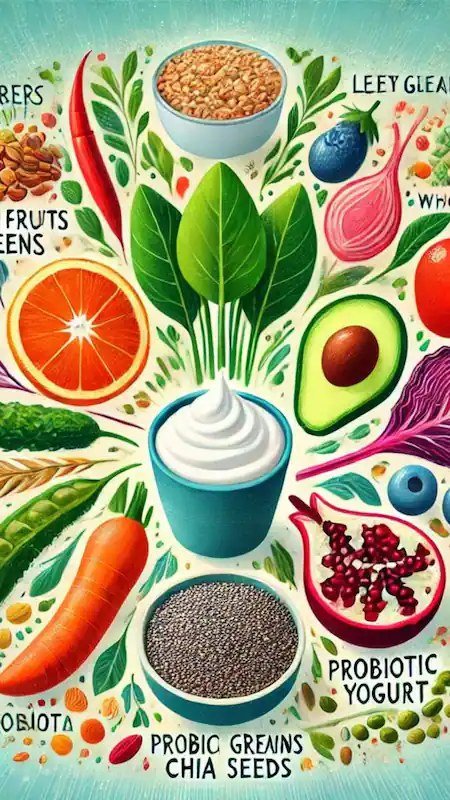
Your gut is having a moment — and for once, the hype is mostly justified. The trillions of microbes in your digestive tract influence immunity, inflammation, mental health, and even weight regulation. But you don’t need expensive probiotic pills or elaborate cleanses. How do I improve my gut health with food? Mostly by feeding the good microbes what they want and starving the troublemakers. Here’s the practical version.
Meet Your Microbiome (Briefly)
Your gut hosts roughly 38 trillion microorganisms — bacteria, fungi, and friends — collectively called the microbiome. A diverse, balanced microbiome is associated with better immunity (about 70% of your immune system lives in gut-associated tissue), lower inflammation, better mood regulation via the gut-brain axis, and healthier metabolism. An imbalanced one — too few beneficial species, too many opportunistic ones — is linked to digestive issues, frequent illness, and even anxiety and depression.
The key insight: your microbes eat what you eat. Every meal is a vote for which species thrive. Feed them fiber and fermented foods, and the beneficial crowd flourishes. Feed them sugar and ultra-processed food, and the less helpful ones take over.
The Two Food Groups That Matter Most
1. Fiber — especially diverse plant fiber. Beneficial gut bacteria ferment fiber into short-chain fatty acids like butyrate, which nourish your gut lining and calm inflammation. The research point that changed how I eat: people with the healthiest microbiomes eat 30+ different plant foods per week. Not 30 servings — 30 varieties. Different fibers feed different bacteria, and diversity is the whole game.
Practical ways to get there: beans and lentils (the fiber champions), oats and barley, berries, apples, artichokes, onions, garlic, leeks, asparagus, and flaxseed. If your current fiber intake is low, increase gradually — jumping from 10 to 40 grams overnight causes the bloating that makes people quit. Add 5 grams a week and drink plenty of water.
2. Fermented foods — the live reinforcements. These deliver beneficial bacteria directly:
- Yogurt and kefir — look for “live and active cultures” on the label; plain versions avoid the sugar bomb of flavored ones
- Sauerkraut and kimchi — unpasteurized, from the refrigerated section (shelf-stable versions are heat-treated and the bacteria are dead)
- Miso and tempeh — fermented soy with deep flavor; miso soup is an easy daily habit
- Kombucha — watch the sugar content; some brands are basically soda
- Traditional pickles — fermented in brine, not vinegar (vinegar pickles aren’t probiotic)
A landmark Stanford study found that a diet high in fermented foods increased microbiome diversity and calmed markers of inflammation — one of the strongest direct findings in nutrition science recently.
Foods That Hurt Your Gut
- Ultra-processed foods. Emulsifiers, artificial sweeteners, and the general lack of fiber in processed food are all associated with less diverse microbiomes. You don’t need perfection — just make whole foods the default.
- Excessive alcohol. Heavy drinking disrupts gut barrier function (“leaky gut” is an oversimplified term for a real phenomenon). If you’re unsure about your intake, see signs you’re drinking too much.
- Artificial sweeteners. Emerging research suggests some (saccharin, sucralose) alter gut bacteria in ways that may affect glucose metabolism. Not settled science, but worth moderating.
- Unnecessary antibiotics. They carpet-bomb the microbiome. Take them when prescribed, finish the course, and eat extra fiber and fermented foods during recovery — but never skip prescribed antibiotics for gut-health reasons.
What About Probiotic Supplements?
Honest take: for generally healthy people eating well, the evidence for daily probiotic pills is thin. They’re strain-specific medicines, not general wellness tonics — specific strains help specific conditions (certain ones for antibiotic-associated diarrhea, for example), but a random “50 billion CFU” blend is a shot in the dark. Fermented foods give you diverse live cultures plus the fiber and nutrients that come with them, at a fraction of the cost. If you have IBS or another diagnosed condition, discuss targeted probiotics with a gastroenterologist — that’s where they actually shine.
Prebiotic supplements (fiber powders) are more broadly useful, especially if you struggle to eat enough plants. But food first: an apple feeds your microbes better than a capsule, because it brings polyphenols and variety along with the fiber.
A Sample Gut-Friendly Day
This isn’t a meal plan — it’s a template showing how easily this fits into normal eating:
- Breakfast: Greek yogurt with berries, oats, and flaxseed (fermented + fiber + variety)
- Lunch: Lentil soup with a side of kimchi or sauerkraut
- Snack: Apple with almond butter, or kefir smoothie
- Dinner: Salmon with roasted vegetables (onions, garlic, asparagus) and quinoa; miso soup on the side
Count the plant varieties: easily 15+ in one day without trying. Pair this approach with overall healthy eating — our guide to eating healthy on a budget proves it doesn’t require expensive groceries — and with immune-supporting habits from foods that boost the immune system naturally.
The NIDDK offers reliable, hype-free information on digestive health if you want to go deeper.
How Do I Improve My Gut Health With Food? Your Questions Answered
How long does it take to improve gut health?
Your microbiome starts shifting within days of dietary change — studies show measurable changes in bacterial populations within 2-4 days of switching diets. But meaningful, stable improvement takes 2-3 months of consistent eating. The frustrating part: it also reverts quickly. A week of poor eating can undo weeks of progress, because you’re constantly voting with every meal. Think of gut health like fitness — you don’t get fit from one workout, and you don’t stay fit by quitting. The good news: once high-fiber, fermented-food eating becomes your default, maintaining it is effortless.
Can gut health affect mental health?
The gut-brain axis is one of the most exciting areas in medicine right now. Your gut produces the vast majority of your body’s serotonin, communicates with the brain via the vagus nerve, and its microbes produce neuroactive compounds. Studies link diverse, healthy microbiomes to lower rates of anxiety and depression — and fecal transplant experiments in animals can actually transfer anxiety-like behaviors via gut bacteria. This doesn’t mean yogurt cures depression. But it does mean the gut-brain connection is real, bidirectional, and worth supporting through diet alongside proper mental health care.
The Bottom Line
Improving gut health with food comes down to two habits: eat 30+ different plant foods weekly for fiber diversity, and eat fermented foods daily for live beneficial bacteria. Cut back on ultra-processed food and excess alcohol. Skip the expensive probiotic pills unless a doctor recommends a specific strain. Your microbiome responds to patterns within weeks — feed the good guys, and they’ll take care of you.


