
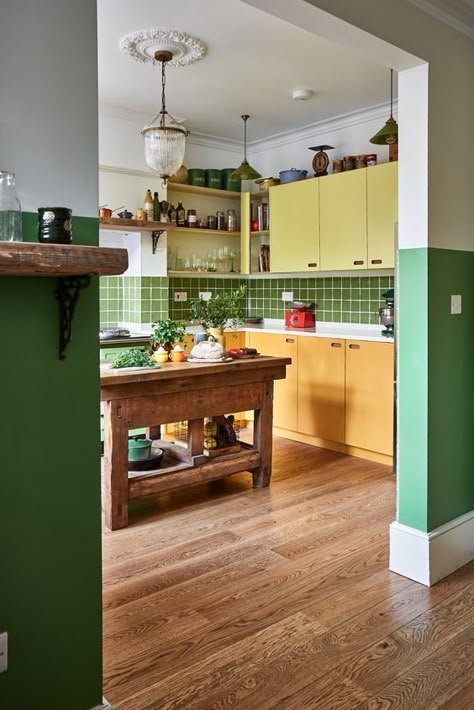
Pick the wrong paint finish for your kitchen walls and you’ll be staring at grease stains you can’t scrub off within a year. Pick the right one and the walls wipe clean for a decade. So what paint finish is best for kitchen walls? The short answer: satin or eggshell for most kitchens, semi-gloss for high-splash zones. But the full answer depends on your wall condition, lighting, and how you cook. Let’s get specific.
Paint Finishes, Ranked by Sheen
Quick refresher — sheen is how much light the paint reflects, and it directly determines washability:
- Flat/matte: zero shine, hides imperfections beautifully, impossible to clean. Grease wipes leave shiny spots. Wrong for kitchens (except ceilings).
- Eggshell: soft low sheen, like an eggshell. Wipeable with gentle cleaning, decent at hiding flaws. Good for kitchens with decent ventilation and walls in good shape.
- Satin: soft glow, noticeably more durable and scrubbable than eggshell. The most popular kitchen choice — the sweet spot of washability and looks.
- Semi-gloss: shiny, extremely durable, scrubs like a dream. Shows every wall imperfection. Best for trim, and for walls only in heavy-use zones.
- High-gloss: mirror-like. Only for trim and doors — on walls it looks intense and highlights flaws mercilessly.
What Paint Finish Is Best for Kitchen Walls? The Recommendation
Satin for the walls, semi-gloss for the trim. That’s the professional standard for a reason: satin withstands the wiping, scrubbing, and steam that kitchens dish out, while looking soft and modern rather than plasticky. Eggshell works if your walls are imperfect and your cooking is light (more reheating than frying), but satin is the safer default.
Consider semi-gloss on walls behind the stove and sink — the splash zones — where maximum scrubbability matters more than hiding imperfections. Some painters do the whole kitchen in semi-gloss for rental properties and busy family kitchens; it’s bulletproof, just shinier than current style prefers.
For color and finish advice from the manufacturers, Sherwin-Williams’ kitchen guides are genuinely useful — they formulate specifically for kitchen conditions (their Emerald line is a favorite among pros for washability).
What Matters Beyond Sheen
- Paint quality beats finish debates. A premium eggshell outperforms a cheap satin. Kitchen-specific or “kitchen & bath” formulations include mildewcides and tougher resins — worth the extra $10/gallon.
- Wall condition dictates finish. Older plaster with waves and patches? The lower the sheen, the more flaws hide. If your walls aren’t perfect, eggshell forgives; semi-gloss exposes. Fix major imperfections first regardless.
- Lighting changes everything. Natural light raking across walls highlights sheen and flaws. Test your finish choice on a sample board and view it in the kitchen’s actual light before committing to gallons.
- Primer matters. On previously glossy paint or patched walls, a bonding primer ensures adhesion. Skipping primer is how kitchen paint peels near the stove within two years.
The Kitchen Painting Process (Brief)
- Degrease first. Kitchen walls have invisible grease film — wash with TSP substitute before anything. Paint over grease and it peels.
- Repair and sand. Fill holes, sand smooth, wipe dust.
- Prime (especially over glossy existing paint or repairs).
- Two coats of your chosen finish, cutting in edges first then rolling. Maintain a wet edge to avoid lap marks.
- Cure time: latex paint feels dry in hours but cures in 2–4 weeks. Go easy on scrubbing for the first month.
If you’re painting as part of a bigger refresh, coordinate with budget kitchen updates — paint first, then hardware and backsplash.
Ceilings and Trim
Ceilings: flat white, always. Ceilings don’t need washing and flat hides everything. In kitchens, use a kitchen-and-bath flat with mildewcide. Trim, baseboards, and window frames: semi-gloss — it stands up to bumps, wipes clean, and the contrast with satin walls looks crisp and intentional.
Painting Kitchen Cabinets: Finish Choices That Last
Walls are one thing — cabinets take far more abuse. If you’re painting cabinets (the highest-ROI kitchen update), finish selection is critical:
- Use cabinet-specific paint, not wall paint. Urethane-alkyd enamels (Benjamin Moore Advance, Sherwin-Williams Emerald Urethane) cure to a hard, furniture-grade finish that resists chips, grease, and daily wiping. Standard wall satin on cabinets scuffs and marks within months.
- Satin is the cabinet sweet spot. Enough sheen to wipe clean easily, not so much that it looks plasticky or highlights every imperfection. Semi-gloss works too but shows flaws more.
- Prep determines everything. Degrease with TSP substitute (twice — kitchen grease is tenacious), scuff-sand with 150-grit, vacuum and tack-cloth the dust, prime with bonding primer. Skipping prep is why DIY cabinet paint jobs peel.
- Spray beats brush. A $100 HVLP sprayer (or even rattle-can primer + foam roller) gives the smooth factory finish that separates pro-looking results from obviously-DIY. If brushing, use a high-quality synthetic brush and lay off — don’t overwork the paint.
- Cure time is real. Enamel feels dry in hours but needs 2–3 weeks to fully harden. Rehang doors carefully, avoid slamming, and don’t scrub for the first month. Patience here is the difference between a 10-year finish and a 2-year one.
Color strategy for cabinets: white and light colors show grease less than you’d expect (and wipe clean); dark colors (navy, forest green, black) hide wear beautifully but show dust. Two-tone — dark lowers, light uppers — is popular because it grounds the room while keeping it bright. Whatever you choose, test the color on a door back first and live with it a few days.
The wall-finish principles from this article apply with one adjustment: cabinets need tougher paint than walls, full stop. Get the walls right with satin, get the cabinets right with cabinet enamel, and coordinate using the same undertone-matching principles that work in living rooms. And if you’re covering old dark stain or paint on those cabinets, check when primer can be skipped — the same rules apply, with bonding primer being even more important on slick cabinet surfaces.
The Practical Takeaway
The best paint finish for kitchen walls is satin — scrubbable enough for real cooking, soft enough to look current — with semi-gloss reserved for trim and heavy-splash zones. Eggshell is acceptable for light-use kitchens with imperfect walls. Whatever you choose, buy quality kitchen-formulated paint, degrease thoroughly before painting, prime properly, and give it a month to cure before aggressive scrubbing. The finish decision takes five minutes; the prep determines whether it lasts five years or fifteen.


