What Can You Actually Recycle in NYC in 2026?
What can you actually recycle in NYC in 2026? The complete, current list: curbside rules, composting, e-waste, textiles, and the items everyone gets wrong.
Written by admin
Published November 5, 2026
Reading time 6 minutes
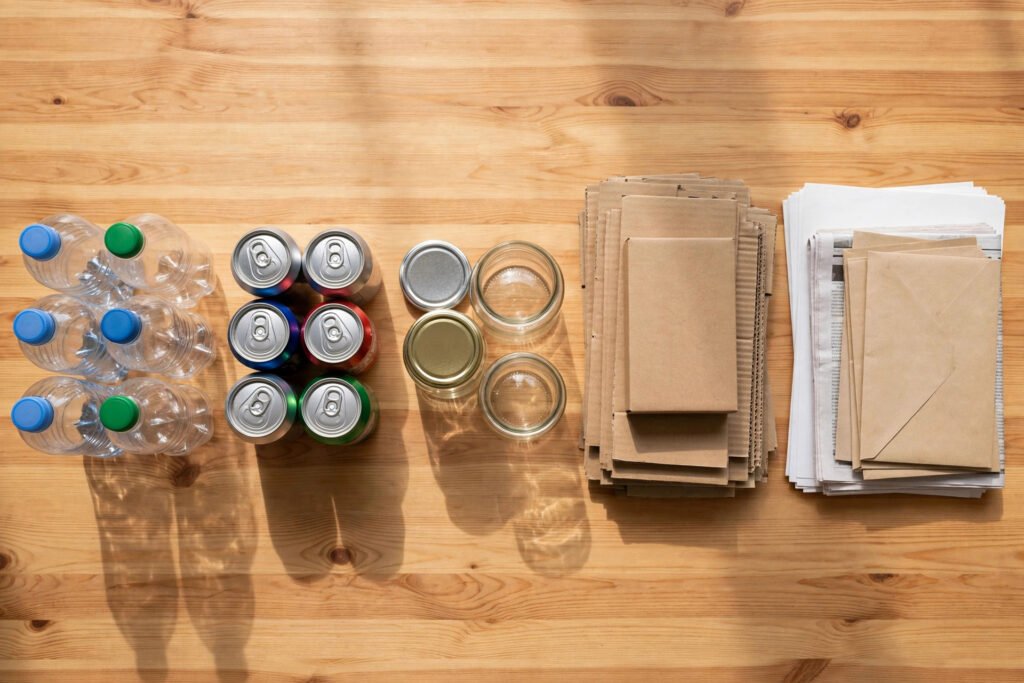
You want to recycle right, but every item raises a question: this yogurt cup? That takeout container? The greasy pizza box? New York City’s recycling rules for 2026 are specific, occasionally counterintuitive, and — once you learn them — genuinely simple. This is the complete, current, item-by-item guide: what goes where, what does not, and the tricky items everyone gets wrong.
Bookmark this. Check nyc.gov’s sanitation pages for any mid-year updates, since rules can evolve.
The Three Curbside Streams
NYC collects three main streams at the curb. Getting these right covers 95% of household waste:
Blue bin / clear bag: Metal, Glass, Plastic, Cartons
YES: plastic bottles, jugs, and jars (any rigid plastic container — caps on); metal cans (soup, tuna, pet food); aluminum foil and trays (clean); glass bottles and jars; milk/juice cartons and aseptic boxes (soup, broth); empty aerosol cans (no hazardous contents).
NO: plastic bags and film; styrofoam (cups, trays, packing); flexible pouches (chip bags, squeeze pouches); plastic utensils and straws; ceramics, mirrors, window glass, light bulbs; greasy or food-caked items that cannot be rinsed.
Prep: empty and give a quick rinse — no need to scrub or remove labels. Flatten large items to save space.
Green bin / bundled: Paper and Cardboard
YES: newspapers, magazines, catalogs, junk mail, office paper, envelopes (windows okay); cardboard boxes (flattened, bundled if large); paper bags; clean paperboard (cereal boxes, tissue boxes).
NO: greasy or food-soiled paper (pizza box bottoms — tear off the clean lid and recycle that); paper towels, napkins, tissues; wax-coated paper and cups; laminated or metallic wrapping paper; shredded paper loose (bag it in paper bags — loose shreds jam machinery).
Brown bin: Compost (Food Scraps and Yard Waste)
NYC’s curbside composting now covers all boroughs — this is the stream most New Yorkers underuse.
YES: all food scraps (meat, bones, dairy, produce, bread, rice — everything); coffee grounds and filters; tea bags; food-soiled paper (napkins, paper towels, greasy pizza boxes — the compost bin is where the greasy stuff goes!); yard waste, leaves, small branches.
NO: pet waste, diapers, “compostable” plastics unless certified (many are not accepted — check current rules), regular trash.
Tip: keep a small countertop container and empty it into the brown bin regularly. Compostable bags designed for the program keep it clean.
The Tricky Items Everyone Gets Wrong
Pizza boxes: clean lid → recycling; greasy bottom → compost. The most-asked question in NYC recycling, answered.
Plastic bags: NEVER in curbside bins — they jam sorting equipment. Return clean bags and plastic film to grocery store drop-off bins (most large stores have them).
Coffee cups: the paper cup is wax/plastic-lined → trash (or check for recyclable-labeled cups). The cardboard sleeve → recycling. The plastic lid → recycling (rigid plastic).
Takeout containers: clean rigid plastic → recycling; black plastic → trash (optical sorters cannot identify black plastic); styrofoam → trash; aluminum → recycling if clean.
Batteries: NEVER in any bin — they cause fires in trucks and facilities. Rechargeable and lithium batteries go to drop-off locations; single-use alkalines have separate guidance — check current NYC 311 rules.
Electronics: banned from trash in NYC. Use e-cycleNYC pickup, retailer take-back, or DSNY special waste drop-offs — never curbside bins.
Textiles: do not put clothes in recycling bins — they are “tanglers” that jam machinery. Donate wearable items; use textile recycling programs for worn-out items. For the bigger picture on clothing waste, see making fast fashion purchases more sustainable.
Paint, chemicals, pesticides: special drop-off events only. Never pour down drains or put in bins.
Building and Setout Logistics
Rules only work if the building cooperates. In NYC, property owners must provide labeled recycling bins and proper setout areas — if your building’s setup is chaos (unlabeled bins, no brown bin, recyclables mixed with trash), report it via 311. DSNY enforces against building owners, not individual tenants, for systemic failures.
Setout timing matters: place bins out after 6 PM (or per your community board’s current rules — NYC has been shifting commercial and residential setout times) and bring them in promptly. Fines for improper setout target building owners, but everyone benefits from compliance.
Why Accuracy Matters More Than Volume
A bin full of carefully sorted recyclables contaminated by one plastic bag can be rejected at the sorting facility — the whole load landfilled. Conversely, a half-full bin of perfectly sorted material is pure value. Quality beats quantity absolutely. When in doubt about any item: trash it. One wrong item in the trash is harmless; one wrong item in recycling spoils the batch.
The EPA’s recycling resources confirm this nationally: contamination rates are the recycling industry’s top challenge, and accurate sorting is the highest-leverage individual action. For the broader household picture, see practical ways to live more sustainably at home — and remember that the confusing rules have structural causes, not personal ones.
Recycling Beyond the Bin: The Full NYC Ecosystem
Curbside bins are the visible part of NYC’s recycling system, but the full ecosystem runs deeper — and knowing it makes you a genuinely effective recycler. Retail take-back programs cover what curbside cannot: plastic bags and film (grocery store bins), batteries (Call2Recycle drop-offs), ink cartridges, and many electronics. Textile recycling — clothes too worn to donate — is handled by dedicated programs and drop-offs, keeping fabrics out of landfills (textiles are a massive and growing waste stream). Compost drop-off sites supplement curbside brown bins at farmers’ markets and community gardens across the boroughs — useful if your building’s compost setup is unreliable. Donation first: furniture, working electronics, and household goods should go to reuse organizations before recycling — reuse beats recycling environmentally every time, since it skips reprocessing entirely. The hierarchy is reduce, reuse, recycle, in that order — the bin is the last resort, not the first. Master the full ecosystem and you graduate from recycler to waste-stream strategist.
Conclusion
What you can recycle in NYC in 2026: rigid plastics, metal, glass, cartons, clean paper and cardboard in their streams; all food scraps in the brown compost bin; electronics, batteries, textiles, and chemicals via special drop-offs — never curbside. The golden rules: rinse containers, when in doubt throw it out, and never bag your recyclables in plastic bags. Tape this guide inside a cabinet door until it is second nature. Accurate recycling is one of the easiest environmental wins available — it just requires knowing the actual rules.
Frequently Asked Questions
Do I need to rinse recyclables in NYC?
A quick rinse/empty — yes. No need to scrub or run through the dishwasher. Food residue contaminates paper and cardboard bales; a basic rinse prevents that.
Can I put recyclables in plastic bags?
No — never bag recyclables in plastic bags. Place items loose in bins or in clear bags only where required. Plastic bags jam sorting machinery.
Is composting mandatory in NYC?
Curbside composting service now covers all boroughs, and separation requirements have been phased in — check current nyc.gov rules for the latest mandates and fine schedules in 2026.
What happens if I put the wrong thing in recycling?
At best, it gets sorted out at the facility. At worst (plastic bags, tanglers, hazardous items), it jams machinery, causes fires, or contaminates entire loads — sending good recyclables to landfill.
Where can I recycle things not accepted curbside?
NYC runs special waste drop-off sites and events for electronics, chemicals, and textiles; retailers take back batteries, plastic bags, and many electronics. Check nyc.gov/311 for current locations and schedules.