
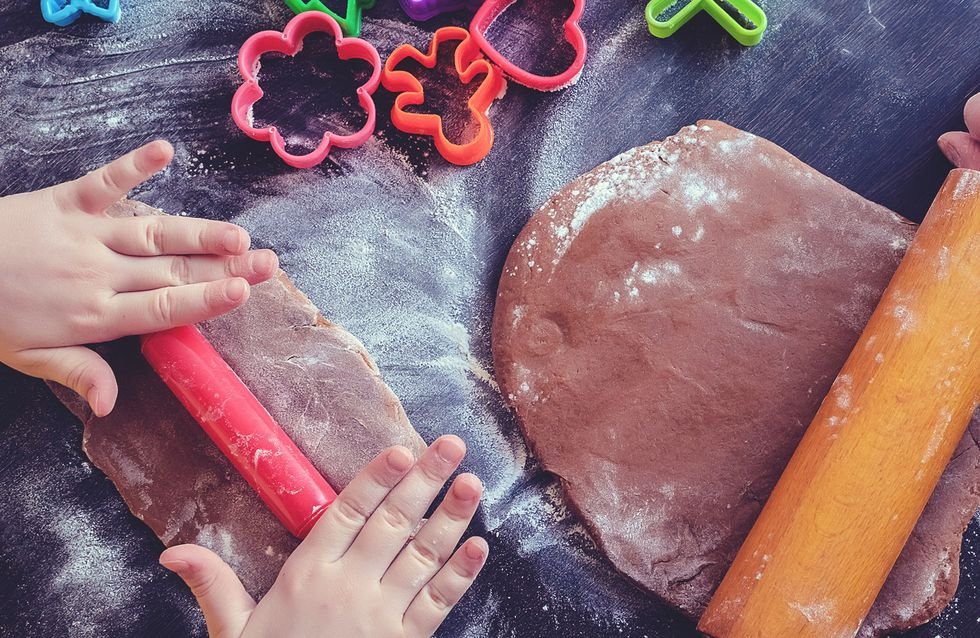
Baking with kids is one of those activities that sounds idyllic and often ends with flour in places flour should never be. But here’s what I’ve learned after many chaotic kitchen sessions: the mess is the point, and picking the right project makes the difference between joyful chaos and actual tears (yours or theirs). If you’re looking for fun baking projects to do with kids, you want recipes that are forgiving, hands-on, and produce something they’re proud of — ideally within their attention span.
The golden rules: choose recipes with simple steps kids can own, avoid anything requiring precision or sharp tools, and embrace imperfection. A lopsided cookie tastes exactly as good as a perfect one, and your kid will remember making it forever.
What Are Fun Baking Projects to Do With Kids? The Best Picks by Age
For little ones (ages 3–6): maximum hands-on, minimum waiting
Decorated sugar cookies. You make the dough ahead (or use store-bought — no judgment), they do the fun part: rolling, cutting shapes, and decorating with icing and sprinkles. There’s no wrong answer and every cookie is a masterpiece. Pro tip: put the sprinkles in muffin tins to limit the spill radius.
Mini pizzas on English muffins. Technically baking, and kids go wild for it. Sauce, cheese, toppings they choose themselves. Ten minutes in the oven and they’ve “cooked dinner.” The autonomy is the whole appeal at this age.
Banana bread. Mashing bananas is deeply satisfying for small hands, the batter is nearly impossible to ruin, and the house smells incredible. Plus it’s a great use for those black bananas everyone was ignoring — which ties into keeping bananas fresh longer (or knowing when to give up and bake with them).
For bigger kids (ages 7–12): real skills, real pride
Chocolate chip cookies from scratch. This is the gateway bake. Measuring, creaming butter and sugar, learning what “just combined” means — it’s a genuine cooking lesson disguised as fun. My guide to soft and chewy chocolate chip cookies is the recipe I use; the technique notes teach them more than any kids’ cookbook.
Homemade pizza dough. Kneading dough is gloriously tactile, and watching yeast make it rise feels like a science experiment. Let each kid shape their own personal pizza. The science of dough is genuinely fascinating — fermentation, gluten development — and curious kids eat it up (pun intended).
Cupcakes with swirl frosting. Baking the cupcakes is straightforward; the art project is the frosting. A piping bag (or a zip-top bag with the corner snipped) and two colors of frosting teach a real decorating skill. They’ll be uneven. They’ll be proud anyway.
For teens: let them take the lead
Cinnamon rolls from scratch. Multi-step, impressive, and the payoff is enormous. Teens can handle the whole process with minimal supervision, and pulling a pan of glossy cinnamon rolls from the oven builds genuine confidence.
A layered cake for a family birthday. Give them ownership of the whole project — choosing the recipe, shopping for ingredients, baking, assembling. The stakes make it exciting, and even a slightly tilted cake gets applause.
Managing the Chaos (Practical Survival Tips)
- Prep before they arrive. Measure tricky ingredients, preheat the oven, line the pans. Kids’ patience is finite — spend it on the fun parts, not the setup.
- Give everyone a job. “You’re in charge of cracking eggs” prevents the hovering-and-grabbing cycle. Even toddlers can pour pre-measured ingredients.
- Lower your standards strategically. The cookies will be oddly shaped. The frosting will be… expressive. Taste is what matters, and imperfection is charming.
- Build in a tasting ritual. The “official taste test” at the end gives the project a finale and makes them feel like real bakers.
- Clean as you go (or at least try). Fill the sink with hot soapy water at the start. Future you, facing the aftermath, will be grateful.
The Hidden Benefits (Beyond the Sugar)
Baking sneaks in real learning: fractions (measuring), chemistry (why does baking soda make things rise?), patience (waiting for the timer), and resilience (the first batch of anything is rarely perfect). It’s also one of the few activities where kids and adults are genuinely collaborating rather than the adult performing while the kid watches. And in a house full of screens, an hour of flour-dusted teamwork is worth a lot.
If your kids catch the cooking bug, channel it: my guide to lunchbox ideas for school kids has recipes they can help pack, and getting kids to eat vegetables gets dramatically easier when they helped cook them.
Safety Notes (The Boring-But-Important Part)
Kids and ovens need ground rules: only adults handle anything going in or out of the oven, pot holders are mandatory not optional, and long hair gets tied back. Teach them to announce “hot pan coming through” like a real kitchen. Raw batter tasting is a time-honored tradition, but skip tasting anything with raw eggs if it worries you — or use pasteurized eggs and taste away.
The Practical Takeaway
Fun baking projects for kids = simple recipes + hands-on steps + low stakes. Sugar cookies and banana bread for little ones, chocolate chip cookies and pizza dough for bigger kids, cinnamon rolls and birthday cakes for teens. Prep ahead, assign jobs, embrace the mess.
The cookies will be gone by tomorrow. The memory of making them together sticks around a lot longer.
Baking With Kids on a Budget
Here’s the good news: baking is one of the cheapest activities you can do with kids. Flour, sugar, eggs, butter — the core ingredients cost very little per batch, and a single afternoon of baking usually runs under $10 in ingredients. To keep costs down, stick to recipes built on pantry staples (banana bread, sugar cookies, muffins) rather than ones demanding specialty chocolate or exotic extracts. Buy sprinkles and food coloring at discount stores — kids can’t tell the difference. And bake with what’s already in the kitchen: those spotty bananas, the half-bag of chocolate chips, the cream cheese nearing its date. If you’re feeding the family on a tight budget overall, my guide to stretching a grocery budget into a week of meals pairs perfectly with weekend baking — homemade treats cost a fraction of bakery prices and taste better.


