
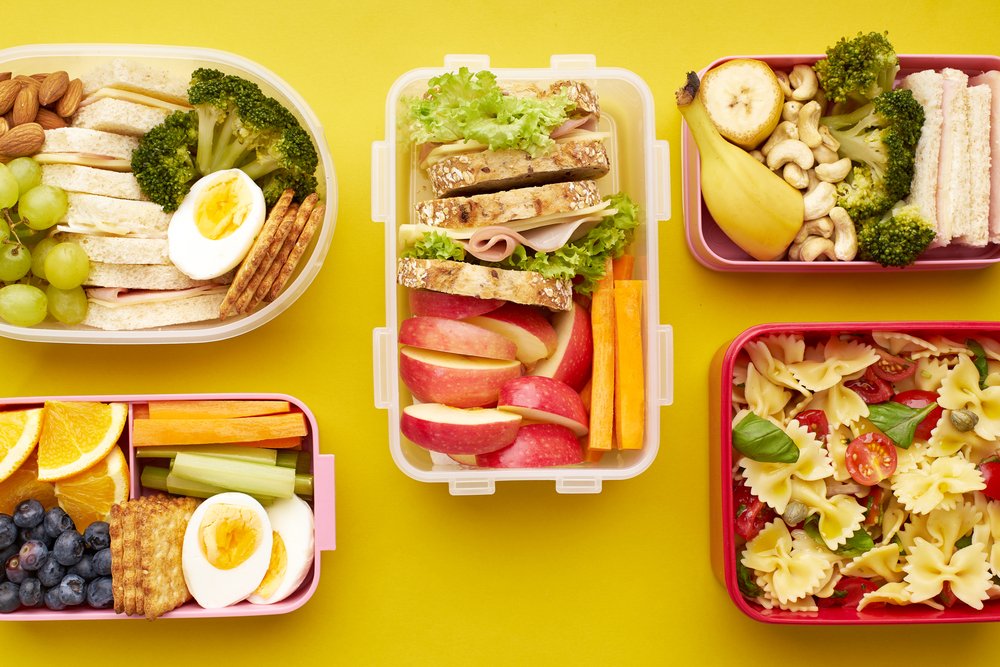
The 7 AM lunchbox panic is a universal parenting experience: staring into the fridge, trying to assemble something your kid will actually eat, that’s vaguely nutritious, won’t get them teased at the lunch table, and doesn’t take 20 minutes you don’t have. If you’re hunting for good lunchbox ideas for school kids that break the sad-sandwich cycle, here’s a full playbook — main dishes, sides, snacks, and the systems that make it sustainable instead of a daily crisis.
The formula for a lunchbox kids actually eat: one protein-rich main they’ll reliably finish, one fruit or vegetable (with dip if needed — dips are magic), one crunchy/salty snack for satisfaction, and one small treat. That structure hits nutrition without requiring culinary creativity at dawn.
What Are Good Lunchbox Ideas for School Kids? Mains That Work
1. DIY lunchables (the undisputed champion)
Crackers, sliced turkey or ham, cheese squares, and some grapes. Kids love the assembly aspect — it’s interactive food. Use a bento-style container with compartments and it looks intentional rather than thrown together. Upgrade the crackers to whole grain and add cucumber rounds; nobody minds.
2. Quesadillas (great cold or room temp)
Cheese quesadillas, bean and cheese, or chicken — cooked the night before, cut into triangles, packed cold. They’re sturdy, don’t get soggy, and taste good at room temperature. Include salsa or guacamole in a small sealed container for dipping.
3. Pasta salad
Cooked pasta (slightly overcooked is actually better here — it stays tender when cold), tossed with Italian dressing, diced peppers, cucumbers, cherry tomatoes, mozzarella pearls, and salami or chickpeas. Make a big batch Sunday; it keeps 4 days and improves as it absorbs the dressing. This is the meal-prep lunchbox MVP.
4. Wraps and pinwheels
Flour tortillas spread with cream cheese or hummus, layered with turkey, lettuce, and shredded carrots, rolled tight and sliced into pinwheels. They hold together, look fun, and the variety of fillings keeps it interesting. Wrap tightly in foil or beeswax wrap so they don’t unroll.
5. Breakfast for lunch
Pancakes (my fluffy pancake recipe makes extras deliberately), mini muffins, or French toast sticks with a small container of syrup. Kids who reject sandwiches often devour breakfast foods at noon. It’s the same nutrition in a more exciting package.
6. Thermos meals (for the hot-food kids)
A preheated thermos (fill with boiling water for 5 minutes, dump, add hot food) keeps things warm until lunch: mac and cheese, hearty soup, fried rice, spaghetti and meatballs, or oatmeal with toppings. This opens up the entire dinner leftovers universe — cook extra at night, thermos it in the morning.
Sides and Snacks: The Supporting Cast
- Fruits that travel well: grapes, apple slices (tossed in lemon water to prevent browning), clementines (peelable = fun), berries in a sealed cup, banana
- Vegetables with dip: baby carrots, snap peas, cucumber rounds, bell pepper strips + hummus or ranch — the dip is non-negotiable for most kids
- Crunchy/salty: popcorn, pretzels, pita chips, cheese crackers, roasted chickpeas
- Protein extras: hard-boiled eggs, cheese sticks, yogurt tubes (freeze them — they thaw by lunch and keep everything cold), nuts (if the school allows)
- The small treat: two cookies, a few chocolate chips, fruit snacks — a little sweetness prevents lunchbox resentment and trading away the healthy stuff
The Sunday Prep System (How to Not Lose Your Mind)
The parents who survive lunchbox season all do some version of this: Sunday: make one big batch item (pasta salad, muffins, or energy bites), wash and chop all vegetables into grab containers, hard-boil half a dozen eggs, portion snacks into small bags. Each evening: assemble tomorrow’s box in 5 minutes while cleaning up dinner — it becomes part of the routine instead of a morning emergency. Keep a running list on the fridge of what worked; when you’re out of ideas, the list decides for you.
Get the kids involved in the Sunday prep — washing fruit, portioning snacks, choosing between two mains. Kids who help pack eat more of what’s packed; it’s the same ownership principle from my baking with kids guide. Even a five-year-old can choose “pasta salad or quesadilla tomorrow?”
Food Safety: The Part That Actually Matters
Lunchboxes sit at room temperature for hours, so safety counts. Use an insulated lunch bag with a freezer pack — it keeps everything safely cold until noon. Perishables (meat, dairy, eggs) shouldn’t sit unrefrigerated more than 2 hours (the USDA’s rule). The frozen yogurt tube trick doubles as an ice pack. And teach kids to toss anything that smells off — when in doubt, throw it out applies to third-graders too.
Dealing With Allergies and School Rules
Many schools are nut-free now, so check your school’s policy before packing peanut butter or trail mix — sunflower seed butter is the standard substitute and most kids accept it. Label everything with your kid’s name (lunchboxes migrate). And if your kid has allergies, communicate with the teacher early in the year; a simple note about what to watch for prevents most incidents.
The Practical Takeaway
Good lunchbox ideas for kids = a reliable protein main (DIY lunchables, quesadillas, pasta salad, wraps, thermos leftovers) + fruit/veg with dip + crunchy snack + small treat, assembled the night before from a Sunday prep session, kept cold with a freezer pack.
Start with the pasta salad this Sunday. Four days of lunches from one pot of pasta — that’s the kind of math busy parents need.
What If Your Kid Won’t Eat What You Pack?
First, diagnose before you overhaul: is the food coming home uneaten, or is it being traded? Ask the teacher what actually happens at lunch — kids who are socializing instead of eating need simpler, faster-to-eat foods, not different foods. If it’s genuine dislike, involve them in choosing: give two acceptable options and let them pick. The “one bite” rule works for dinners but backfires in lunchboxes — pack at least one guaranteed-eaten item so they don’t go hungry. And don’t take it personally when a beloved dinner gets rejected at school; context changes appetite. Peer dynamics, short lunch periods, and cafeteria noise all affect eating. Keep offering variety without pressure, note what comes home empty, and iterate. The lunchbox is a weekly experiment, not a daily referendum on your parenting.


