
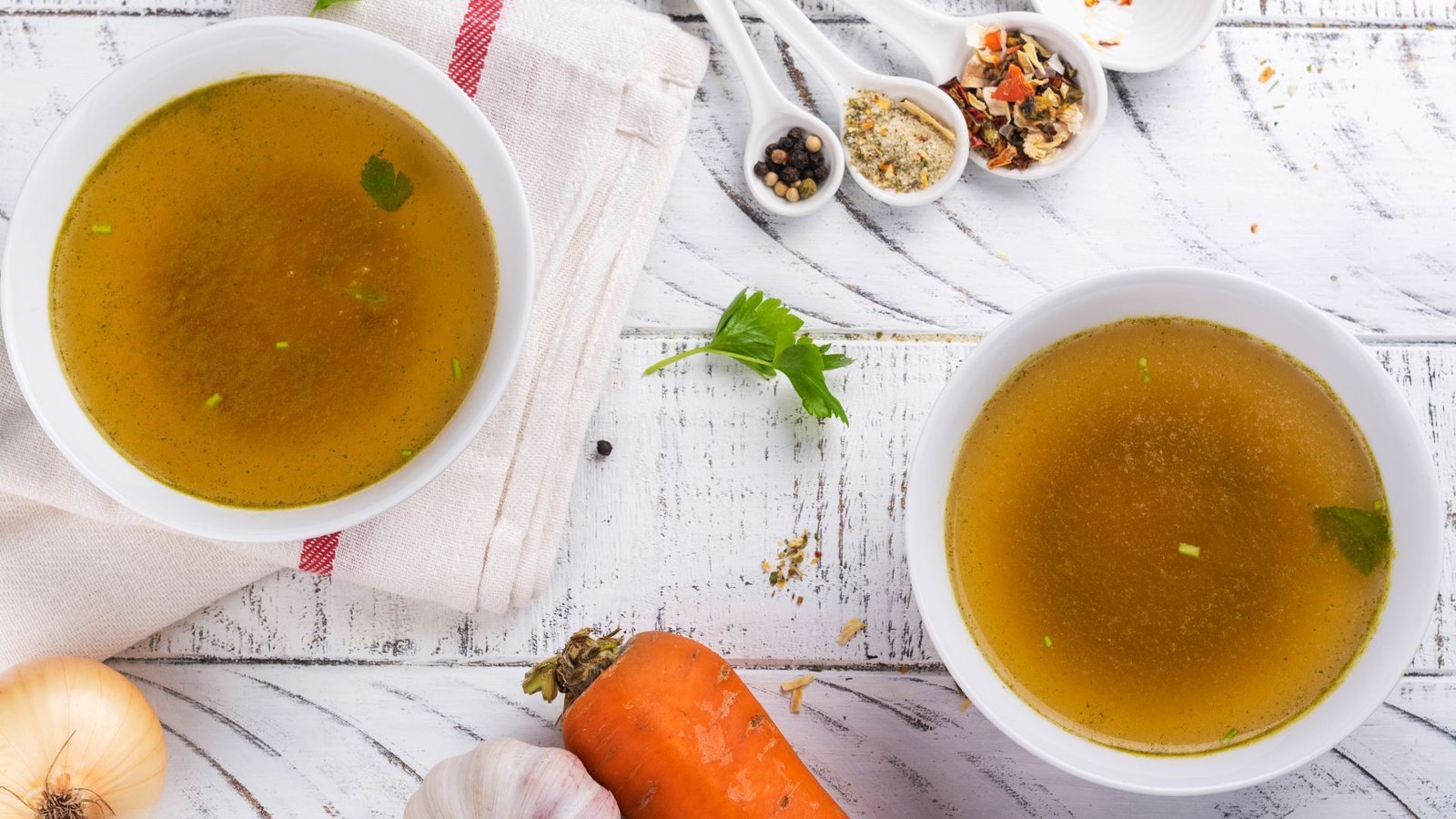
There’s homemade soup that’s thin, watery, and tastes like vaguely vegetable-flavored hot water — and then there’s homemade soup that’s silky, deep, and complex, the kind that makes people ask for the recipe. The difference is rarely the recipe itself. It’s technique. If you’re wondering how to make homemade soup taste richer, here are the methods that transform any soup from bland to restaurant-worthy, whether it’s a simple tomato soup or a complex stew.
Richness in soup comes from a few sources: concentrated flavor (less water, more everything else), fat (carries flavor and creates mouthfeel), umami (the savory depth), and proper seasoning (salt in layers). Every trick below targets one of those.
How to Make Homemade Soup Taste Richer: The Techniques
1. Brown your ingredients first
The single biggest upgrade. Searing meat, caramelizing onions (not just softening — actually browning them), roasting vegetables before they go in the pot — the Maillard reaction creates hundreds of flavor compounds that simmering alone never will. A soup that starts with browned ingredients tastes like it cooked twice as long as one that started with everything raw. For meat soups, brown the meat hard and deglaze the pot with wine or stock, scraping up every browned bit (fond). That’s concentrated flavor gold.
2. Use stock, not water (and good stock)
Water-based soup tastes watery — shocking, I know. Use real stock: homemade if you have it (save carcasses and vegetable scraps — my freezing guide covers stock storage), or quality store-bought. Taste your store-bought stock before using it; some are basically salt water. Better Than Bouillon paste is the widely-loved shortcut — concentrated, flavorful, cheap per serving. Whatever you use, the liquid should taste good on its own before anything else goes in.
3. Add umami bombs
Umami is the savory “fifth taste” that makes food taste deep and satisfying. The secret weapons:
- Tomato paste — cook it in the pot until it darkens before adding liquid; raw tomato paste tastes tinny, caramelized it’s magic
- Soy sauce or miso — a tablespoon in almost any savory soup adds depth nobody can identify
- Parmesan rind — toss one in while simmering (remove before serving); it melts into savory silk
- Dried mushrooms — rehydrated, or just the soaking liquid; intensely savory
- Anchovy paste or fish sauce — a teaspoon disappears into the background, leaving only richness (no fishiness, I promise)
- Worcestershire sauce — the stealth ingredient in countless great soups
4. Finish with fat
A swirl of something rich at the end transforms mouthfeel: heavy cream or coconut milk, a knob of butter stirred in off the heat, good olive oil drizzled over each bowl, a spoonful of pesto, or crispy bacon/chorizo on top. Fat carries flavor to your palate and creates that luxurious coating sensation. This is why restaurant soups taste richer — they’re not shy about finishing fat.
5. Salt in layers, acid at the end
Salt at every stage — the aromatics, the simmer, the finish — not just at the end. Layered salting builds depth; end-only salting tastes flat and then suddenly salty. And the professional secret: a splash of acid at the end. Lemon juice, vinegar, or even pickle brine brightens everything and makes all the other flavors pop. A soup that tastes “missing something” is almost always missing acid, not salt. Taste, add a teaspoon of vinegar, taste again — the transformation is startling.
6. Thicken strategically
Body = richness perception. Options: blend a portion of the soup and stir it back in (free body, no additives), add a potato or some white beans and blend them in (they disappear while adding silkiness), make a quick roux or beurre manié for creamy soups, or reduce the soup by simmering uncovered — less water, more concentrated everything. For creamy soups without cream, blended cauliflower or cashews (soaked) create remarkable silkiness.
7. Simmer low, don’t boil hard
A rolling boil emulsifies fat into the broth (cloudy, greasy) and toughens meat. A gentle simmer — lazy bubbles — extracts flavor cleanly and keeps the broth clear and the meat tender. Patience here is a flavor technique, not just a virtue.
8. Fresh herbs at the end, not the beginning
Delicate herbs (parsley, cilantro, basil, dill) lose their brightness in long simmers — stir them in off the heat just before serving. Hardy herbs (thyme, rosemary, bay, oregano) go in early to infuse. Getting this backwards is why some soups taste muddy instead of vibrant.
Applying It: Three Soup Makeovers
Basic chicken soup → rich: Brown the chicken pieces first. Caramelize the onions deeply. Use real stock. Add a parmesan rind and a splash of soy sauce. Finish with lemon juice and fresh dill. Same ingredients, twice the soup.
Canned tomato soup → luxurious: Sauté onion and garlic in butter, caramelize tomato paste, add the canned soup plus a cup of stock, simmer 15 minutes, blend with a handful of basil, finish with cream and a grilled cheese crouton. Ten extra minutes, restaurant result.
Vegetable soup → hearty: Roast the vegetables first (caramelization!). Use mushroom stock. Add white beans for body. Finish with pesto and parmesan. It’ll eat like a meal, not a side.
These principles also power my slow cooker soups — the browning step matters even more there, since the cooker itself can’t create it.
Storing and Reheating (Soup Gets Better)
Most soups genuinely improve overnight — the flavors marry and deepen. Make a big pot, refrigerate, and eat it for days. It freezes beautifully too (see my freezing guide). Reheat gently — hard boiling ruins the texture you worked to build. Add fresh herbs and the acid splash after reheating, not before storing, so they stay bright.
The Practical Takeaway
Richer homemade soup = brown ingredients first + real stock + umami bombs (tomato paste, soy, parmesan rind) + finishing fat + salt in layers + acid at the end + gentle simmer + fresh herbs last. Eight techniques, applicable to literally any soup.
Try just three of them on your next pot — browned aromatics, a parmesan rind, and the vinegar finish — and taste the difference. You’ll never make thin soup again.
To understand the stocks and sauces behind great soup, the Wikipedia entry on stock is a surprisingly thorough primer on what makes a good base.


