
Just bought a house? Congratulations — and welcome to the endless list. The good news: you don’t need to be handy to start improving your home. So what are easy DIY projects for beginner homeowners? The best starter projects share three traits: they’re hard to mess up badly, they need only basic tools, and they deliver visible results that build your confidence. Here are 12, ordered from “do this Saturday” to “weekend project.”
Start Here: The Confidence Builders
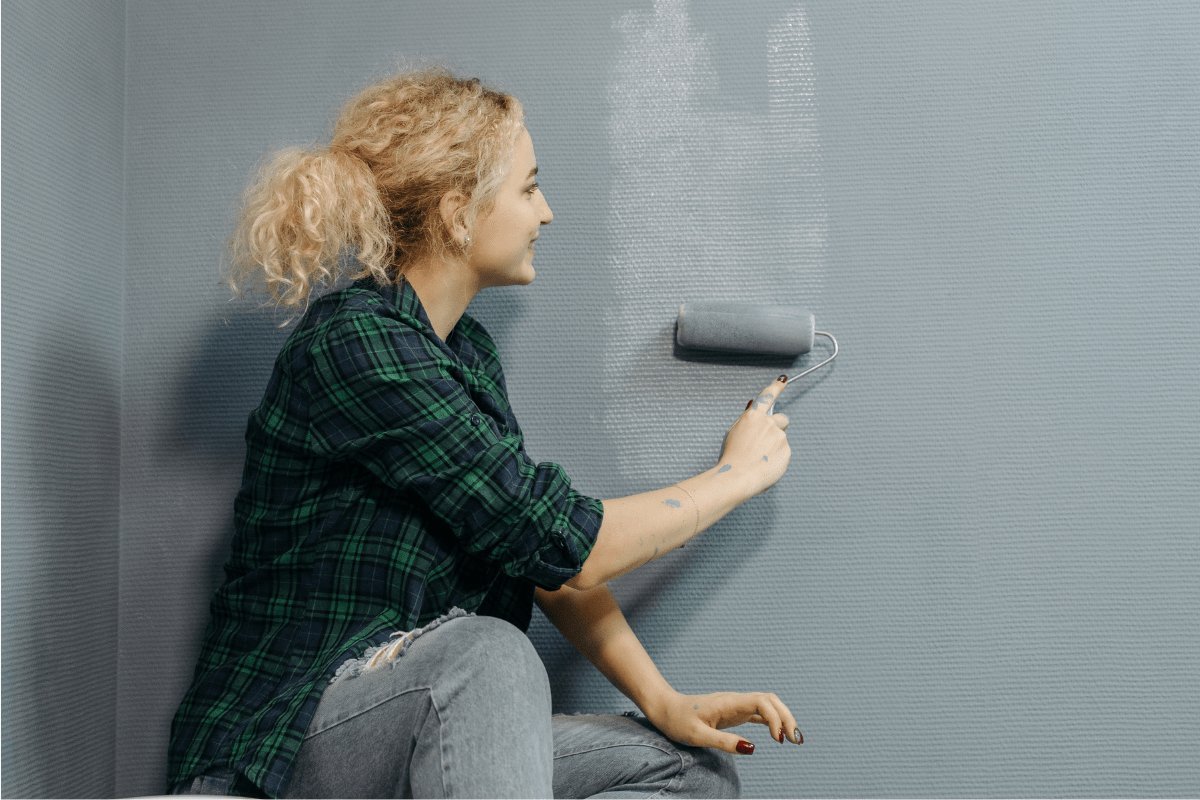
1. Paint a room
The gateway DIY. A bedroom or bathroom takes a weekend, costs $100–$200, and transforms the space completely. You’ll learn cutting in, rolling technique, and taping — skills that transfer to every future project. Mistakes? It’s paint. You paint over them. If you’re hiring out bigger rooms, knowing what professional painting costs helps you decide where DIY makes sense.
2. Replace cabinet hardware
Unscrew old knobs, screw on new ones. Thirty minutes per kitchen, instant modernization, zero skill required. Just measure hole spacing before buying.
3. Install a smart thermostat
Most models (Nest, Ecobee) are designed for DIY with step-by-step app guidance. Low-voltage wiring, clearly labeled — and you’ll save on energy bills immediately. See which smart thermostat saves the most money before buying.
4. Caulk the bathroom
Scrape out gross old caulk, apply fresh silicone with a $15 dripless caulk gun, smooth with a wet finger. An hour’s work that makes the bathroom look renovated. Watch one video first; the technique matters more than strength.
5. Change all the light switch and outlet covers
Yellowed plastic covers date a house instantly. New ones cost $1–$3 each and install with a single screw. Do the whole house in an afternoon.
Level Up: Weekend Projects
6. Patch drywall holes
Every home has them. A $10 patch kit, joint compound, and sandpaper — follow the step-by-step patching guide and you’ll get invisible repairs on the first try. Immensely satisfying.
7. Install shelving
Floating shelves in a living room or pantry: find studs, level, drill, mount. You’ll use your stud finder, level, and drill — the holy trinity of homeowner tools. Start with a closet or garage to practice before the living room.
8. Replace a faucet
Kitchen or bathroom faucet swaps are 30–60 minute jobs: shut off water, disconnect supply lines, swap, reconnect. The hardest part is the awkward position under the sink. A $100 faucet makes the whole sink area look new.
9. Add peel-and-stick backsplash
Modern peel-and-stick tile looks remarkably real and installs with scissors and patience. A kitchen backsplash in a weekend, no wet saw, no mortar, no regrets.
10. Weatherstrip doors and windows
Adhesive foam tape and door sweeps: $30 total, an afternoon, and measurably lower energy bills. You’ll feel the difference the first windy night. Pair with sealing drafty windows for the full treatment.
Stretch Goals: Build Real Skills
11. Build a raised garden bed
Four boards, some screws, soil. A Saturday project that teaches measuring, cutting, and basic assembly — and you get vegetables. Here’s the full build guide.
12. Install laminate or vinyl plank flooring in one room
Click-lock flooring is the most beginner-friendly flooring ever made: no glue, no nails, just measure, cut, click. A bedroom in a weekend. Start small, watch your expansion gaps, and you’ll be shocked at the result.
What Are Easy DIY Projects for Beginner Homeowners? Rules for Success
- Start with your basic toolkit. You need less than you think: drill, level, tape measure, putty knife, and safety gear cover most of this list.
- Watch three videos, not one. Different creators show different gotchas. Fifteen minutes of research prevents hours of mistakes.
- Buy 10% extra material. The extra $10 saves the mid-project hardware store run that kills momentum.
- Know when to stop. If you open a wall and find knob-and-tube wiring, stop. If the “simple” plumbing fix reveals corroded pipes, stop. Beginners finish projects; pros know when a project changed categories.
- Finish one before starting the next. Half-done projects multiply stress. The list will still be there.
Home Depot’s DIY workshops (many free, in-store and online) are excellent for hands-on learning if you want guided practice before tackling your own walls.
The Weekend Warrior’s Project Calendar
Knowing easy projects is one thing — actually doing them is another. Here’s a realistic 12-weekend starter calendar that builds skills in order:
- Weekends 1–2: Paint a room. The confidence builder. One bedroom, one weekend. You’ll learn cutting in, rolling, and living with your mistakes (which are always fixable).
- Weekends 3–4: Upgrade lighting. Swap dated fixtures, add dimmers, install under-cabinet LEDs. Electrical confidence without opening a panel.
- Weekends 5–6: Caulk and seal. Bathrooms, kitchen, windows, exterior trim. Unsexy, cheap, and transformative — plus it teaches you to really look at your house.
- Weekends 7–8: Hardware refresh. Cabinet pulls, door handles, switch plates, faucets. The jewelry phase — small changes, outsized visual impact.
- Weekends 9–10: Patch and repair drywall. Fix every dent, hole, and crack you’ve been ignoring, then touch up paint. Walls you stop noticing are the goal.
- Weekends 11–12: Build something. Shelves, a planter box, a simple bench. Your first real build — the skills from the previous ten weekends all converge here.
The rules that keep it fun: one project at a time (unfinished projects multiply stress), budget 50% more time than YouTube suggests, and quit while you’re ahead each day — tired DIYers make the mistakes that turn a $50 project into a $500 repair. After twelve weekends you won’t be a contractor, but you’ll be something better: a homeowner who isn’t afraid of their own house. And every project after that gets easier, because the hardest part of DIY was never the skill — it was starting.
The Practical Takeaway
Beginner DIY is about momentum: start with paint, hardware swaps, and caulking — projects where mistakes are cheap and results are immediate. Graduate to drywall patching, shelving, and faucet swaps as confidence builds. Each project teaches tools and techniques that compound; by project six, you’ll look at your home completely differently. The secret nobody tells new homeowners: “handy” isn’t a talent, it’s just a collection of finished projects. Start this weekend.


