How to Raise PH in Soil: Step-by-Step Guide (2026)
Raise soil pH with garden lime: 5–10 lbs per 100 sq ft raises pH ~0.5–1.0 point. Step-by-step guide with lime types, timing, and rates by soil type.
Written by admin
Published November 4, 2026
Reading time 4 minutes
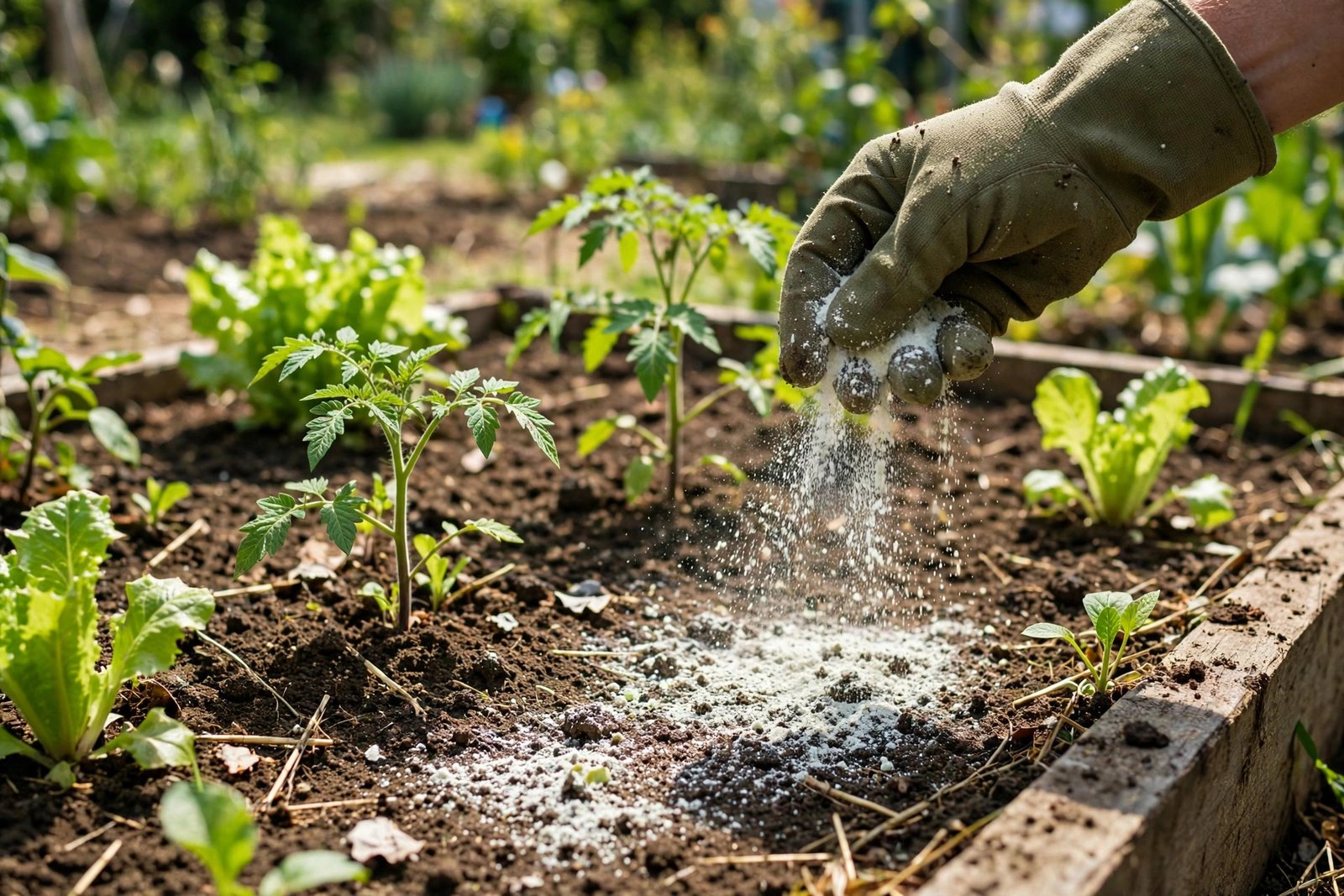
How to Raise PH in Soil: Step-by-Step Guide (2026)
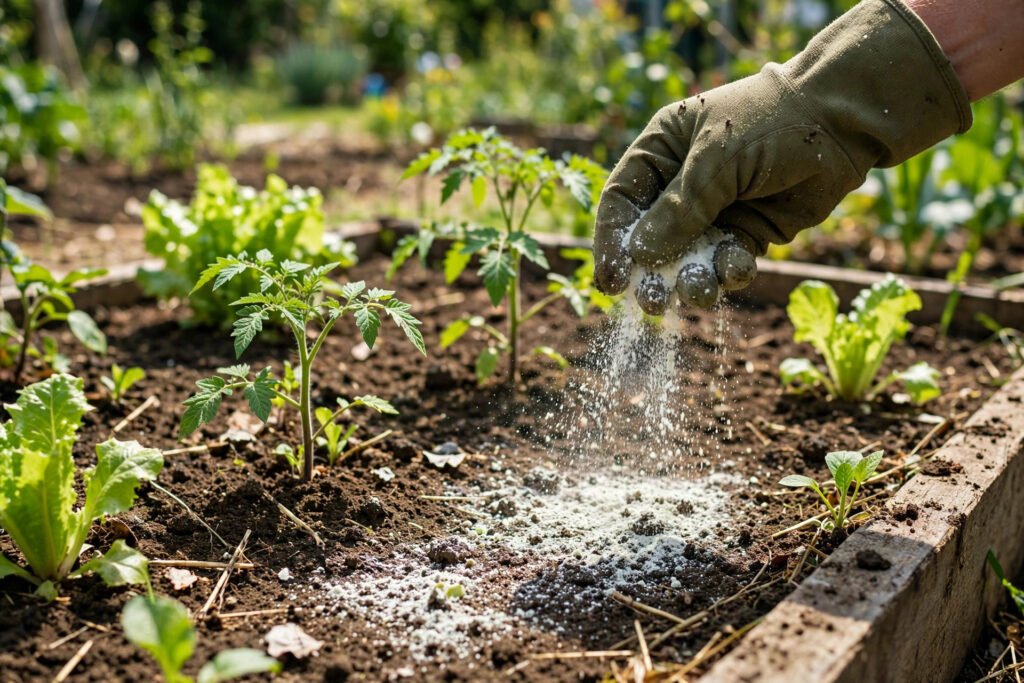
To raise pH in soil (make it less acidic), apply garden lime — either calcitic or dolomitic limestone. As a general rule, 5–10 pounds of ground limestone per 100 square feet raises soil pH by about 0.5–1.0 point, depending on soil type. Always start with a soil test, apply lime in fall or early spring, water it in, and retest after 2–3 months since lime works slowly.
Most vegetables, lawns, and ornamentals thrive at a pH of 6.0–7.0. If your soil tests below that, plants struggle to absorb nutrients even when fertilizer is present. Here’s how to fix acidic soil correctly — without overshooting into alkaline territory.
Step 1: Test Your Soil First (Don’t Skip This)
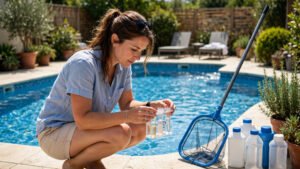
Lime rates depend entirely on your current pH and soil texture, so guessing wastes money and risks over-liming. Options:
- Cooperative Extension soil test (recommended): inexpensive (often $10–$20), accurate, and includes a specific lime recommendation for your soil type. Every state has one — New York gardeners can use Cornell Cooperative Extension.
- Home test kit or digital pH meter: faster and fine for a rough reading, but less precise.
Test each distinct garden area separately — your lawn, vegetable beds, and flower borders can all differ.
Step 2: Choose the Right Lime
- Calcitic lime (calcium carbonate): raises pH and adds calcium. Use when a soil test shows adequate magnesium.
- Dolomitic lime (calcium-magnesium carbonate): raises pH and adds both calcium and magnesium. Best when magnesium is also low — common in sandy soils.
- Pelletized lime: same chemistry, pressed into easy-to-spread pellets. Costs more but spreads evenly with a broadcast spreader and creates less dust. Ideal for lawns.
- Hydrated (slaked) lime: acts fast but is caustic, easy to over-apply, and can burn plants. Generally not recommended for home gardeners.
- Wood ash: a mild alternative (roughly half the strength of lime) that also adds potassium. Use sparingly — no more than about 10–15 lbs per 100 sq ft per year.
Step 3: Calculate How Much Lime to Apply
Typical rates of ground limestone to raise pH by about 1.0 point (e.g., 5.5 → 6.5):
- Sandy soil: ~25–30 lbs per 1,000 sq ft
- Loam soil: ~50–75 lbs per 1,000 sq ft
- Clay soil: ~75–100 lbs per 1,000 sq ft (clay resists pH change and needs more)
Per 100 square feet, that’s roughly 3–10 lbs depending on soil type. Never apply more than 50 lbs per 1,000 sq ft in a single application — if you need more, split it into two applications 2–3 months apart.
Step 4: Apply at the Right Time
Fall is the best time to lime. Lime reacts slowly — ground limestone needs 2–3 months (sometimes 6+) to fully affect pH — so a fall application has all winter to work before spring planting. Early spring is the second-best option. Avoid liming right before planting acid-lovers or at the same time as nitrogen fertilizers (apply those a few weeks apart).
Step 5: Spread Evenly and Water In
- Mow or clear the area short so lime reaches the soil.
- Spread half the lime walking in one direction, then the other half at right angles — this ensures even coverage.
- For garden beds, lightly rake or till it into the top 2–3 inches.
- Water thoroughly afterward (or time it before rain) to start the reaction.
Step 6: Retest and Adjust
Wait at least 2–3 months, then test again. Lime keeps working for months, so don’t rush a second application. Adjust your long-term plan based on the new reading — most soils need re-liming only every 2–4 years.
Which Plants Actually Need Higher pH?
Don’t lime everything blindly. Plants that prefer neutral to slightly alkaline soil (6.5–7.5) include most vegetables (especially brassicas like cabbage and broccoli), lawn grasses, lilacs, and clematis. Never lime acid-loving plants — blueberries, azaleas, rhododendrons, and hydrangeas (for blue blooms) want pH 4.5–5.5, and liming near them causes yellowing and decline.
Mistakes to Avoid
- Liming without a soil test. The #1 mistake — you can easily push pH too high, and lowering pH again is much harder than raising it.
- Applying too much at once. Over-liming locks out iron, manganese, and other micronutrients, causing yellow, stunted plants. Split large doses.
- Expecting instant results. Pelletized and ground lime take months. If you need faster correction, that’s a sign to plan ahead next season.
- Mixing lime with fertilizer. Applying lime and ammonium-based fertilizers together causes nitrogen loss as ammonia gas. Separate by 2–4 weeks.
- Liming the whole yard uniformly. Keep lime away from acid-loving plantings.
FAQs
How long does it take for lime to raise soil pH?
Ground limestone typically takes 2–3 months to show a measurable change, with full effect in 6–12 months. Finely ground and pelletized lime react faster than coarse agricultural lime. That’s why fall application is ideal.
Can I use baking soda to raise soil pH?
Not effectively. Baking soda adds sodium, which damages soil structure, and its effect is tiny and temporary. Use proper garden lime — it’s cheap and designed for the job.
How do I know if my soil is too acidic?
Signs include moss taking over lawns, poor plant growth despite fertilizing, and certain weeds (sorrel, plantain) thriving. A soil test gives you the definitive number — most plants want 6.0–7.0.
Is dolomitic or calcitic lime better?
It depends on your magnesium levels. If a soil test shows low magnesium, use dolomitic lime. If magnesium is fine, calcitic lime avoids excess magnesium buildup. When in doubt, follow your soil test report’s recommendation.
Can you over-lime soil?
Yes, and it’s a real problem — excess lime pushes pH above 7.5, locking out iron and micronutrients and causing chlorosis (yellow leaves). It’s slow and difficult to reverse, which is why testing first and splitting large applications matters.