
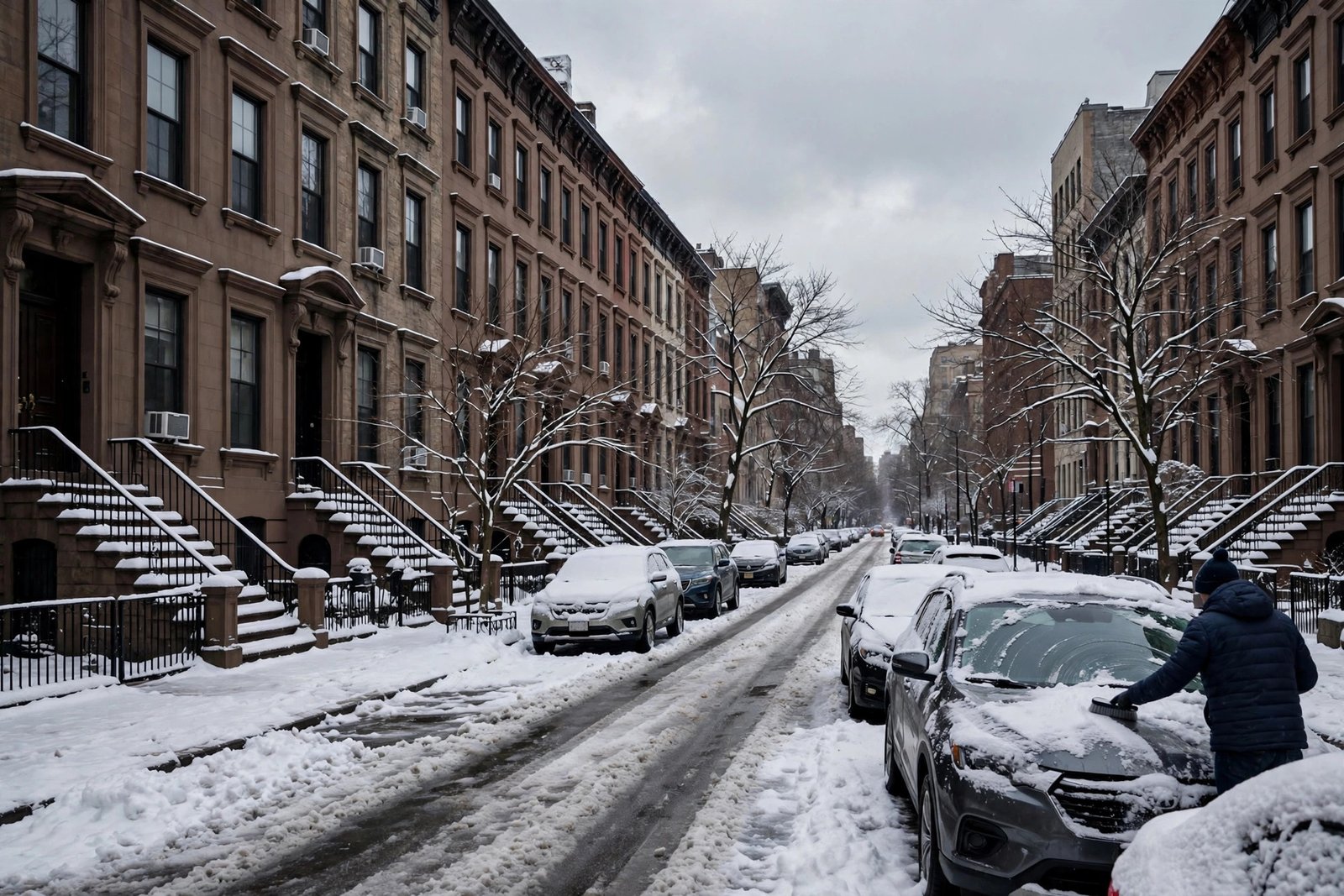
Owning a car in New York City without a garage is an exercise in creative problem-solving. Your vehicle lives on the street through nor’easters, summer heat waves, alternate-side-parking shuffles, and the occasional mysterious dent. And yet hundreds of thousands of New Yorkers do exactly this, keeping their cars reliable for years without ever seeing the inside of a private garage. The secret isn’t luck — it’s a maintenance discipline adapted to street-parking reality: protecting the car from the elements, staying ahead of the wear that city driving inflicts, and knowing which services to outsource. Here’s how to keep your car running strong with nothing but a curb, a calendar, and some street smarts.
Why NYC street parking is brutal on cars (and what to do about it)
City street parking subjects cars to a specific gauntlet. Stop-and-go traffic and short trips prevent the engine from fully warming up, which accelerates wear and contaminates oil faster. Potholes — a notorious NYC specialty — punish suspensions, alignment, and tires. Road salt in winter corrodes the undercarriage. Summer sun bakes interiors and degrades rubber seals. And parallel-parking life means bumpers take abuse that suburban garage cars never see.
The defense starts with accepting that your maintenance schedule needs to be city-calibrated, not manual-calibrated. Oil changes on the severe-service interval (typically 3,000–5,000 miles for conventional wisdom, or follow your car’s severe-service spec), more frequent brake inspections, and alignment checks twice a year instead of “when it feels off.” An ounce of scheduled prevention genuinely beats a pound of Midtown-tow-truck cure.
The street-parker’s essential kit
Without a garage, your trunk becomes your workshop. Assemble a kit: a quality all-weather car cover (for extended street stays during travel or snow season), a portable jump starter (far better than jumper cables when you’re double-parked at midnight), a tire inflator that plugs into the 12V outlet, basic tools, a flashlight, washer fluid, and a small snow brush/ice scraper that lives in the car from November to April. Add a sunshade for summer — it dramatically reduces interior heat damage and dashboard cracking.
Two investments pay for themselves fast: all-weather floor mats (NYC slush destroys carpet) and a steering-wheel lock or visible deterrent. Neither is glamorous; both save real money. And keep your insurance and registration documents photographed on your phone — street-parked cars get ticketed and towed more often, and having paperwork accessible smooths every interaction.
Mastering alternate-side parking without losing your mind
Alternate-side parking (ASP) is the defining ritual of NYC car ownership: moving your car for street cleaning, often twice a week, on a schedule that varies by block. The system is learnable. First, memorize your block’s specific days and times — they differ even between sides of the same street. Second, use the city’s suspension calendar: ASP is suspended on dozens of holidays and during snow emergencies, and moving your car on a suspended day is pure wasted effort. Third, develop a “double-park and wait” strategy where legal: on many blocks, drivers double-park during the cleaning window and move back after the sweeper passes, which beats circling for 90 minutes.
Build ASP into your routine rather than fighting it — pair it with a morning coffee run or gym trip. And set phone alarms, not just calendar entries; the $65 ticket for forgetting is an expensive snooze button. If ASP is destroying your quality of life, honestly evaluate whether you need the car at all — getting around New York City without a car is often cheaper than ownership, and making your daily commute more enjoyable by train might beat the ASP grind entirely.
Winter survival for a garageless car
NYC winters are where street-parked cars go to suffer, so winterize deliberately. Switch to winter-grade washer fluid (rated to -20°F) before the first freeze. Keep the gas tank at least half full to prevent fuel-line freeze and to ensure you can idle for heat if stranded. Test the battery before December — cold kills weak batteries, and most auto-parts stores test free. Consider winter tires if you drive regularly in snow; all-seasons are a compromise that compromises most in the season you need grip.
After snowstorms, clear the entire car — roof included — not just a windshield porthole; flying snow slabs endanger everyone and earn tickets. Brush snow away from the exhaust pipe before starting the car to avoid carbon monoxide buildup. And wash the undercarriage periodically through winter: road salt is the silent killer of NYC cars, and a $15 undercarriage wash every few weeks adds years to brake lines, fuel lines, and subframes.
Finding honest service without a “guy”
Garage owners often have a trusted mechanic; street parkers need to find one deliberately. Skip dealerships for routine work — their labor rates run 40–60% above independents. Look for independent shops with strong recent reviews mentioning honest diagnostics, and favor shops that show you the old parts and explain before replacing. Build the relationship with small jobs (oil changes, inspections) before you need a big one; a mechanic who knows your car’s history diagnoses faster and fairer.
Learn the maintenance you can do curbside: checking fluids, replacing wiper blades, changing air filters, and swapping a battery are all 15-minute jobs that save hundreds annually. YouTube has model-specific walkthroughs for nearly everything. The National Highway Traffic Safety Administration maintains recall and safety information worth checking periodically — outstanding recalls are fixed free at dealers regardless of where you normally service.
Protecting the car from the city itself
Beyond maintenance, street survival means defense. Park under streetlights when possible and avoid leaving visible valuables — the classic advice exists because it works. Fold mirrors in tight spots. Document your car’s condition with dated photos; when the inevitable mystery dent appears, you’ll know whether it was already there. Consider dashcam coverage — front and rear cameras have resolved countless parking disputes and hit-and-runs for NYC drivers.
Rust is the long-term enemy: inspect wheel wells and the undercarriage annually, touch up paint chips promptly (a $15 touch-up pen prevents a $500 rust repair), and address any bubbling immediately. Check FuelEconomy’s maintenance guidance for keeping your car efficient — a well-maintained engine also pollutes less, which matters in a city that breathes its traffic.
The real cost check: is it worth it?
Periodically run the full ownership math: insurance (high in NYC), tickets (budget for some), maintenance, gas, and the time cost of ASP. For many New Yorkers the car earns its keep — weekend escapes, family visits, jobs in transit deserts. For others, the numbers reveal that rentals for occasional trips plus transit would cost half as much. There’s no shame in either answer; there’s only the waste of paying for a car you resent. Revisit the question yearly — your life changes, and the math changes with it.
Conclusion
Keeping a car running in NYC without a garage comes down to disciplined, city-calibrated maintenance: severe-service oil changes, winter preparation, rust prevention, a trunk full of the right gear, and a trusted independent mechanic. Master alternate-side parking instead of fighting it, protect the car from salt and sun, and do the small jobs yourself. Thousands of New Yorkers keep decade-old cars reliable on nothing but street parking and diligence — with the right habits, yours can be one of them.
Frequently Asked Questions
How often should I change oil if I street park in NYC?
Follow the severe-service interval in your owner’s manual — typically every 3,000–5,000 miles for conventional oil or 5,000–7,500 for synthetic. Short trips and stop-and-go traffic qualify as severe service.
Do I need winter tires in New York City?
If you drive regularly through winter, yes — winter tires dramatically outperform all-seasons below 45°F on snow and ice. If the car mostly sits parked in winter, quality all-seasons suffice.
How do I prevent rust on a street-parked car?
Wash the undercarriage every few weeks in winter to remove road salt, touch up paint chips promptly, and inspect wheel wells annually. Salt is the primary rust accelerator for NYC cars.
Is owning a car in NYC worth it without a garage?
It depends on your use case. Regular weekend trips, family outside the city, or jobs in transit deserts justify it; occasional use usually doesn’t — compare total ownership costs against rentals plus transit before deciding.