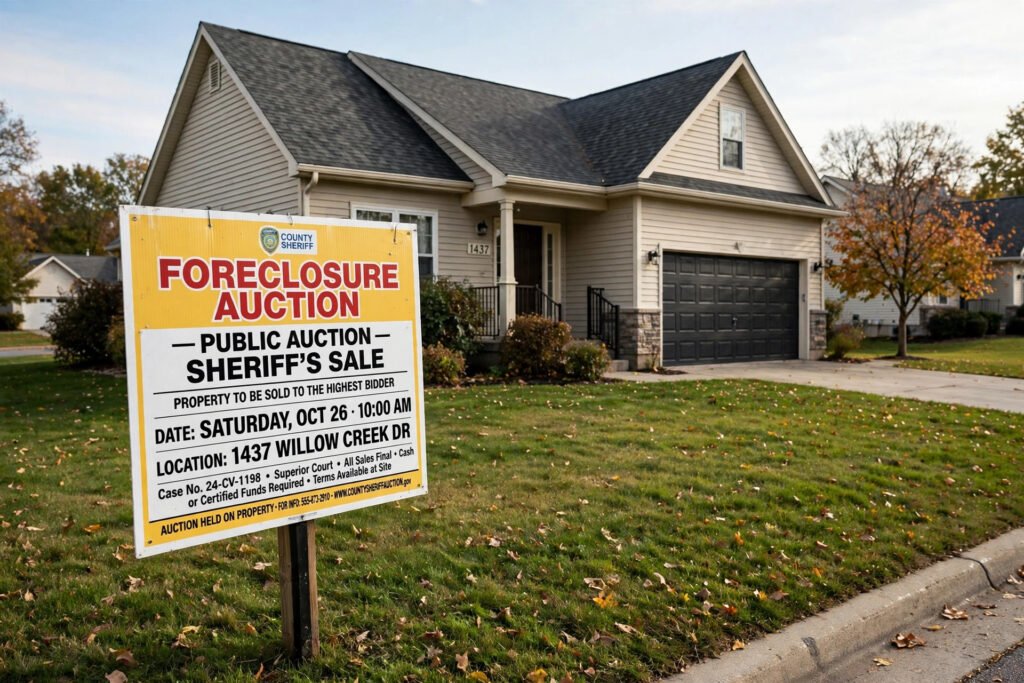

Breaking a lease early in New York is one of the most stressful situations a renter can face — a job relocation, a breakup, a growing family, or simply an apartment that turned out to be a mistake. The good news: New York law gives tenants more options than most realize, and in practice, landlords would usually rather negotiate than litigate. This guide covers every legal path out of a lease, what each costs, and how to negotiate your exit.
First: read your lease (the answer is usually in there)
Before anything else, read your lease’s early-termination clause. Many NYC leases include one: typically 1–3 months’ rent as a buyout fee, sometimes with 30–60 days’ notice required. If yours has one, that is your price — pay it, give notice in writing, and you are done. No clause? You still have options. Also check for: subletting provisions (some leases allow it freely, others require landlord consent “not unreasonably withheld”), assignment clauses, and any military-service provisions. Photograph or save every page — you will reference it throughout this process. If your lease is unclear on key terms, our overview of apartment lease rules explains the clauses that matter most.
Your legal rights: what New York law actually says
The landlord’s duty to mitigate (RPL § 235-e / Real Property Law 235): this is your most important protection. If you vacate early, the landlord must make reasonable efforts to re-rent the unit — they cannot simply leave it empty and bill you for the remaining months. In NYC’s tight market, units typically re-rent in weeks, which caps your real exposure. Document your move-out date and keep evidence you surrendered the unit cleanly.
Lease assignment: under RPL § 226-c, you have the right to request assignment of your lease to a qualified replacement tenant. If the landlord unreasonably withholds consent, you may be released from the lease 30 days after your request. This is powerful but underused — find a qualified candidate yourself and the landlord’s options narrow.
Subletting: RPL § 226-c also governs sublets: you can sublet with landlord consent (which cannot be unreasonably withheld for rent-stabilized and many other tenancies). A sublet keeps you on the hook as the primary tenant, so vet subletters carefully.
Special protections: active military members can terminate under the Servicemembers Civil Relief Act with 30 days’ notice; domestic violence survivors have specific early-termination rights under NY law; seniors relocating to care facilities have protections; and uninhabitable conditions (no heat, vermin infestations the landlord will not fix) can justify lease termination — but document everything and consult a tenant attorney before relying on this. The NYC Tenant Survival Guide from the city is the official reference for these rights, and the NY Attorney General’s tenant rights hub explains them in plain language.
The practical paths out (ranked by cost)
1. Negotiate a buyout (cheapest when it works)
Many landlords — especially smaller ones — will accept 1–2 months’ rent to release you, because re-renting in this market is easy and litigation is expensive. Approach with a proposal, not a plea: “I need to leave by [date]; I will pay [X] and leave the unit in excellent condition, and I can show it to prospective tenants.” Get any agreement in writing — a verbal “sure, no problem” is worth nothing if they later sue for the balance. Written release, signed by both parties, or it did not happen.
2. Find a replacement tenant yourself
List the apartment (with the landlord’s knowledge), screen candidates to the landlord’s standards, and present a qualified replacement. In this market, a fairly priced unit finds takers fast — and a landlord who rejects a qualified candidate weakens any later claim against you, thanks to the duty to mitigate. Offer to facilitate showings; make it easy for the landlord to say yes.
3. Sublet the remaining term
If you cannot get a clean break, subletting covers the rent while keeping you legally responsible. Price it fairly, vet thoroughly (credit and background checks are standard), and use a written sublet agreement. Risk: if your subletter stops paying, the landlord comes after you.
4. Use the assignment right formally
Send a written assignment request with your proposed assignee’s full application package. If the landlord unreasonably refuses or ignores you for 30 days, you may be released. Consult a tenant attorney before relying on this — the procedural details matter.
5. Walk away and rely on mitigation (last resort)
If negotiation fails, you can vacate, return the keys with written notice, and rely on the landlord’s duty to mitigate. In NYC’s market, your actual liability is usually 1–3 months’ vacancy — but the landlord can sue for the balance, and an unpaid judgment harms your credit and future rental applications. Use this path with eyes open, ideally with legal advice.
What it will cost: realistic numbers
Best case: a negotiated 1-month buyout, or a replacement tenant found in two weeks (you pay ~2 weeks’ rent plus listing effort). Typical: 1–3 months’ rent total exposure between buyout, vacancy, and fees. Worst case: the landlord sues for the full remaining term minus mitigated re-rental — rare in NYC’s market, but legally possible, which is why written agreements matter. Do not forget: you are still liable for damage beyond normal wear, and losing your security deposit is separate from lease-break liability. Moving itself costs money too — and relocating is emotionally taxing; our guide to dealing with loneliness in a new city helps if the move takes you somewhere unfamiliar. If you need temporary housing between leases, finding affordable hotels in expensive cities covers the gap-night strategies.
Protecting your record and deposit
Leave the apartment spotless — “broom clean” minimum, ideally better. Photograph everything with timestamps. Return all keys and fobs with a written surrender letter stating the date. Request your security deposit back in writing; NY law requires return within 14 days with an itemized statement of any deductions. If the landlord withholds unreasonably, you can sue in small claims court for up to twice the deposit. And keep every communication in writing from the moment you decide to leave — texts and emails, not phone calls. Paper trails win disputes.
Conclusion
Breaking a lease early in New York is manageable: start with your lease’s termination clause, know your rights (the duty to mitigate, assignment, and subletting protections), negotiate a buyout or find a replacement tenant, get everything in writing, and leave the unit in great shape. Most lease breaks resolve for 1–3 months’ rent — not the catastrophic full-term liability renters fear. The landlords who sue for everything are the exception in a market where units re-rent in weeks. Be professional, be documented, and move on with your life.
Frequently Asked Questions
Can I break my lease early in NYC without penalty?
There is no penalty-free universal right, but you have strong options: lease termination clauses (often 1–3 months’ fee), negotiated buyouts, finding a replacement tenant, assignment rights, and the landlord’s legal duty to mitigate damages by re-renting.
How much does it cost to break a lease in New York?
Typically 1–3 months’ rent in practice — via buyout fees, vacancy periods, or negotiated settlements. The landlord’s duty to mitigate usually caps exposure well below the full remaining term in NYC’s tight market.
Can my landlord sue me for breaking a lease?
Yes, for unpaid rent through the lease term — but they must mitigate by making reasonable efforts to re-rent, and can only recover actual losses. Lawsuits for the full balance are rare when units re-rent quickly.
Does breaking a lease hurt my credit?
Only if unpaid rent goes to collections or results in a court judgment. A negotiated, documented exit with all rent paid does not damage your credit.
Can I sublet my apartment to get out of a lease?
Often yes — NY law (RPL § 226-c) gives many tenants sublet rights with landlord consent that cannot be unreasonably withheld. You remain liable as the primary tenant, so vet subletters carefully and use a written agreement.