How do You Prepare for a Snow Storm: What You Need to Know
New York winter is coming. Learn how to prepare for a snow storm with our NYC-ready checklist: supplies, home prep, car safety, and what to do when it hits.
Written by admin
Published October 20, 2026
Reading time 6 minutes

How do You Prepare for a Snow Storm: What You Need to Know
A major snowstorm can shut down a city for days, knock out power, and make travel impossible — but a little preparation turns it from an emergency into an inconvenience. The short answer: stock three days of food, water, and medications; charge your devices and gather flashlights and batteries; winterize your home against frozen pipes and heat loss; get your car ready or plan not to drive; and know your city’s snow rules. In New York City, that also means knowing alternate-side parking suspensions and your sidewalk-shoveling obligations.
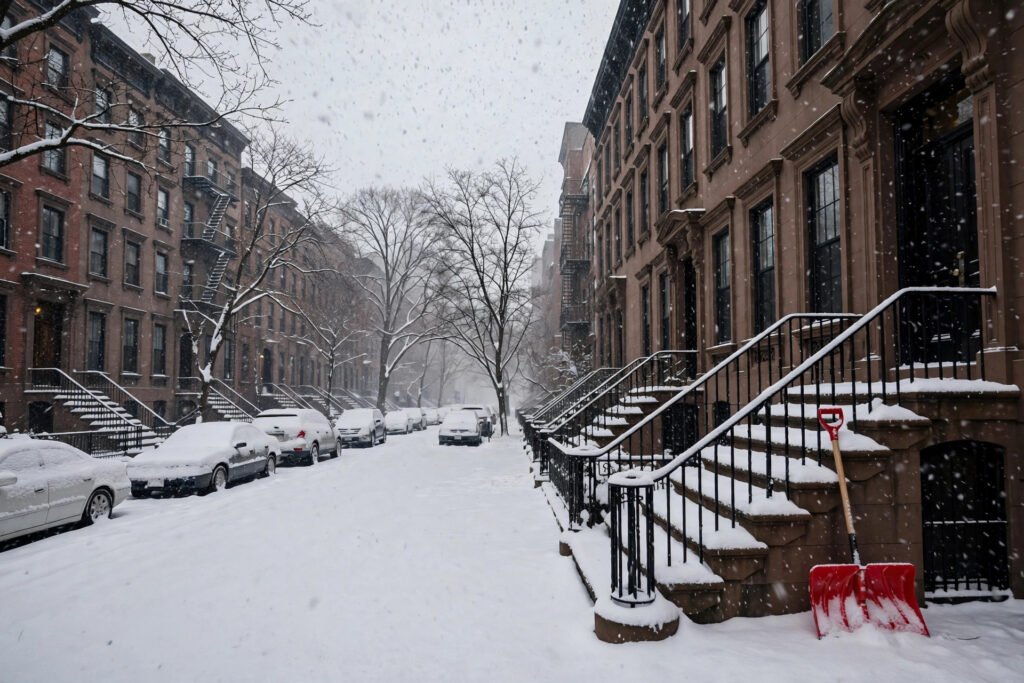
NYC averages around 25 inches of snow per winter, and nor’easters can dump a foot or more in a single day, paralyzing subways, buses, and streets. Whether you are in a Manhattan high-rise or a Queens two-family home, here is how to get ready before the flakes start falling.
Build Your Emergency Supply Kit
Assume you could be stuck home for 72 hours without power or open stores:
- Water: One gallon per person per day for three days.
- Food: Three days of non-perishable food — canned goods, peanut butter, crackers, granola bars, dried fruit. Include a manual can opener.
- Medications: A week’s supply of prescriptions, plus basics like pain relievers, cold medicine, and any medical devices with charged batteries.
- Light and power: Flashlights, lanterns, and plenty of batteries. Avoid candles if you can — they are a leading cause of winter house fires.
- Warmth: Extra blankets, sleeping bags, and warm clothing layers.
- Phone and radio: A portable phone charger or power bank, fully charged. A battery-powered or hand-crank weather radio keeps you informed if cell service drops.
- Baby and pet supplies: Formula, diapers, and pet food.
- Cash: ATMs and card readers fail during outages. Keep small bills on hand.
Prepare Your Home
Prevent Frozen Pipes
Frozen pipes burst and cause some of the costliest winter damage. Let faucets drip slightly during extreme cold, open cabinet doors under sinks on exterior walls so warm air reaches the pipes, and know where your main water shutoff valve is. Keep the thermostat at 65 degrees or higher even if you leave town.
Check Heating and Insulation
Test your heating system before the season’s first storm. Seal drafts around windows and doors with weatherstripping or draft stoppers — in older NYC buildings, windows are the biggest heat leak. If you rely on space heaters, keep them three feet from anything flammable and never leave them unattended.
Prepare for Power Outages
Charge all devices before the storm hits. Fill your bathtub with water for flushing toilets if you lose water pressure (common in high-rises during outages). Unplug sensitive electronics or use surge protectors. If you have a generator, run it outdoors only — never in a garage or basement, due to carbon monoxide.
Stock Snow Removal Supplies
Have a sturdy snow shovel, ice melt or rock salt, and a bag of sand or kitty litter for traction. In NYC, property owners, managers, and in many cases tenants are responsible for clearing sidewalks — the city can fine you for failing to do it.
NYC-Specific Rules to Know
- Sidewalk clearing: NYC requires snow and ice to be cleared from sidewalks within four hours after the snow stops falling (the window extends if snow stops between 9 p.m. and 7 a.m.). Property owners who fail to clear can face fines starting around $100 and rising for repeat violations.
- Alternate side parking: The city typically suspends alternate-side parking rules during major snow events — check NYC 311 or the city’s Notify NYC alerts for the official announcement.
- Snow emergency routes: During declared snow emergencies, parking may be restricted on designated emergency routes so plows can get through.
- Transit: The MTA may suspend above-ground subway service and buses during blizzards. Sign up for MTA and Notify NYC alerts to get real-time updates.
- 311 and 911: Report downed trees and unplowed streets to 311. Call 911 only for genuine emergencies — and call 311 to report heat or hot water outages in your building, which landlords are legally required to maintain.
Prepare Your Car (or Plan Not to Drive)
The safest move in a major storm is staying off the roads. If you must drive:
- Keep the gas tank at least half full — fuel lines can freeze and you may idle for hours in traffic.
- Pack an emergency kit: blankets, flashlight, extra batteries, snacks, water, a phone charger, a small shovel, and sand or kitty litter for traction.
- Check tire tread, antifreeze, windshield washer fluid (winter formula), and battery health before winter.
- Clear all snow and ice from the vehicle — including the roof — before driving. Flying snow from your roof is dangerous and illegal in many places.
During the Storm
- Stay inside. Most storm injuries happen to people traveling or shoveling unnecessarily.
- Shovel safely: Take frequent breaks, push snow rather than lifting it, and dress warmly. Shoveling heavy snow is intense exercise — it sends thousands of Americans to the emergency room every year with heart attacks and back injuries.
- Watch for carbon monoxide: Never run generators or grills indoors. Clear snow from exhaust pipes and vents, including your car’s tailpipe if you idle it.
- Conserve phone battery and check on elderly or vulnerable neighbors.
After the Storm
- Clear sidewalks promptly to comply with local rules and keep pedestrians safe.
- Check on pipes — if a faucet that dripped has stopped, a pipe may have frozen; keep the faucet open and call a plumber.
- Clear snow from around fire hydrants near your home if you can — firefighters need access.
Frequently Asked Questions
How much food and water should I store for a snowstorm?
Plan for three days: one gallon of water per person per day and three days of non-perishable food. If anyone depends on powered medical devices, plan for longer.
Should I drip my faucets during a snowstorm?
Yes, when temperatures drop into the teens or lower. Let both hot and cold faucets drip slightly — moving water is far less likely to freeze. Focus on faucets on exterior walls or in unheated areas. The small water cost is nothing compared to a burst pipe.
Is it safe to use a space heater during a power outage?
Only fuel-burning heaters designed for indoor use with proper ventilation, and never a generator indoors. Electric space heaters obviously will not work without power. If you lose heat, layer clothing, close off one room, and use blankets — and never use an oven or grill to heat your home.
Who is responsible for shoveling sidewalks in NYC?
Property owners are responsible for clearing the sidewalks adjoining their buildings — in practice this often falls to building supers, management companies, or tenants per lease terms. The city requires clearing within four hours after snow stops, with fines for non-compliance.
How do I get emergency alerts for NYC snowstorms?
Sign up for Notify NYC (nyc.gov/notifynyc) for official alerts on snow emergencies, parking suspensions, and transit changes, and check the MTA app for service updates.
Snowstorms are predictable — you almost always get days of warning. Use that time well: stock up, charge up, seal up, and make a plan. When the city goes quiet under a foot of snow, you will be glad you did.