
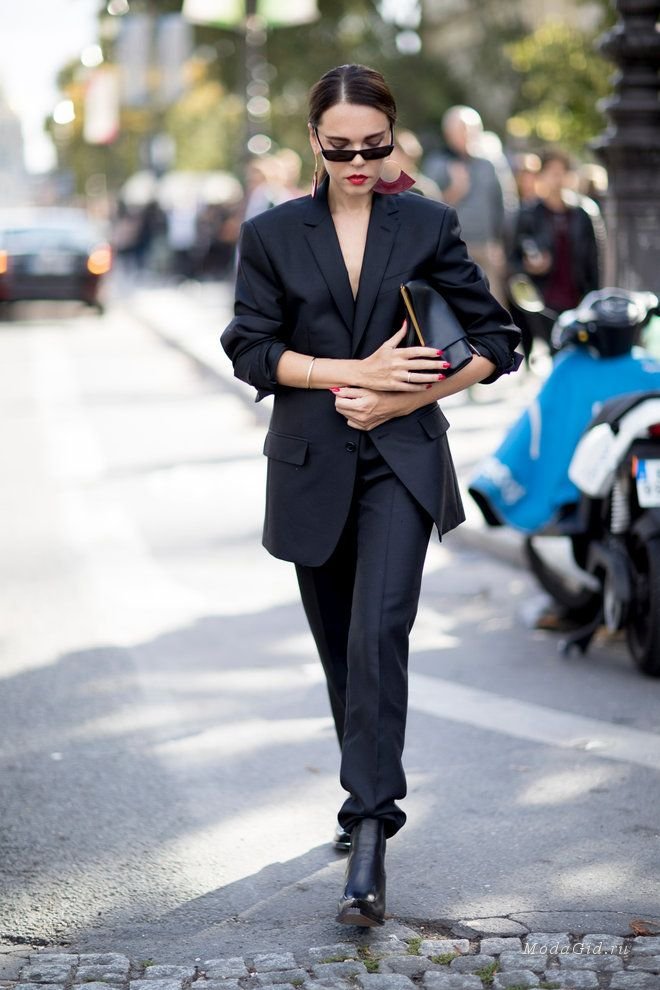
Oversized clothing walks a razor’s edge: on one side, effortless cool; on the other, “did she get dressed in the dark?” The difference isn’t the size — it’s the intention visible in the styling. How can I style oversized clothes without looking sloppy? Through proportion rules, structural anchors, and deliberate details that signal choice rather than accident.
The Golden Rule: One Oversized Piece Per Outfit
This is 80% of the game. An oversized blazer with slim jeans: chic. An oversized blazer with baggy pants and an oversized tee: lost in fabric. Pick one hero oversized piece and keep everything else relatively fitted or streamlined. The contrast between the oversized element and the rest is what creates the look — oversized everything has no contrast, just volume.
Proportion Formulas That Work
- Oversized top + slim bottom: the classic. Baggy sweater with skinny jeans or leggings, oversized shirt with slim trousers, slouchy blazer with fitted pants.
- Oversized blazer + mini/fitted dress: the borrowed-from-the-boys look that always works — structure on top, leg on bottom.
- Wide-leg pants + fitted top: volume on the bottom demands a tucked-in, cropped, or fitted top. Show the waist.
- Oversized coat + everything slim underneath: the coat is the statement; what’s beneath should be streamlined so removal doesn’t reveal chaos.
Structure Is What Separates Chic From Sloppy
Oversized works when the fabric and construction hold their shape. A structured oversized blazer in wool: intentional. An oversized blazer in flimsy fabric that collapses: sloppy. Look for: shoulder structure (even oversized pieces need a shoulder line), quality fabric with body, and clean finishing. The piece should look designed oversized, not accidentally too big — there’s a visible difference in cut. Shoulder seams can drop, but the garment should still have architecture.
Details That Signal Intention
- Show some skin: rolled sleeves revealing wrists, an ankle-baring crop, a v-neck — skin breaks prevent the swaddled effect.
- Define the waist: half-tuck, belt, or cropped length. Even with oversized pieces, one waist reference keeps the silhouette human.
- Push up the sleeves: the universal “I meant to do this” signal. Works on blazers, shirts, sweaters.
- Polish the rest: hair done, shoes intentional, bag structured. When the clothes are relaxed, the grooming and accessories must be sharp — they carry the “intention” signal.
- Mind the shoes: oversized + chunky shoes can work (the proportions echo), but oversized + sloppy shoes = sloppy squared. Choose footwear deliberately.
Common Mistakes
- Too many oversized pieces at once — the #1 sloppy trigger. One hero, rest fitted.
- Wrong size vs. oversized style — a regular blazer in 3 sizes too big looks wrong; an oversized-cut blazer in your size looks right. Buy the oversized cut, not just a bigger size.
- Ignoring proportions for your frame — petites need to be more careful with volume (see our guide to looking taller); the formulas still work, just scaled.
- Wrinkled oversized clothes — wrinkles + volume = definitively sloppy. Steam oversized pieces; they show wrinkles more.
- No focal point — every good oversized outfit has one: the blazer, the sweater, the coat. If everything’s equally voluminous, there’s no design.
Shopping for Oversized (Smart)
Look for pieces designed oversized — check product descriptions for “oversized fit” or “relaxed fit” rather than just sizing up. Men’s sections are a goldmine for oversized blazers and shirts at lower prices. Thrift stores offer oversized wool coats and blazers in quality fabrics for a fraction of retail. And always check: does it have structure? Drop the shoulders, keep the architecture. For fit fundamentals that apply even to relaxed cuts, our fit guide is the reference.
How Can I Style Oversized Clothes Without Looking Sloppy? Your Questions Answered
Can petite women wear oversized clothes?
Yes, with more deliberate proportion control. The principles are the same (one oversized piece, structured fabric, defined waist or skin break), but the margins are tighter — excess fabric overwhelms smaller frames faster. Petite-specific tactics: choose oversized pieces designed with petite proportions (or have them tailored — shortening an oversized blazer’s sleeves transforms it), keep the oversized piece to the top or bottom (not both), show ankles or wrists to prove there’s a person in there, and favor cropped oversized over long oversized (an oversized cropped jacket beats an oversized long coat on petite frames). The look is absolutely achievable — it just needs more precision. Vogue’s petite style coverage regularly shows oversized proportions scaled successfully for smaller frames.
What’s the difference between oversized and just too big?
Design intent. Oversized-cut garments are patterned to be roomy — dropped shoulders, wider bodies, longer lengths — while maintaining structure and proportion. A regular garment in three sizes too big is just wrong: the shoulders collapse, the proportions distort, the details (pocket placement, button stance) land in weird places. You can see the difference: oversized-cut looks deliberate, too-big looks accidental. When shopping, look for “oversized fit” or “relaxed fit” in the description rather than just sizing up. And the tailor test: an oversized-cut piece needs only sleeve/pant hemming; a too-big piece needs structural reconstruction.
How do I wear an oversized blazer to work?
The oversized blazer is actually ideal for modern workplaces — it reads fashion-forward rather than sloppy when styled right. The formula: oversized blazer + fitted base (slim trousers, pencil skirt, or tailored dress) + polished shoes + minimal accessories. Push the sleeves slightly, keep everything else streamlined, and ensure the blazer itself has structure (shoulder line, quality fabric). In conservative offices, choose a less extreme oversize (relaxed rather than dramatic); in creative offices, go bolder. The blazer does the professional work; the fit does the fashion work.
Are oversized clothes flattering for plus-size figures?
They can be — with the same rules everyone follows, applied carefully. The risk for plus figures is that volume-on-volume adds visual weight; the fix is the standard formula: one oversized piece, structured fabric, defined waist point, skin breaks. An oversized structured blazer over a fitted dress is stunning on plus figures. What to avoid: oversized in clingy thin fabrics (shows everything while adding volume — the worst combination), and oversized everything at once. Our plus-size dressing guide covers the proportion principles in depth — oversized is a tool in that kit, not an exception to it.
The Bottom Line
Styling oversized clothes without looking sloppy means one oversized piece per outfit, structured fabrics with real architecture, defined waist or skin breaks for proportion, and polished grooming and accessories to signal intention. Buy the oversized cut — not just a bigger size — and keep everything else streamlined. Oversized is a style choice; sloppy is the absence of choices.


