
Your veterinarian is one of the most important professionals in your pet’s life — and in a city with hundreds of animal hospitals, finding the right one takes more than picking the closest option. NYC vet prices are among the highest in the country, quality varies enormously, and the difference between a great vet and a mediocre one shows up in your pet’s health and your wallet. This guide covers how to find a good vet in New York City, what to ask, and the red flags that should send you elsewhere.
What “good” actually means in a vet
A good vet is not just a skilled clinician — it is a practice that fits your needs: medical quality (AAHA accreditation — the American Animal Hospital Association’s voluntary standards — is a meaningful signal; only ~15% of practices earn it), communication (explains diagnoses and options clearly, respects your budget, does not pressure), accessibility (can you get an appointment within days for non-emergencies? do they answer the phone?), emergency planning (what happens at 2 a.m.? — they should have a clear answer, whether in-house or a referral relationship), and species/breed familiarity (exotic pets need exotic vets; giant breeds and brachycephalic dogs benefit from experienced practices). Price matters but is not the whole story — the cheapest vet who misses a diagnosis is the most expensive vet you will ever use. The AVMA’s pet owner resources explain what to expect from quality veterinary care.
Where to find candidates
Referrals from pet owners you trust: the gold standard. Ask fellow dog-park regulars, your dog walker, groomer, or trainer — pet professionals see vet outcomes across dozens of clients and know who is excellent. Your breeder or rescue: they often have long-standing vet relationships and strong opinions. Neighborhood groups: NYC pet Facebook groups and Nextdoor threads contain detailed vet recommendations by neighborhood — look for practices praised repeatedly over years. AAHA’s hospital locator: aaha.org/find-your-vet finds accredited practices near you. Reviews: Google reviews are useful for spotting patterns (read the negative reviews for communication and billing complaints), but remember that grieving pet owners sometimes leave harsh reviews for good vets — look for trends, not single incidents.
The interview: questions that reveal quality
Call or visit your top 2–3 candidates and ask: Are you AAHA-accredited? (a plus, not a requirement). What are your exam fees and typical costs? (transparency is a green flag; evasiveness is red). How do you handle emergencies after hours? (you want a specific plan, not “go to the ER”). What is your appointment availability for sick visits? (same-week access for urgent issues matters). Do you offer payment plans or work with CareCredit/Scratchpay? (financial flexibility signals a practice that cares about access). Can I meet the vet before committing? (good practices welcome this). What is your approach to preventive care? (you want evidence-based, not upsell-driven — annual dentals for every dog regardless of need is a sales quota, not medicine). Also ask about their cat-friendliness if relevant — feline-only or cat-certified practices dramatically reduce stress for cats. Preventive care philosophy matters enormously — just as regular physical checkups catch human health issues early, consistent wellness exams are the foundation of pet longevity.
Understanding NYC vet pricing (so you can spot outliers)
Typical 2026 NYC prices: wellness exam $90–$150; vaccines $30–$60 each; spay/neuter $400–$900+; dental cleaning $800–$1,800; X-rays $250–$500; ultrasound $400–$800; emergency exam $200–$350 (before treatment). These run 30–60% above national averages — Manhattan highest, outer boroughs somewhat lower. When to question a bill: estimates that double without explanation, panels of tests with no clear rationale (“let us run everything”), or pressure to decide immediately on non-emergency procedures. Reasonable responses: ask for an itemized estimate before authorizing work, ask “what happens if we wait and monitor?”, and get a second opinion on anything over $1,500 that is not an emergency. A good vet welcomes informed questions; a bad one treats them as insubordination. Knowing health warning signs yourself helps you advocate — knowing the early signs of diabetes applies to pets too (excessive thirst and urination are classic signs in dogs and cats), and recognizing dehydration signs can catch emergencies early.
Red flags: when to walk away
Upselling every visit: if every wellness exam generates $500+ in “recommended” add-ons, the practice is revenue-driven. No estimates before work: reputable vets provide written estimates for anything beyond routine care. Dismissive communication: vets who will not explain, rush you out, or mock your questions (or your internet research — good vets engage with it). Dirty or chaotic facility: basic hygiene and organization are non-negotiable in medicine. No emergency plan: “just Google an ER” is not a plan. Refusal to share records: your pet’s records are yours — any resistance to transferring them is a major red flag.
Special situations: ERs, specialists, and low-cost options
Emergency hospitals: NYC has several excellent 24/7 emergency/specialty centers (including in Manhattan, Brooklyn, and Queens). Know your nearest one’s location and phone number before the emergency — at 2 a.m. with a sick pet is the wrong time to research. Emergency visits cost 2–3x regular prices; pet insurance or a dedicated emergency fund is essential. Specialists: for complex issues (oncology, cardiology, surgery), ask your vet for a board-certified specialist referral — veterinary specialists complete residencies like human doctors. Low-cost options: the ASPCA, Humane Society of NY, and various nonprofits offer reduced-cost spay/neuter, vaccines, and basic care for qualifying owners — the ASPCA’s resources list current programs. Do not let cost prevent essential care; these programs exist for exactly that reason.
Your first visit: what to expect
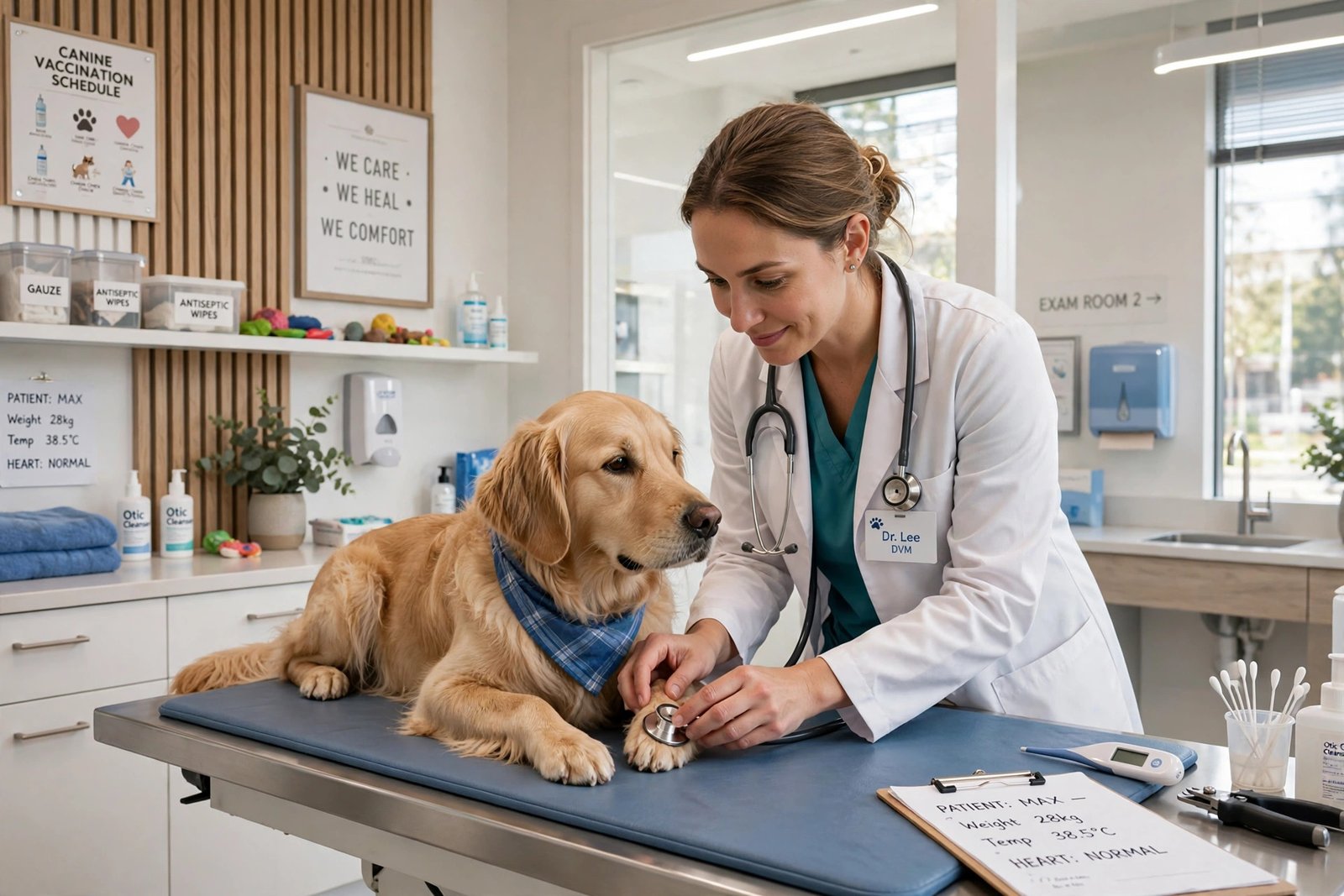
Book a wellness visit (not a sick visit) for your first appointment — it lets you evaluate the practice without pressure. Bring prior records, a list of current food and medications, and your questions. A good first visit includes a thorough nose-to-tail exam, a discussion of vaccine schedules tailored to your pet’s lifestyle, and honest talk about costs. Pay attention to how the staff handles your pet: gentle restraint, treats, and patience signal a practice that takes animal welfare seriously.
Conclusion
Finding a good vet in New York City means: sourcing candidates from trusted pet professionals and long-term neighborhood recommendations, checking AAHA accreditation, interviewing practices about pricing transparency and emergency plans, understanding local price norms so you can spot outliers, and walking away from upsell-driven or dismissive practices. The right vet is a decade-long partnership — worth an hour of research upfront. Your pet cannot choose their doctor. Choose well for them.
Frequently Asked Questions
How much does a vet visit cost in NYC?
Wellness exams run $90–$150; expect $200–$400 for a typical sick visit with basic diagnostics. Emergency exams start at $200–$350 before treatment. Prices run 30–60% above national averages.
What is AAHA accreditation?
The American Animal Hospital Association’s voluntary certification — only about 15% of practices meet its standards for equipment, protocols, and care quality. A meaningful (though not mandatory) quality signal.
Should I get pet insurance before choosing a vet?
Get insurance early regardless of vet choice — pre-existing conditions are excluded, so enroll when your pet is young and healthy. Most vets work with all major insurers.
How often should my pet see the vet?
Annually for healthy adult dogs and cats; twice yearly for seniors (7+ years) and pets with chronic conditions. Preventive wellness exams catch issues when they are cheap to treat.
Where can I find low-cost vet care in NYC?
The ASPCA, Humane Society of New York, and various nonprofits offer reduced-cost spay/neuter, vaccines, and basic care for qualifying owners. Check their websites for current programs and eligibility.