
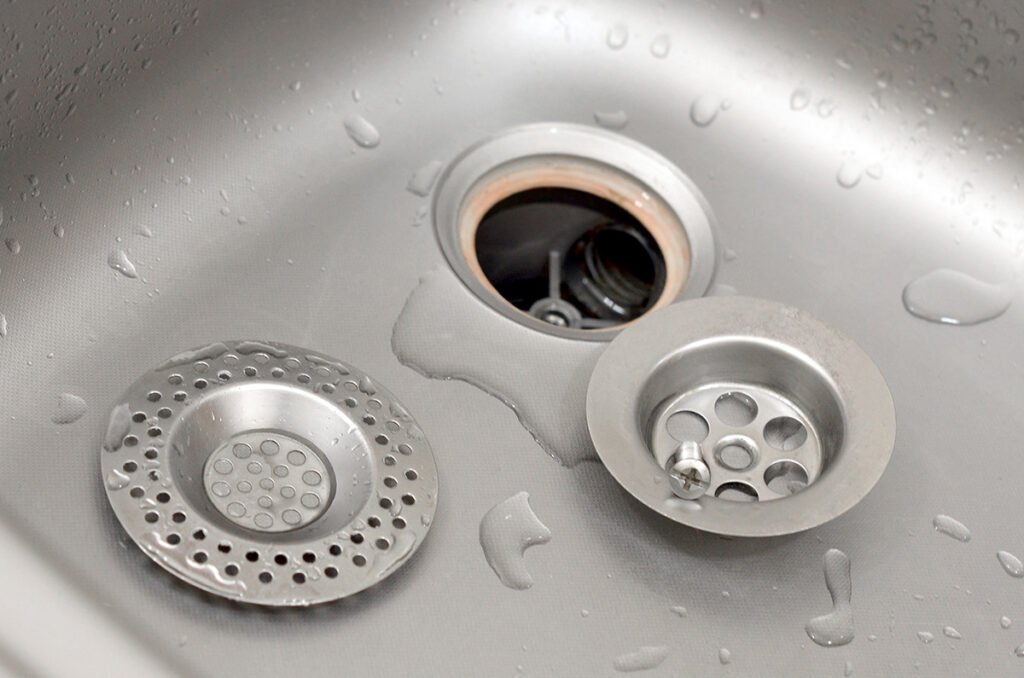
The water’s pooling around your ankles in the shower again. Your first instinct might be the bottle of drain cleaner under the sink — but those caustic chemicals can damage pipes, kill septic systems, and create toxic fumes. So how do I unclog a drain without harsh chemicals? The good news: the non-chemical methods work better anyway. Plumbers will tell you the same thing — mechanical removal beats chemical warfare almost every time.
Why Skip the Chemical Drain Cleaners?
Quick case against them: lye and acid-based cleaners generate heat that can warp PVC pipes and crack porcelain. They’re terrible for septic systems (they kill the beneficial bacteria your septic needs). If you have a garbage disposal, chemicals can damage its components. And if the clog doesn’t clear, you’re left with a sink full of caustic water — dangerous for you and for any plumber you eventually call. The EPA’s Safer Choice program exists precisely because conventional cleaners carry real risks. Mechanical methods avoid all of it.
How Do I Unclog a Drain Without Harsh Chemicals? 5 Methods That Work
Method 1: The plunger (yes, really)
The most underrated tool in the house. Most people plunge wrong: they use a sink plunger (the cup-shaped one, not the flange toilet plunger) and don’t seal the overflow drain. Here’s the right way: plug the overflow with a wet rag, fill the sink/tub with enough water to cover the plunger cup, and plunge vigorously 15–20 times with strong vertical strokes. The pressure/suction cycle dislodges most clogs. This alone fixes maybe 60% of slow drains. Cost: $10 for a good plunger you’ll own forever.
Method 2: Baking soda + vinegar + hot water
The classic for a reason — though let’s be honest about what it does: the fizzing reaction loosens grime and deodorizes, but it won’t dissolve a serious hair clog. Still, great for maintenance and mild slowdowns. Pour 1/2 cup baking soda down the drain, follow with 1/2 cup white vinegar, cover the drain for 15 minutes, then flush with a kettle of hot (not boiling — boiling water can damage PVC and porcelain seals) water. Repeat if needed.
Method 3: The drain snake / hair removal tool
For bathroom drains, the clog is almost always hair — and a $5 plastic hair snake (a long flexible strip with barbs) pulls it out in seconds. It’s disgusting and deeply satisfying. Push it down, twist, pull up slowly. For deeper clogs, a 25-foot hand-crank drain auger ($25–$35) reaches what the plastic tool can’t. Feed it in, crank when you feel resistance, and retract slowly. This is what the pros use; there’s no chemical that outperforms it.
Method 4: Remove and clean the trap
For sink clogs, the P-trap (the U-shaped pipe under the sink) is where gunk collects — and it’s designed to be removed. Put a bucket underneath, unscrew the slip nuts by hand (or with channel locks), dump the trap’s contents, clean it out, and reassemble. Ten minutes, no chemicals, and you’ll be amazed what was in there. While you’re under there, it’s a good time to check for faucet issues too.
Method 5: Enzyme drain cleaners
The one “product” exception: enzyme/bacterial drain cleaners (like Bio-Clean) use natural bacteria to eat organic buildup. They’re slow (overnight or longer) but genuinely effective for maintenance and mild clogs, safe for all pipes and septic systems. Think of them as probiotics for your plumbing — prevention more than emergency cure.
Clog-Specific Cheat Sheet
- Bathroom sink/tub (hair + soap): Hair snake first, then baking soda/vinegar maintenance monthly.
- Kitchen sink (grease + food): Plunger, then very hot water + dish soap (dish soap cuts grease). Never pour grease down drains — wipe pans with paper towels first.
- Shower (hair + soap scum): Hair snake + a drain hair catcher ($5) to prevent recurrence. The catcher is the real fix here.
- Toilet: Flange plunger with proper technique. If that fails twice, it’s auger time or a plumber — don’t keep plunging aggressively.
Prevention: The 5-Minute Monthly Routine
- Run hot water for 30 seconds after each kitchen sink use.
- Monthly: baking soda + vinegar + hot water flush on all drains.
- Use drain screens everywhere — $10 total prevents 90% of bathroom clogs.
- Never put grease, coffee grounds, or “flushable” wipes down any drain. (Wipes aren’t flushable. The packaging lies.)
- Enzyme treatment monthly if you’re on septic.
When to Call a Plumber
Multiple drains backing up simultaneously usually means a main-line clog — that’s professional territory (and possibly a sewer issue). Sewage smells, water backing up in odd places (tub fills when you flush), or a clog that survives plunging + snaking all warrant a call. Expect $150–$350 for a standard drain clearing — and tell them you didn’t use chemical cleaners, for their safety.
When the Clog Keeps Coming Back
Cleared it last month and it’s slow again? Recurring clogs signal a deeper problem than surface buildup:
- Partial main-line blockage. If multiple fixtures drain slowly (tub + toilet + sink), the clog is in the main line, not the fixture. This needs a professional auger or hydro-jetting — DIY snakes usually can’t reach or clear main lines.
- Pipe scale and buildup. Old galvanized or cast-iron pipes accumulate internal scale that narrows the pipe over decades. Drain cleaners (even enzyme ones) can’t fix this — it’s a pipe-replacement conversation, and a plumber’s camera inspection ($150–$300) shows exactly what’s going on in there.
- Vent stack blockage. Plumbing vents (the pipes through your roof) let air in so water drains smoothly. A blocked vent (bird nests, leaves, ice) causes gurgling and slow drains throughout the house. Sometimes clearable from the roof with a garden hose; often a pro job.
- Sagging/bellied pipes. Underground or crawl-space pipes can sag, creating low spots where waste collects. Camera inspection diagnoses; repair means excavation. Not common, but it’s the answer when everything else checks out.
- Tree roots. The classic main-line killer. Roots infiltrate tiny pipe cracks seeking water, then expand into a root ball. Hydro-jetting clears them temporarily; the permanent fix is pipe repair or replacement. If your home is 30+ years old with big trees near the sewer line, suspect this first.
The recurrence test: if the same drain clogs three times in six months despite proper clearing, stop treating the symptom and get a camera inspection. You’ll spend less on one diagnosis than on repeated emergency calls — and you’ll know whether you’re facing a $300 jetting or a $3,000 line replacement before it becomes a 2am emergency.
Recurring issues are also a good prompt to level up your DIY plumbing range — the same mechanical confidence that clears drains applies to fixing a running toilet, and having a proper basic toolkit (including that $30 drain auger) means you’re equipped for the next round before it starts.
The Practical Takeaway
Unclogging a drain without harsh chemicals is straightforward: plunge correctly (seal the overflow!), snake out hair clogs mechanically, clean the P-trap for sink issues, and use enzyme cleaners for maintenance. Buy a $10 plunger, a $5 hair snake, and drain screens — that $20 kit handles the vast majority of household clogs better than any bottle of chemicals, with zero risk to your pipes, your septic, or your lungs.


