
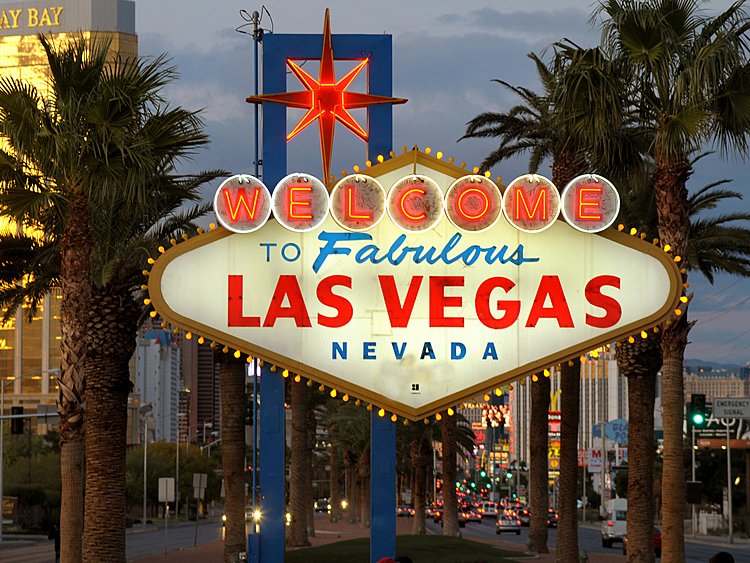
So you’re thinking about visiting Las Vegas for the first time. Good — it’s one of those places everyone should see at least once, if only to understand what all the fuss is about. But here’s the thing nobody tells you: what should I know before visiting Las Vegas for the first time? A lot more than “what happens in Vegas stays in Vegas.” The city is bigger, weirder, more expensive in some ways and cheaper in others than you’d expect, and first-timers make the same handful of mistakes over and over. I’ve been a few times now, and this is the honest rundown I wish someone had handed me before my first trip.
What Should I Know Before Visiting Las Vegas for the First Time? Start With Where to Stay
Where you sleep in Vegas shapes your whole trip. The Strip is the famous four-mile stretch of mega-resorts, and staying on it means you’re in the middle of everything. But “the Strip” is long — walking from the Mandalay Bay end to the Wynn end takes over an hour in the heat. If your hotel is at one extreme and your plans are at the other, you’ll spend half your trip in transit.
First-timers usually do best in the mid-Strip area (Bellagio, Caesars, Flamingo, LINQ). You’re central, and the Las Vegas Strip is most walkable there. Downtown (Fremont Street) is cheaper, grittier, and honestly a lot of fun — the light show overhead is genuinely cool — but it’s a different vibe, more old-school Vegas. Off-Strip hotels save serious money if you don’t mind rideshares.
One warning: resort fees. That “$79 a night” room is actually $120+ once the mandatory daily resort fee and taxes hit. Always check the total price before booking, not the headline rate. This is the single most common budget shock for first-time visitors.
When to Go (and When to Skip It)
Vegas is a desert. Summer temperatures regularly top 105°F (40°C), and walking the Strip in July feels like standing in front of an open oven. Spring (March–May) and fall (September–November) are the sweet spots — warm days, cool nights, and you can actually enjoy being outside.
Winter is underrated: highs in the 50s–60s, thin crowds, cheap rooms. You won’t be swimming, but pools aren’t why you came the first time anyway. Avoid major fight weekends, big conventions (CES in January), and holidays unless you love crowds and triple prices.
The Real Budget: What Things Actually Cost
Vegas can be cheap or ruinous — it’s entirely up to you. A realistic mid-range daily budget for a first-timer:
- Hotel: $100–$250/night all-in (mid-Strip, non-weekend)
- Food: $60–$120/day if you mix casual spots with one nice dinner
- Shows: $75–$150 per ticket for the big productions
- Drinks: $15–$20 per cocktail on the Strip; gambling gets you “free” ones
- Transport: $20–$40/day in rideshares if you stay central
The free stuff is better than people expect: the Bellagio fountains, the volcano at the Mirage (check current status — properties change), the Fremont Street light show, and just people-watching on the Strip cost nothing. Set a gambling budget before you arrive, in cash, and treat it like concert tickets — money spent on entertainment, not an investment. Because it isn’t one.
Getting Around Without Losing Your Mind
Don’t rent a car unless you’re doing day trips — parking fees at Strip hotels add up fast, and you’ll barely use it. The Deuce bus runs the Strip 24/7 and costs a few bucks. The monorail covers the east side of the Strip quickly. Rideshares are everywhere but surge pricing hits hard on weekend nights; the taxi line at the airport is often faster than waiting for an Uber at 11pm on a Saturday.
And wear real walking shoes. Not cute shoes. Real ones. You’ll walk 8–12 miles a day without noticing because everything looks close together and nothing is. If you’re taking travel photos with your phone, the Strip at night is spectacular — just watch your step while framing the shot.
What First-Timers Always Get Wrong
- Overplanning the days, underplanning the nights. Vegas runs late. Shows start at 7–10pm, clubs at midnight. If you schedule an 8am activity after a Vegas night, you’ll hate yourself.
- Drinking in the desert heat without water. Alternate every alcoholic drink with water. The dry air dehydrates you faster than you realize.
- Skipping downtown. Fremont Street is half the price and twice the character of the Strip. Go at least one evening.
- Paying full price for shows. Same-day discount booths and hotel concierge deals are real. Ask before you buy at the box office.
- Forgetting it’s a real city. Beyond the Strip there’s a whole metro area with great hidden gem restaurants locals actually eat at, often for half the Strip price.
Food: It’s Not Just Buffets Anymore
The buffet era is fading — many closed or got expensive. The real move now is the celebrity-chef restaurants (book ahead, they’re genuinely good) and the off-Strip local spots. If you want one splurge dinner, make it count: pick a restaurant with a view or a chef you’ve heard of, and reserve weeks out. For everything else, the food courts and casual spots inside the big hotels are perfectly fine, and Chinatown on Spring Mountain Road has some of the best affordable food in the city.
Worth a Day Trip?
If you’re staying 4+ days, yes. The Hoover Dam is 45 minutes away and more impressive than the photos suggest. Red Rock Canyon is 30 minutes west and gorgeous at sunset. The Grand Canyon is doable but it’s a full, long day — don’t try to squeeze it into a half-day. Honestly though, on a first trip of 3 days, I’d stay in town. Vegas has more than enough.
The Practical Takeaway
Visiting Las Vegas for the first time is best treated like visiting a theme park for adults: plan your anchor experiences (one or two shows, one great dinner), leave big gaps for wandering, budget honestly including those resort fees, and don’t try to do everything. The people having the most fun in Vegas aren’t the ones with the packed itinerary — they’re the ones who picked a few things they actually wanted to do and gave themselves permission to just explore. Book the hotel mid-Strip, bring comfortable shoes, drink water, set a gambling limit, and go see the fountains at night. You’ll get it.
If rest matters on the trip, it helps to know how to sleep better in hotels — Vegas rooms are dark and quiet by design, which actually works in your favor.


