
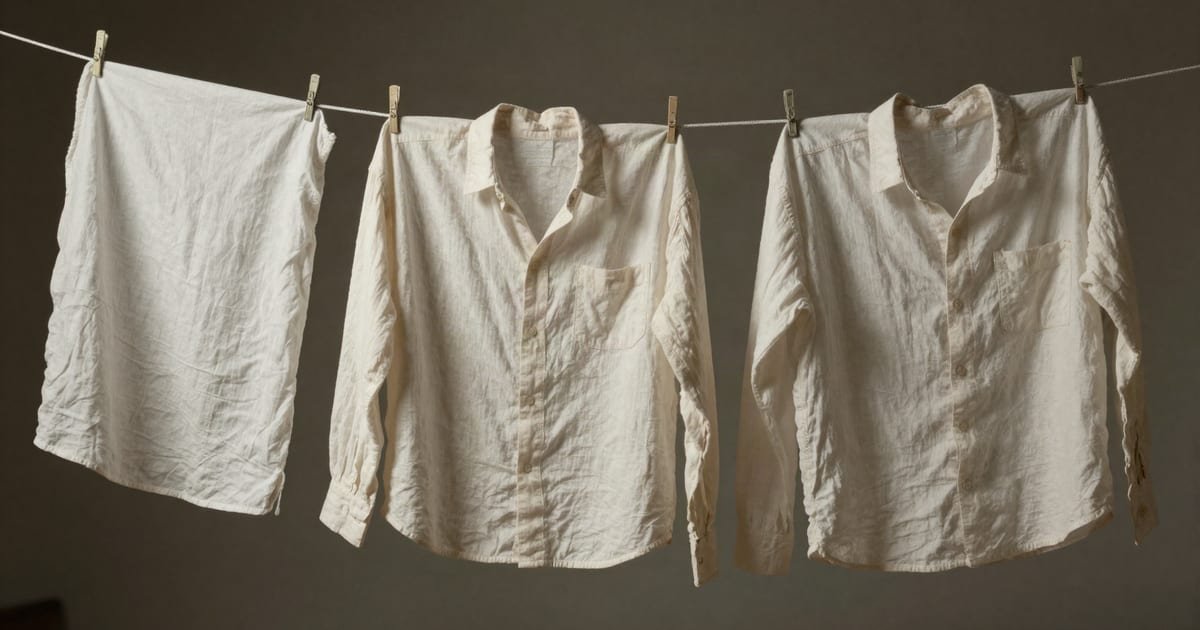
Before you declutter that tired sweater or those faded jeans, consider: most “old-looking” clothes aren’t worn out — they’re just neglected. Pilling, fading, loose threads, stretched collars: all fixable, most in under 30 minutes, for almost no money. How can I make old clothes look new again? With a combination of restoration techniques and restyling tricks that cost less than a single new outfit.
Restore: Fix What’s Making Them Look Old
- 1. De-pill everything. A fabric shaver ($10-15) is the single highest-ROI clothing tool in existence. Five minutes per garment removes the fuzz that screams “old.” Sweaters, in particular, come back to life dramatically.
- 2. Remove stains properly. Most “ruined” clothes just need the right treatment — our complete guide to removing stains from white clothes (and colors) covers the methods that actually work. Don’t give up on a piece until you’ve tried oxygen-based soak.
- 3. Dye faded blacks and navys. Black clothes fade to sad gray; navy goes dusty. A $5 box of fabric dye in the washing machine restores them to near-new depth. This one trick alone rescues countless garments.
- 4. Fix loose threads and small holes. A needle, matching thread, ten minutes. YouTube has a tutorial for every repair. Visible mending — decorative stitching over repairs — is even fashionable now.
- 5. Replace buttons and tighten hardware. New buttons modernize a coat or cardigan instantly. Tighten loose jean buttons, replace missing ones from the spare set that came with the garment (check inside seams).
- 6. Steam or press. Wrinkles age clothes more than almost anything. A handheld steamer ($25) makes everything look store-fresh in minutes.
- 7. Whiten and brighten. Dingy whites drag down whole outfits. Soak in oxygen bleach, sun-dry (UV is a natural brightener), and retire the gray.
- 8. Restore leather and shoes. Clean, condition, and polish — our leather shoe care guide walks through it. New laces alone make sneakers look 50% newer.
Refresh: Change How They Read
Sometimes the garment is fine — it’s the styling that’s stale:
- 9. Tailor the fit. Bodies change; clothes should keep up. Taking in a waist, hemming pants, or tapering sleeves modernizes pieces that fit “like they used to.” This is the difference between “old clothes” and “vintage.”
- 10. Restyle with current pairings. That 2018 blouse looks new tucked into high-waisted jeans with sneakers instead of tucked into a pencil skirt with pumps. Same garment, different decade energy.
- 11. Add one modern accessory. A current belt, fresh jewelry, or new shoes can pull an older outfit into the present. Accessories are the cheapest update vector — see accessories that make outfits look expensive.
- 12. Layer differently. Wear the dress as a skirt (sweater over it), the button-down open over a tee, the blazer with unexpected casual pieces. New combinations read as new clothes.
- 13. Crop or alter. Long sleeves to 3/4, pants to cropped, a tee to a boxy crop — strategic alterations follow current silhouettes. Only for pieces you’re ready to commit on.
- 14. Rotate and rest. Sometimes clothes look tired because you’re tired of them. Store pieces for a season (properly — see storing winter coats in summer for the method). Absence makes the wardrobe grow fonder.
Know When to Let Go
Honesty matters: some clothes are done. Retire pieces with: stretched-out elastic that won’t recover, thin spots about to become holes, permanent odors that survive washing (looking at you, old gym shirts), underarm discoloration that won’t lift, or shapes so dated no styling saves them. Letting go isn’t failure — it makes room for the pieces worth saving. And when you do replace, our guide to making fast fashion more sustainable helps you buy better next time.
How Can I Make Old Clothes Look New Again? Your Questions Answered
What’s the single most effective clothing refresh trick?
A fabric shaver, and it’s not close. Pilling is the #1 visual signal of “old clothes” — those little fuzz balls make even quality garments look worn out. Five minutes with a $12 fabric shaver removes them completely, and the transformation is dramatic: sweaters, in particular, go from thrift-store-tired to nearly-new. It’s the highest return-on-investment clothing purchase most people will ever make. Second place: dyeing faded blacks, which rescues an entire color category of wardrobe for about $5. Between those two tools, most “worn out” wardrobes are actually just neglected ones.
Can I really dye clothes at home without ruining them?
Yes, with the right expectations. Fiber-reactive and all-purpose dyes (Rit, Dylon) work beautifully on natural fibers — cotton, linen, rayon, silk. They work poorly on polyester (which needs special disperse dyes and high heat). The keys: use enough water for even coverage, keep the dye bath hot, stir constantly for the first 10 minutes, and rinse thoroughly. Dyeing is best for refreshing faded colors (black to black, navy to navy) rather than dramatic color changes — going from white to black works; going from red to pastel doesn’t. And always dye a test swatch first. Good Housekeeping’s fabric care guides cover dyeing basics if you want a walkthrough.
How do I know when a garment is truly beyond saving?
The honest retirement criteria: elastic that’s permanently shot (waistbands that won’t recover), fabric worn thin enough to see through (it’s about to tear), persistent odors that survive multiple wash methods (bacteria has colonized the fibers), and armpit discoloration that won’t lift with oxygen bleach. Also: if the repair would cost more than the garment’s replacement and you don’t love it, let it go. But distinguish “needs $10 of care” from “done” — most people retire clothes three stages too early. The landfill is full of garments that needed a shaver and a soak.
Is visible mending actually fashionable or just crafty?
Both, and that’s the point. Visible mending — decorative stitching over repairs, sashiko-inspired patching, contrast darning — has moved from craft circles into genuine fashion territory. It signals intentionality, sustainability awareness, and personal style simultaneously. A beautifully darned sweater elbow or a sashiko-patched knee reads as character, not poverty. Start simple: contrast thread, basic running stitches, YouTube tutorials. It’s meditative, nearly free, and it transforms “damaged” into “distinctive.” The Japanese concept of kintsugi (golden repair) applies beautifully to clothing.
The Bottom Line
Most old-looking clothes need restoration (de-pill, de-stain, dye, press, repair) or restyling (new pairings, tailoring, accessories) — not replacement. A fabric shaver, fabric dye, and a steamer cost less than $50 combined and will rescue dozens of garments. Before you buy new, spend a weekend reviving what you own. Your wallet and your closet will both feel the difference.


