
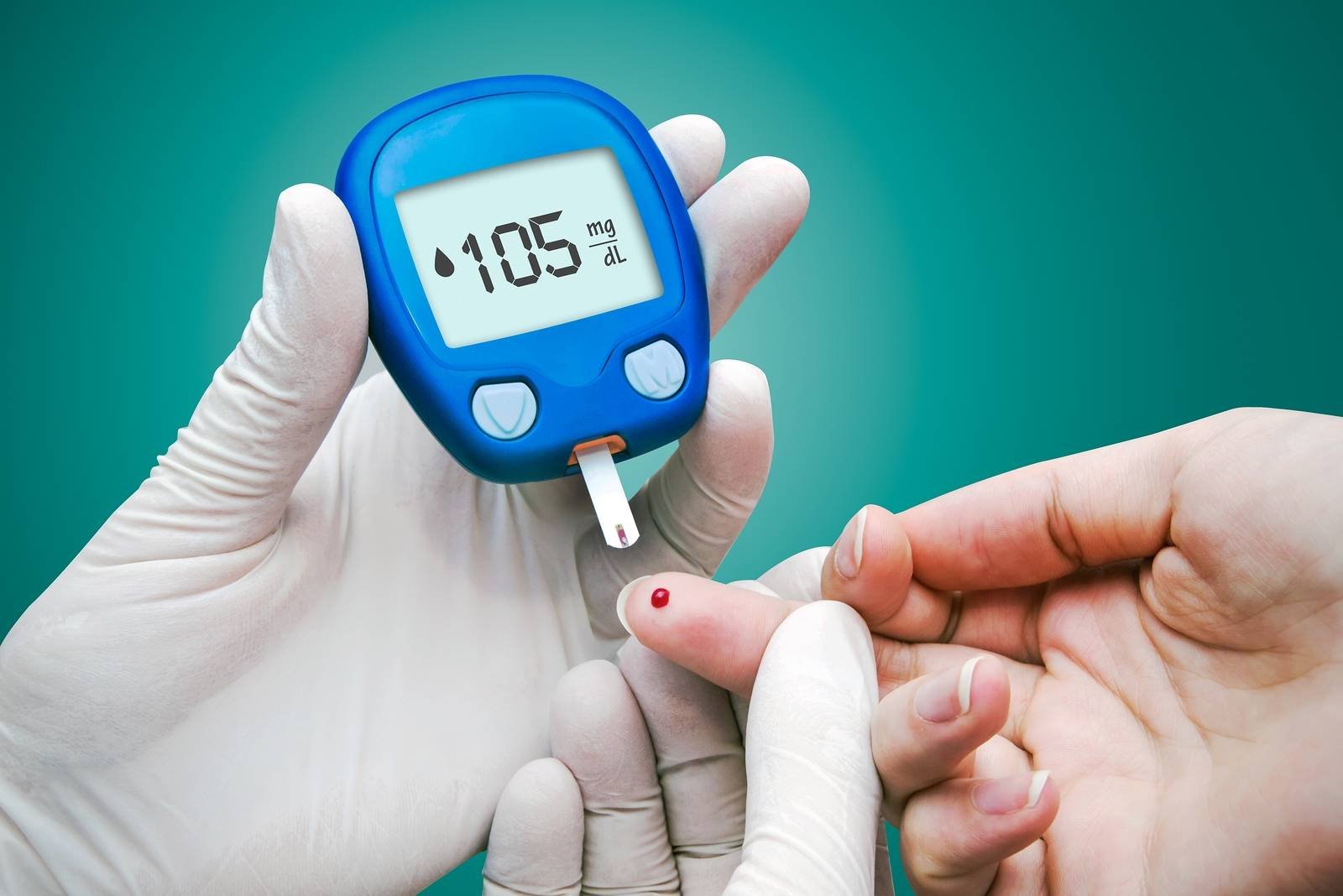
Type 2 diabetes doesn’t arrive with a dramatic announcement. It creeps in over years, often with symptoms so mild they’re easy to dismiss — you’re just tired, just thirsty, just getting older. That’s exactly why millions of Americans have prediabetes or diabetes without knowing it. What are the early signs of diabetes I should know? These ten, and why catching them early changes everything.
Why Early Detection Matters So Much
Here’s the motivating fact: type 2 diabetes is often reversible in its early stages. The Diabetes Prevention Program — one of the largest studies ever conducted — found that lifestyle changes reduced diabetes risk by 58% in high-risk people, outperforming medication. But that window narrows with time. Every year of uncontrolled high blood sugar quietly damages blood vessels, nerves, kidneys, and eyes. Catching it at the “prediabetes” stage, when blood sugar is elevated but not yet diabetic, is the single highest-leverage moment in the disease’s timeline.
10 Early Signs to Watch For
- 1. Excessive thirst that won’t quit. High blood sugar pulls fluid from your tissues, leaving you constantly parched no matter how much you drink. If your water bottle is never enough lately, pay attention.
- 2. Frequent urination, especially at night. Your kidneys work overtime to flush excess glucose, dragging water with it. Waking up multiple times nightly to urinate is a classic early flag.
- 3. Unexplained fatigue. When cells can’t properly use glucose for energy, you feel drained despite adequate rest. This isn’t “I stayed up late” tired — it’s a heavy, persistent exhaustion. (Though fatigue has many causes — see why you might feel tired all the time.)
- 4. Increased hunger. Paradoxically, you can feel hungrier than usual because your cells are starved of the glucose circulating uselessly in your blood.
- 5. Blurred vision. High blood sugar causes the lens of your eye to swell, distorting focus. It often fluctuates — clear in the morning, blurry by afternoon.
- 6. Slow-healing cuts and frequent infections. Elevated glucose impairs immune function and circulation. A small cut that takes weeks to heal, or recurring skin, gum, or urinary infections, deserves attention.
- 7. Tingling or numbness in hands and feet. Nerve damage (neuropathy) can begin even in prediabetes. That “pins and needles” that wasn’t there before is worth mentioning to your doctor.
- 8. Darkened skin patches. Velvety, dark skin around the neck, armpits, or groin (acanthosis nigricans) is a visible marker of insulin resistance — and one of the earliest external signs.
- 9. Unexplained weight loss. More typical of type 1, but rapid weight loss without trying always warrants investigation.
- 10. Irritability and difficulty concentrating. Blood sugar swings affect brain function directly. If your mood and focus have deteriorated alongside other symptoms, connect the dots.
Who’s at Higher Risk
Risk climbs with: excess weight (especially abdominal), family history of diabetes, age over 35 (screening now starts at 35), high blood pressure or abnormal cholesterol — if either sounds familiar, read how to know if you have high blood pressure and how to lower cholesterol naturally — history of gestational diabetes, polycystic ovary syndrome, and certain ethnic backgrounds (African American, Hispanic, Native American, Asian American, and Pacific Islander populations face higher risk).
Having risk factors doesn’t mean you’ll get diabetes. It means screening is worth prioritizing.
What to Do If You Recognize These Signs
Don’t panic, and don’t self-diagnose from this article — but do act. Ask your doctor for an A1C test (average blood sugar over 2-3 months) or fasting glucose test. Both are simple blood draws. If results show prediabetes (A1C 5.7-6.4%), you have a genuine opportunity to reverse course: modest weight loss (5-7% of body weight), 150 minutes of weekly activity like walking 30 minutes a day, and shifting toward slower-digesting carbs — our guide to good vs. bad carbs is the practical starting point.
The American Diabetes Association offers a free 60-second risk test online — a reasonable first step if you’re on the fence about calling your doctor.
What Are the Early Signs of Diabetes I Should Know? Your Questions Answered
What’s the difference between type 1 and type 2 diabetes?
Type 1 is an autoimmune condition where the immune system destroys insulin-producing cells — it requires insulin from diagnosis, typically appears in childhood or young adulthood (though adult onset happens), and isn’t preventable. Type 2 is insulin resistance — the body makes insulin but can’t use it effectively — strongly linked to lifestyle and genetics, usually adult-onset, and often preventable or reversible early on. This article’s early signs apply mostly to type 2, which accounts for 90-95% of cases. Type 1 onset is usually faster and more dramatic: rapid weight loss, extreme thirst, and it can become dangerous quickly.
Can prediabetes be reversed?
Yes — and this is the most hopeful fact in diabetes medicine. The Diabetes Prevention Program showed lifestyle changes (modest weight loss of 5-7%, 150 minutes of weekly activity) reduced progression to diabetes by 58% — better than medication. Many people return their blood sugar fully to normal ranges. The key is acting while it’s prediabetes: once full type 2 diabetes is established for years, reversal gets harder (though still sometimes possible). A prediabetes diagnosis isn’t a life sentence; it’s an early warning with a proven exit route.
Should I buy a glucose monitor if I’m worried?
For most people, no — a lab A1C test is the right first step, and it’s cheap and definitive. Continuous glucose monitors (CGMs) are fantastic tools for diagnosed diabetics but produce anxiety-inducing noise in healthy people: perfectly normal post-meal spikes get misread as problems by people without medical context. If your A1C comes back in the prediabetes range, then a CGM (with your doctor’s guidance) can be a useful short-term learning tool. Don’t start with the gadget; start with the lab test.
The Bottom Line
Diabetes whispers before it shouts: unquenchable thirst, nighttime bathroom trips, stubborn fatigue, slow healing, tingling feet. Any one of these alone might be nothing; several together deserve a blood test. Caught early, type 2 diabetes is one of the most reversible chronic conditions in medicine. Don’t wait for a crisis to find out where you stand.


