
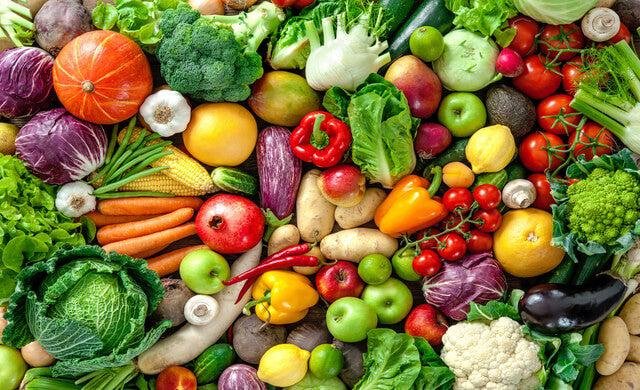
No food prevents illness by itself — let’s retire that fantasy first. But what foods help boost the immune system naturally? Plenty of foods provide the specific nutrients your immune cells need to function, and a diet rich in them genuinely supports immune health. Here’s what’s actually evidence-backed, not wellness-influencer folklore.
What Foods Help Boost the Immune System Naturally? The Heavy Hitters
- Citrus fruits: The vitamin C classic — oranges, grapefruits, lemons. Vitamin C supports white blood cell function. Your body doesn’t store it, so daily intake matters more than megadoses when you’re already sick.
- Red bell peppers: Surprise — they contain nearly 3x the vitamin C of oranges, plus beta carotene for skin and eye health (your skin is immune barrier #1).
- Garlic: Allicin and sulfur compounds with genuine antimicrobial properties in lab studies. Cook with it liberally; it’s cheap, delicious, and the evidence — while not miraculous — is real.
- Ginger: Anti-inflammatory and nausea-settling. Fresh ginger tea at the first scratchy throat is folk wisdom with plausible mechanism.
- Yogurt and kefir: Probiotics support gut health, and ~70% of immune tissue is gut-associated. Choose live-culture, low-sugar varieties — gut health through food goes deeper here.
- Almonds and sunflower seeds: Vitamin E, a fat-soluble antioxidant critical for immune function. A small handful daily covers it.
- Leafy greens: Spinach, kale — folate, vitamin C, antioxidants. The boring answer that’s actually correct.
- Fatty fish: Salmon, sardines — omega-3s modulate inflammation and vitamin D supports immune regulation.
- Green tea: Catechins (notably EGCG) with immune-supporting properties in research — plus hydration. (More on green tea and weight.)
- Turmeric: Curcumin is anti-inflammatory in studies; pair with black pepper (piperine) to boost absorption dramatically.
- Poultry and bone broth: The chicken soup effect is real — mild anti-inflammatory effects plus hydration and easy nutrition when you’re already ill.
- Shellfish and legumes: Zinc — oysters, crab, lentils, chickpeas. Zinc deficiency measurably impairs immunity; most people get enough, but it’s worth including.
The Harvard Nutrition Source provides the evidence-based foundation behind these picks — worth bookmarking over any influencer’s list.
What Matters More Than Any Superfood
Here’s the unsexy truth: no berry compensates for the fundamentals. Sleep — one bad night measurably suppresses immune function (adults need 7-9 hours). Chronic stress — cortisol suppresses immunity over time (managing stress without medication). Exercise — moderate regular activity boosts immune surveillance; extreme overtraining suppresses it. Hydration — water intake supports every bodily system including immune.
The person sleeping 8 hours, managing stress, and eating reasonably will outperform the sleep-deprived stress case pounding elderberry syrup every time. Foundations first, optimizations second.
The 7-Day Immune-Support Meal Plan (Simple Version)
Theory’s nice; here’s a practical week putting the immune foods to work. Nothing exotic, nothing expensive.
Daily anchors (every day): One citrus fruit or bell pepper (vitamin C), one serving of leafy greens, garlic or ginger in cooking, yogurt/kefir or fermented food, a handful of nuts/seeds, 2+ liters of water, green tea instead of the third coffee.
Monday: Oatmeal with berries and almonds; lentil soup with garlic and turmeric; salmon with roasted broccoli and sweet potato.
Tuesday: Greek yogurt with citrus and sunflower seeds; big salad with bell peppers, chickpeas, olive oil; chicken stir-fry with ginger, garlic, and mixed vegetables.
Wednesday: Veggie omelet with spinach and peppers; leftover lentil soup; turkey chili with beans (vitamin C from peppers, zinc from turkey).
Thursday: Kefir smoothie with frozen berries and spinach; tuna salad with white beans; roasted chicken with carrots, garlic, and herbs.
Friday: Oatmeal with walnuts and banana; minestrone soup; shrimp stir-fry with bell peppers and broccoli over brown rice.
Weekend: Flexible — use leftovers, try one new recipe (miso soup with tofu and seaweed is an immune-friendly adventure), and don’t stress perfection. The plan works through consistency, not compliance.
Prep shortcuts: Wash and chop vegetables Sunday; cook a big batch of grains; keep frozen berries, spinach, and mixed veg stocked (nutritionally equal to fresh). The plan costs less than takeout-heavy weeks because plants and legumes are cheap — [[i:190|eating healthy affordably]] in action. One week won’t transform immunity — but three months of this pattern, plus [[i:155|sleep]] and [[i:152|stress management]], builds the resilient baseline no supplement can shortcut.
Immune Health FAQs
Do immune-boosting supplements work?
Mostly no for well-nourished people — vitamin C, echinacea, and elderberry show modest-at-best effects in rigorous trials, and only in specific contexts (vitamin C may slightly shorten colds with regular use, not when started after symptoms). Exceptions: vitamin D if you’re deficient (get tested — deficiency is common), and zinc may help if started within 24 hours of cold symptoms. Food first, supplements for documented gaps.
Can you “boost” immunity too much?
“Boosting” is marketing language — what you want is balanced immune function, not maximum. Overactive immunity is literally what autoimmune disease and allergies are. The goal: give your immune system what it needs (nutrients, sleep, manageable stress) and let it regulate itself. Anyone selling “maximum immune boost” doesn’t understand immunology.
How quickly can diet improve immunity?
Nutrient deficiencies correct in weeks; the broader benefits of a good diet compound over months. There’s no 3-day immune transformation — but there’s also no wasted effort. Every week of good nutrition, sleep, and stress management builds the baseline. Start now; the winter you is counting on the autumn you.
Winter-Specific Strategy
Cold season concentrates the risk: less sun (vitamin D drops — consider testing levels), more indoor crowding, drier air (nasal membranes defend worse). Layer the strategy: eat the foods above consistently (not just when sick — immunity is built over weeks), prioritize sleep as days shorten, wash hands like it’s 2020, and see strengthening immunity in winter for the seasonal playbook. Food supports the immune system; it doesn’t hack it. But “support” done consistently is genuinely powerful — it’s just slower and less dramatic than the supplement ads promise. Eat the rainbow, sleep well, stress less. Boring. Effective.
Start This Week: Three Small Changes
Overwhelmed? Just do three things this week: add one vegetable to dinner daily (frozen counts), swap one sugary drink for water or green tea, and eat one fermented food (yogurt, kefir, kimchi — whatever you’ll actually eat). That’s it. These three tiny changes cover vegetables, hydration, and gut health — the highest-impact levers. Next week, add one more. Immune health isn’t built in a transformation; it’s built in Tuesdays. Small, repeated, boring — and remarkably effective over time.


