
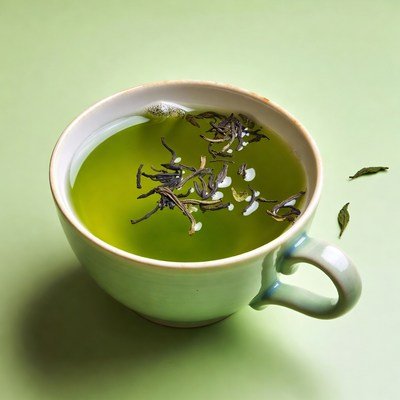
Green tea has been marketed as a weight-loss miracle for decades — fat-burning teas, detox blends, metabolism boosters, all riding on those little green leaves. So let’s cut through it: can drinking green tea help with weight loss? The short answer is yes, a little, through real mechanisms. The longer answer is that it’s a supporting player, not the star of the show, and anyone selling it as a shortcut is selling something.
What’s Actually in Green Tea That Matters
Two compounds do the heavy lifting. First, caffeine — a cup of green tea has roughly 30-50 mg, about a third of a cup of coffee. Caffeine modestly increases energy expenditure and fat oxidation; that’s well established. Second, catechins, especially EGCG (epigallocatechin gallate), the antioxidant green tea is famous for. EGCG appears to inhibit an enzyme that breaks down norepinephrine, effectively prolonging the fat-burning signal caffeine starts.
The key word in that paragraph is “modestly.” Meta-analyses of green tea and weight loss find an average effect of roughly 1-3 pounds over 12 weeks compared to control groups. That’s statistically real and practically small. Nobody ever lost 30 pounds because they switched from soda to sencha — but as part of a broader plan, it’s a genuinely useful habit. People working on losing belly fat safely often find green tea a helpful piece of a bigger puzzle.
How Much You’d Need to Drink
The studies showing benefits typically use the equivalent of 3-5 cups of brewed green tea daily, or catechin doses around 400-600 mg. A few practical notes:
- Brewed tea beats most “fat burner” pills. Supplements concentrate catechins to levels that have, in rare cases, been linked to liver issues. Tea itself has an excellent safety record. Drink the tea; skip the mega-dose capsules.
- Don’t drown it in honey. Two teaspoons of honey add 40 calories and completely erase the modest metabolic benefit. If you need flavor, lemon or mint adds zero calories.
- Matcha counts — strongly. Since you consume the whole ground leaf, matcha delivers more catechins and caffeine per cup than steeped tea. It’s also pricier, so it’s a nice-to-have, not a need.
- Timing is flexible. There’s no magic hour. Many people like a cup 30-60 minutes before a workout for the mild caffeine lift, or as an afternoon replacement for a sugary drink.
What Green Tea Can’t Do
Let’s be blunt about the limits, because the wellness industry won’t be:
- It won’t compensate for a 500-calorie daily surplus. No beverage does.
- “Detox” teas that promise rapid weight loss are usually just laxatives (senna is the common one). The weight that comes off is water and waste, and it comes right back. Some of these products are genuinely harsh on your system.
- Bottled green teas are often just sugar water with tea flavoring — check the label before assuming the benefits apply.
- The effect plateaus. Your body adapts to caffeine over time, which is one reason the long-term weight difference in studies stays small.
If you’re exploring dietary strategies more broadly, intermittent fasting for beginners and smart snacking choices for weight loss tend to move the needle far more than any beverage swap.
Making It Work as Part of a Real Plan
Here’s where I actually land on green tea: think of it as a habit upgrade, not a weight-loss method. Replacing a daily 200-calorie soda or latte with unsweetened green tea saves 1,400 calories a week — that’s where the real weight-loss contribution comes from, not the EGCG. The catechins and caffeine are a small bonus on top.
The National Institute of Diabetes and Digestive and Kidney Diseases puts it plainly: sustainable weight loss comes from eating patterns and activity you can maintain, not from any single food or drink. Green tea fits nicely into that picture — it’s calorie-free, mildly beneficial, and a pleasant ritual. Just don’t expect it to do the work for you.
Can Drinking Green Tea Help With Weight Loss? Your Questions Answered
Is matcha better than regular green tea for weight loss?
Marginally. Because you consume the whole ground leaf, matcha delivers more caffeine (60-80 mg per serving) and more EGCG than steeped green tea. In theory that means a slightly stronger metabolic effect. In practice, the difference is small — and matcha costs 3-5x more. If you enjoy the taste and the ritual, it’s a fine upgrade. If you’re drinking it purely for weight loss, the regular brewed stuff captures most of the benefit at a fraction of the price. Either way, skip the sugary matcha lattes — a 400-calorie “health drink” defeats the purpose entirely.
When is the best time to drink green tea?
There’s no magic window, but a few timings make practical sense: 30-60 minutes before a workout for a gentle caffeine lift, mid-morning or mid-afternoon as a coffee alternative, or with/after meals (some evidence suggests it modestly blunts blood sugar spikes from carb-heavy meals). Avoid large amounts late in the evening if you’re caffeine-sensitive — green tea has less caffeine than coffee, but it’s not caffeine-free, and poor sleep undermines weight loss far more than tea helps it.
Do green tea extract pills work the same as the tea?
They concentrate the catechins, but they come with real downsides. Concentrated green tea extract has been linked in rare cases to liver injury — something essentially unheard of with brewed tea. The pills also lack the ritual, hydration, and satisfaction of drinking tea, which is half the behavioral benefit (replacing a caloric beverage). Brewed tea has centuries of safe use behind it; high-dose extracts don’t. Drink the tea, skip the pills.
How does green tea compare to black tea or coffee for weight management?
All three are calorie-free caffeine sources with modest metabolic effects — the differences are smaller than marketing suggests. Coffee has the most caffeine (strongest appetite-suppressing effect for some people). Green tea has the catechin advantage. Black tea sits in between. The honest ranking for weight loss: whichever unsweetened one you’ll actually drink instead of a sugary beverage, consistently, for years. The beverage swap matters 10x more than the choice between teas.
The Bottom Line
Green tea can help with weight loss a little, through caffeine and catechins that modestly boost fat burning. Drink 3-4 cups of the real brewed stuff, skip the sugar, and treat it as one small healthy habit among many. Combined with sensible eating and movement, it’s worth the kettle. On its own, it’s just tea.


