
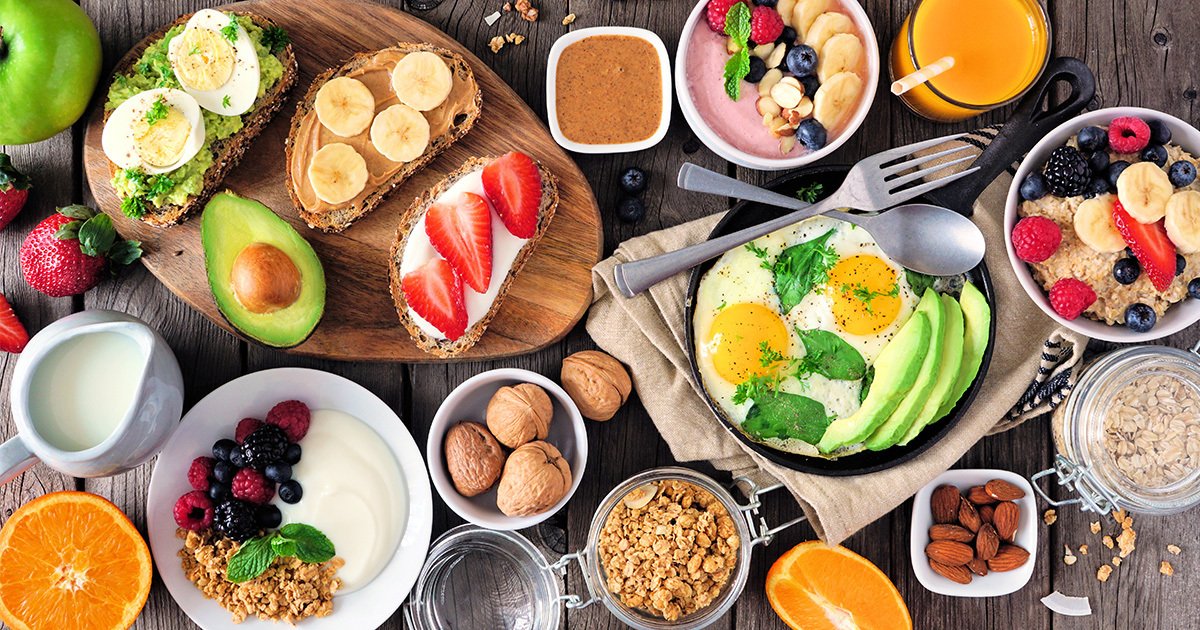
“Breakfast is the most important meal of the day” — we’ve all heard it, usually from cereal companies. But is it healthy to skip breakfast every day? Millions of people do, many deliberately through intermittent fasting. The science is more nuanced than the slogan, and the real answer depends on what the rest of your day looks like.
Is It Healthy to Skip Breakfast Every Day? What Research Shows
Observational studies long linked skipping breakfast to obesity and heart issues — but breakfast-skippers in those studies also tended to smoke more, exercise less, and eat worse overall. Correlation, not causation. Randomized trials tell a calmer story: when calories are controlled, skipping breakfast doesn’t inherently slow metabolism or cause weight gain. Your body doesn’t have a “starvation mode” switch that flips at 10am.
What does show up consistently: breakfast-skippers who eat well the rest of the day do fine; breakfast-skippers who compensate with junk and overeating at night don’t. The meal isn’t magic — the day’s total pattern is. Cleveland Clinic’s nutrition experts land in this middle ground: breakfast helps many people, but it’s not mandatory for health.
When Skipping Works Fine
Skipping breakfast is generally fine if: you’re not genuinely hungry in the morning (hunger signals vary enormously between people), your first meal is nutritious rather than a vending machine raid, your energy and focus stay stable through the morning, and you’re doing it deliberately — as with intermittent fasting — rather than through chaotic undereating.
Many people discover they feel better skipping: no mid-morning crash, simpler routine, natural calorie control. If that’s you, the old slogan was wrong about you specifically. Bodies differ; dogma doesn’t.
When You Should Probably Eat It
- You’re ravenous by 10am and overeat later: the classic failed-skipper pattern. A protein-rich breakfast (eggs are ideal here) prevents the rebound.
- Morning workouts: training fasted works for some, but most people perform better with fuel — see what to eat before workouts.
- Kids and teens: the evidence for breakfast benefiting school-age concentration is stronger than for adults. Feed the kids.
- Pregnancy, diabetes, or blood sugar issues: regular meals matter more here — discuss with your doctor, not the internet.
- You’re using “skipping” to mask disordered eating: be honest with yourself. There’s a line between fasting and restriction, and it matters.
If You Do Eat Breakfast, Make It Count
Whether you eat breakfast daily or break your fast at noon, the first meal sets the day’s tone. Here’s how to build one that actually works.
The formula: protein + fiber + some fat. This trio slows digestion, stabilizes blood sugar, and keeps you full for hours. The classic failures — pastries, sugary cereal, juice — are carbs alone: fast spike, faster crash, hungry by 10am. Compare: a donut (300 cal, hungry in an hour) vs. Greek yogurt with berries and nuts (300 cal, full till lunch). Same calories, different day.
Five breakfasts that deliver: (1) [[i:177|Eggs any style]] + whole grain toast + fruit — the gold standard. (2) Oatmeal with peanut butter and banana — fiber bomb, endlessly customizable. (3) Greek yogurt parfait with berries and granola — 20g+ protein without cooking. (4) Whole-grain toast with avocado and eggs — fats + protein + fiber. (5) Protein smoothie: frozen fruit + protein powder + spinach + milk — drinkable nutrition for the time-starved (see [[i:411|smoothies that keep you full]]).
Meal-prep options: Overnight oats (5 jars, Sunday night, grab-and-go all week), egg muffins (baked in a muffin tin, reheated in seconds), chia pudding, or pre-portioned smoothie bags in the freezer. The people who eat well consistently aren’t more disciplined — they’re more prepared.
What to drink: Water first (you wake dehydrated), then coffee or tea if you drink it — [[i:153|coffee’s fine]] for most people. Skip the juice: it’s soda with better marketing — eat the orange instead. And if you’re [[i:185|fasting until noon]], make that first meal at noon follow the same formula. The “most important meal” isn’t about timing — it’s about composition. Protein, fiber, real food. Whenever you eat it.
Breakfast FAQs
Is oatmeal actually healthy?
Yes — one of the best breakfast foundations: high fiber (including beta-glucan, which supports cholesterol), filling, cheap, versatile. The caveat is what you add: plain oatmeal with fruit and nuts is excellent; instant packets with 15g of added sugar are dessert. Buy plain, flavor it yourself.
What about breakfast for kids?
More important than for adults — the evidence linking breakfast to school-age concentration and behavior is stronger. Prioritize protein and fiber over sugar: eggs, yogurt, oatmeal beat pastries and sugary cereal decisively. And model it: kids who see parents eating real breakfast eat better themselves.
Can I drink coffee before breakfast?
Yes, for most people — the “coffee on an empty stomach” concern is overstated unless you have acid reflux or anxiety sensitivity. What matters more: total caffeine timing (before noon-ish for sleep) and what else is in the cup. Black coffee before breakfast is fine; a 500-calorie syrup drink “before breakfast” is breakfast, just a bad one.
The Practical Takeaway
Stop asking “is breakfast mandatory” and ask “how do I feel and perform?” Try two weeks with a solid breakfast (protein + fiber, not pastries) and two weeks without, keeping everything else constant. Track energy, hunger, mood, and weight. Your data beats any study — because you’re not the average of a study population, you’re you.
Either way, make your first meal count whenever it happens: breakfast ideas that keep you full if you eat early, or a genuinely nutritious lunch if you don’t. The most important meal of the day isn’t breakfast or any other — it’s the next one you eat. Make it a good one.
The Bottom Line on Breakfast
After all the debate, here’s the simple framework: eat when you’re hungry, make it nutritious when you do, and stop outsourcing the decision to slogans — whether “most important meal” or “skipping is superior.” Your body’s signals, your energy levels, and your health markers are the authorities; everything else is noise. The breakfast wars were never really about breakfast — they were about the human desire for one simple rule. Nutrition doesn’t work that way. You do. Listen to yourself, eat well, and let the cereal companies argue among themselves.


