How Often to Water a Snake Plant? Complete Answer
How often to water a snake plant? Every 2-3 weeks in spring and summer, every 4-6 weeks in winter. Learn the soak-and-dry rule and overwatering signs.
Written by admin
Published October 31, 2026
Reading time 5 minutes
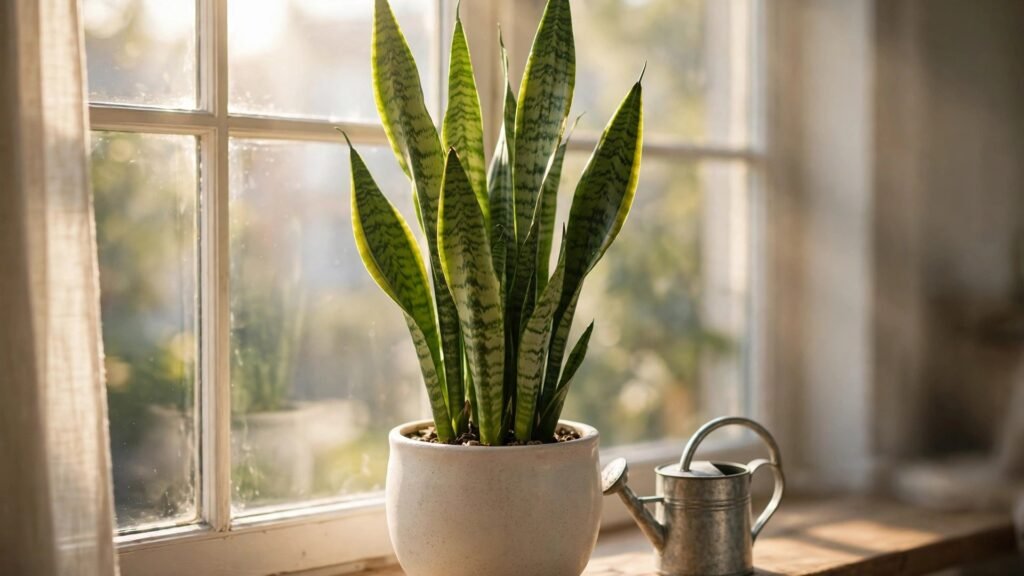
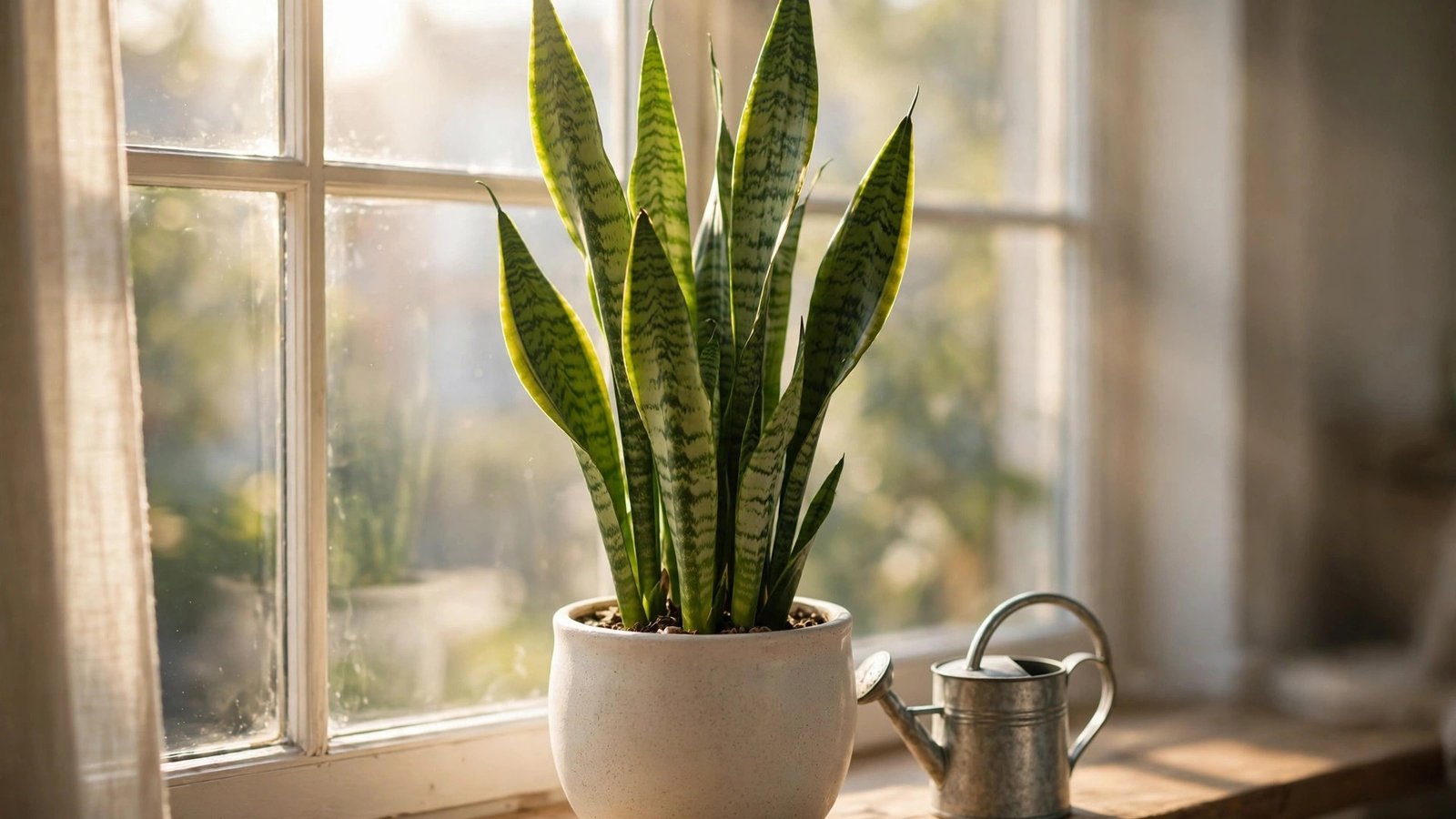
How Often to Water a Snake Plant? Complete Answer
The direct answer: water your snake plant every 2–3 weeks during spring and summer, and every 4–6 weeks in fall and winter. More precisely: water only when the soil is completely dry all the way through the pot. Snake plants (Sansevieria, now classified as Dracaena) are succulents that store water in their thick leaves — they tolerate drought far better than they tolerate wet feet, and overwatering is the #1 killer of these plants.
If you’re a New York City apartment dweller, the snake plant is practically the perfect houseplant: it survives low light, dry radiator-heated air, and owners who forget it exists for weeks. But “hard to kill” doesn’t mean “impossible to kill.” Here’s exactly how to get watering right.
The Golden Rule: Dry Soil, Then Soak
Forget the calendar — the real rule is the soak-and-dry method:
- Stick your finger 2 inches into the soil (or use a wooden chopstick/moisture meter for deeper pots).
- If you feel any moisture, wait. Check again in a few days.
- If the soil is bone-dry all the way down, water thoroughly until water drains freely from the pot’s drainage holes.
- Empty the saucer or cache pot after 15–20 minutes. Never let the plant sit in standing water.
When in doubt, wait another week. A thirsty snake plant’s leaves may wrinkle slightly or curl inward — and it will bounce back within a day of watering. An overwatered snake plant develops mushy, yellow leaves and root rot, which is often fatal.
Watering Schedule by Season
- Spring (March–May): Every 2–3 weeks. Growth resumes; the plant drinks more.
- Summer (June–August): Every 2–3 weeks, possibly every 10–14 days in very hot, bright spots. NYC apartments with south-facing windows and no AC can dry pots fast.
- Fall (September–November): Every 3–4 weeks as growth slows.
- Winter (December–February): Every 4–6 weeks, sometimes even less. Short days, cool windowsills, and dry indoor air mean the plant barely drinks. This is when most overwatering deaths happen — owners keep the summer schedule out of habit.
Factors That Change How Often You Water
- Light: A snake plant in bright, indirect light uses water faster than one in a dim hallway. Low-light plants may need water only monthly even in summer.
- Pot type: Terracotta pots wick moisture away and dry out faster than plastic or glazed ceramic. If you tend to overwater, terracotta is your friend.
- Pot size: Oversized pots hold excess soil that stays wet around the roots — a classic cause of rot. Keep the pot snug, only 1–2 inches wider than the root ball.
- Soil mix: Snake plants need fast-draining soil. Use a cactus/succulent mix, or amend regular potting soil with perlite or coarse sand (roughly 50/50). Dense, moisture-retentive soil stays wet too long.
- Drainage holes: Non-negotiable. A pot without drainage is a slow death sentence for a snake plant.
- NYC radiator heat: Forced-air and radiator heating in winter dries the air, but the soil in a cool apartment may still stay damp for weeks. Always check the soil, not the air.
Signs of Overwatering vs. Underwatering
Overwatered (the common killer): Yellow, mushy, or translucent leaves — especially at the base. Leaves may flop over or pull out easily. The soil smells sour or musty. Fix: stop watering immediately, remove rotted leaves, and if the roots are black and mushy, unpot, trim dead roots, and repot in dry, fresh mix.
Underwatered (rare, and recoverable): Leaves wrinkle, curl inward, or develop dry brown tips. The plant looks dull. Fix: give it a thorough soak — it will usually perk up within 24–48 hours.
How to Water: Technique Matters
- Water the soil, not the leaves. Pour slowly and evenly around the base until water flows from the drainage holes. Avoid getting water trapped in the leaf rosette’s center, where it can cause rot.
- Use room-temperature water. Cold water shocks the roots.
- Bottom watering works too. Set the pot in a basin of water for 20–30 minutes and let it wick up moisture, then drain. This encourages deep root growth.
- Tap water is fine for most snake plants. If your water is heavily chlorinated or fluoridated and you notice brown leaf tips, let water sit out overnight before using.
Common Mistakes to Avoid
- Watering on a fixed schedule without checking the soil. Schedules are starting points, not rules.
- Misting the leaves. Snake plants don’t need humidity, and wet leaves invite fungal problems.
- Using a pot that’s too big. Excess soil = excess moisture = root rot.
- Leaving water in the decorative outer pot. Always drain cache pots.
- Repotting into dense garden soil. It compacts and suffocates the roots.
FAQs
Can I water my snake plant once a month?
In most indoor conditions, yes — monthly watering is perfectly fine, especially in fall and winter or in low light. Many healthy snake plants thrive on a strict once-a-month routine.
How do I know if my snake plant needs water?
Check the soil 2 inches deep with your finger. If it’s completely dry, water. Wrinkled or inward-curling leaves are also a sign of thirst. When uncertain, wait — underwatering is always safer than overwatering.
Should I water a snake plant from the top or bottom?
Either works. Top watering is simpler; bottom watering ensures even moisture and keeps the leaf bases dry. Just make sure excess water drains away in both cases.
Can a snake plant survive 2 months without water?
Often yes, especially in winter or low light. They’ll look a bit wrinkled but typically recover fully after a good soak. Don’t make it a habit, though — chronic drought stress weakens the plant over time.
Why are my snake plant’s leaves turning yellow and mushy?
Almost certainly overwatering and root rot. Stop watering, check the roots, trim anything black and mushy, and repot in dry, well-draining soil. Water sparingly going forward.
The bottom line: water every 2–3 weeks in the growing season, every 4–6 weeks in winter, and always let the soil dry out completely between waterings. Master that one habit and your snake plant will outlive your lease — probably several of them.