How to Shop Sustainably on a Tight Budget in NYC
How to shop sustainably on a tight budget in NYC: thrift strategies, cost-per-wear math, the best secondhand spots, and green swaps that actually save money.
Written by admin
Published November 6, 2026
Reading time 6 minutes
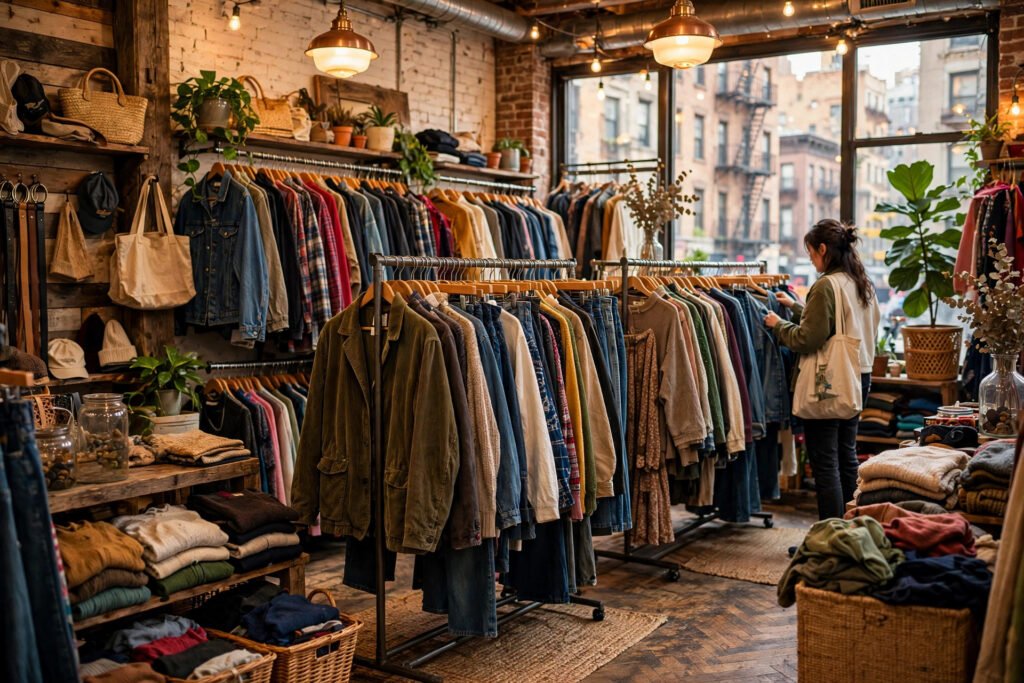
Sustainable shopping has a PR problem: it looks expensive. The Instagram version involves $200 organic linen dresses and artisanal everything, which is not helpful when your budget says otherwise. Here is the secret the sustainability movement does not advertise enough: the most sustainable shopping is usually the cheapest shopping. Buying less, buying used, and buying things that last are simultaneously the greenest and most budget-friendly strategies available.
This is the practical guide to shopping sustainably on a tight budget in New York City — where the secondhand ecosystem is world-class and your dollars stretch furthest.
Rule Zero: Buy Less (the Cheapest Sustainability)
The greenest product is the one you do not buy. Before any purchase, run the 48-hour rule: wait two days before buying anything non-essential. Most impulse desires evaporate. For the ones that survive, ask: can I borrow it, rent it, or buy it used? NYC makes all three easy — tool libraries, clothing swaps, and Buy Nothing groups in nearly every neighborhood.
This is not deprivation; it is curation. People who buy less report higher satisfaction with what they own — the paradox of choice working in reverse. And every un-bought item is 100% off and zero-waste.
Thrift Like a New Yorker
NYC’s secondhand scene is arguably America’s best, and it rewards strategy:
Know the tiers. Housing Works and Goodwill for everyday hunting (cheap, high volume, requires patience); curated vintage shops in Williamsburg, Bushwick, and the East Village for higher-quality finds at moderate prices; designer consignment (Beacon’s Closet, 2nd Time Around) for investment pieces at 50–70% off retail. Each tier serves different needs — learn which serves yours.
Thrift the high-impact categories. Clothing and furniture carry the largest embodied emissions in household shopping. A secondhand couch saves roughly the CO2 of driving 1,000 miles versus buying new. Prioritize used for: furniture, clothing, books, kitchenware, and electronics (refurbished).
Learn the rhythms. Thrift stores restock on schedules — ask staff when new items hit floors. Weekday mornings beat Saturday crowds. End-of-season donations (January, September) flood stores with quality castoffs.
Check quality, not brand. The thrift skill is assessing construction: natural fabrics, solid wood, metal zippers, lined garments. A well-made no-name piece outlasts a fast-fashion brand name every time. Our guide to building a capsule wardrobe on a budget pairs perfectly with thrift strategy.
The Cost-Per-Wear Math
Fast fashion’s trick is making you compare sticker prices instead of lifetime costs. A $15 shirt worn 5 times costs $3/wear; a $45 thrifted-or-quality shirt worn 100 times costs $0.45/wear. The “expensive” sustainable choice is usually cheaper — you just have to think in wears, not price tags.
Apply this to everything: boots, coats, bags, furniture. The FTC’s Green Guides help you evaluate environmental marketing claims (much “sustainable” branding is greenwashing), but the cost-per-wear math needs no certification — it is just arithmetic.
Green Swaps That Actually Save Money
Not all sustainable swaps cost more. The ones that save money from day one:
Reusable everything: water bottle, coffee cup (many NYC cafes discount 25–50 cents for reusables), shopping bags, food containers. Payback period: weeks.
Bar soap and shampoo bars: cheaper per use than bottled, zero plastic, last longer. The NYC zero-waste stores (there are several across Brooklyn and Manhattan) sell them package-free.
Secondhand first for kids and pets: children outgrow everything in months; buying new is paying retail for temporary use. NYC parent listservs and swap groups are goldmines.
Refill stations: cleaning products, soaps, and pantry staples at refill shops cost less per ounce than packaged equivalents once you own the containers.
For groceries specifically — the other major shopping category — our guide to saving money on groceries every month covers the food side of sustainable budget shopping.
Navigating Greenwashing on a Budget
“Sustainable,” “eco-friendly,” “natural,” and “green” are unregulated marketing terms — anyone can print them on anything. On a tight budget, you cannot afford to pay the green premium for fake greenness. Red flags: vague claims with no specifics, irrelevant truths (“CFC-free!” — everything is, since the 90s), hidden trade-offs (organic but shipped by air freight), and certification logos you do not recognize. The EPA’s Safer Choice label and legitimate third-party certifications (GOTS for textiles, FSC for wood) are the real signals; everything else deserves skepticism.
The budget protector’s rule: the most sustainable claim is the one you can verify. “Used” is verifiable. “Built to last 20 years” is verifiable through construction. “Eco-conscious brand values” is not.
NYC Resources Worth Knowing
Beyond thrift stores: Buy Nothing groups (hyperlocal, everything free); clothing swaps (regular events across Brooklyn and Queens — bring clothes, take clothes); materials reuse centers (building materials, furniture, art supplies at deep discounts); farmers’ markets (seasonal produce often cheaper than grocery stores at closing time); and library “libraries of things” (borrow tools, instruments, equipment free). NYC’s reuse resources list current programs. And for the fashion angle specifically, making fast fashion purchases more sustainable covers what to do when you do buy new.
The 30-Day Sustainable Shopping Challenge
Theory is good; practice is better. Try this 30-day reset: Week 1: buy nothing non-essential — just observe your impulses and note what you almost bought. Week 2: for anything you still want, check secondhand first (thrift stores, Buy Nothing groups, refurbished). Week 3: do the cost-per-wear math on three recent purchases — the results usually rewire your instincts permanently. Week 4: set up one lasting system — a refill station routine, a capsule wardrobe plan, or a monthly clothing-swap with friends. Track spending across the month; most people save 20–40% versus their baseline while acquiring better things. The challenge works because it is time-boxed (not a forever vow) and evidence-based — by day 30, you have personal data on what sustainable shopping feels like, which beats any article’s advice. Repeat quarterly; each round gets easier as the systems become habits.
Conclusion
Shopping sustainably on a tight budget in NYC is not about premium eco-products — it is about buying less, buying used, doing the cost-per-wear math, choosing the swaps that save money, and ignoring greenwashing. The city’s secondhand infrastructure makes this easier here than almost anywhere: thrift tiers for every budget, swap culture, reuse centers, and Buy Nothing networks. Sustainable and broke are not opposites. Done right, they are the same strategy.
Frequently Asked Questions
Is sustainable shopping more expensive?
Often the opposite. Buying less, buying used, and choosing durable goods are simultaneously the greenest and cheapest strategies. The “expensive” perception comes from premium eco-brands, which are optional — not the core of sustainable shopping.
What is cost-per-wear and why does it matter?
Price divided by number of wears/uses. A $15 shirt worn 5 times ($3/wear) is more expensive than a $45 shirt worn 100 times ($0.45/wear). It reveals fast fashion’s false economy.
Where are the best thrift stores in NYC?
Housing Works and Goodwill for volume and prices; Beacon’s Closet for curated consignment; Williamsburg/Bushwick/East Village vintage shops for quality finds. Weekday mornings and end-of-season are the best times.
How do I spot greenwashing?
Watch for vague claims (“eco-friendly” with no specifics), irrelevant truths, and unrecognized certifications. Trust verifiable claims (used, specific materials, recognized third-party labels like GOTS or EPA Safer Choice).
What are Buy Nothing groups?
Hyperlocal gift-economy communities (usually on Facebook) where neighbors give away items free — furniture, clothes, household goods. Most NYC neighborhoods have active groups; they are among the best free resources in the city.