
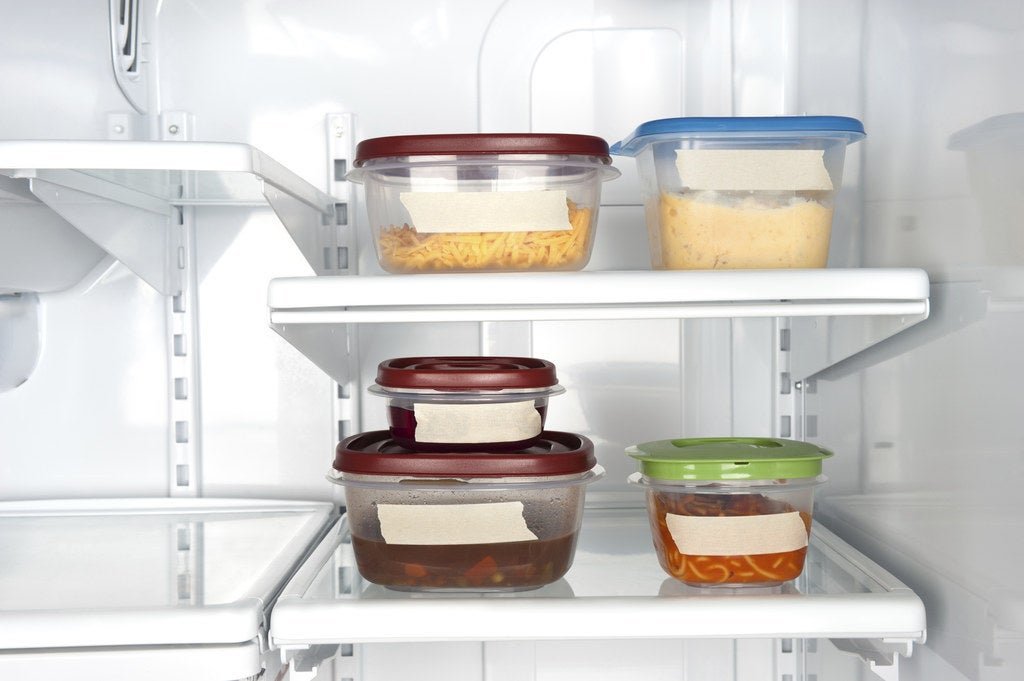
Your freezer is either a treasure chest of future dinners or a graveyard of frostbitten mystery containers. There’s not much in between. I’ve been both people — the one who triumphantly pulls out a perfect lasagna on a busy Tuesday, and the one who throws away a freezer-burned blob labeled “soup???” in faded marker. The difference is knowing the best way to freeze leftovers safely, and it’s simpler than most people think.
Freezing food safely comes down to three things: cooling it down fast, packaging it right, and not keeping it so long it turns into an archaeological artifact. Get those right and your leftovers will taste nearly as good as the day you made them.
What Is the Best Way to Freeze Leftovers Safely? The Core Rules
1. Cool it down quickly — but don’t put a steaming pot in the freezer
This is where food safety actually matters. Bacteria multiply fastest between 40°F and 140°F (the “danger zone”), so you want food to pass through that range within two hours. But putting a giant hot pot in the freezer warms everything around it and makes your freezer work overtime.
The practical middle ground: divide big batches into shallow containers so they cool fast, leave them on the counter for 30–45 minutes (no more than two hours total), then move them to the fridge. Once they’re cold, transfer to the freezer. For soups and stews, an ice bath in the sink speeds things up dramatically.
The USDA’s Food Safety and Inspection Service is clear on this: refrigerate or freeze perishables within two hours of cooking (one hour if it’s above 90°F outside). That’s the rule that actually keeps you safe.
2. Package like you mean it
Freezer burn isn’t dangerous, but it ruins food — it’s just dehydration from air exposure. Your packaging is the entire defense:
- Squeeze out the air. Freezer bags with the air pressed out beat rigid containers for most things. For liquids, leave about an inch of headspace — they expand as they freeze.
- Double-wrap the good stuff. Meat and anything you’ll keep longer than a month deserves plastic wrap plus foil, or a vacuum seal if you have one.
- Portion before freezing. Freeze in the amounts you’ll actually eat. A single giant block of chili means thawing the whole thing; four individual portions mean Tuesday dinner is handled.
- Label everything. Write the contents AND the date. You will not remember what “red stuff 10/17” is in February. Trust me.
3. Know what freezes well (and what doesn’t)
Some foods come out of the freezer like champions; others come out ruined. Here’s the honest breakdown:
Freezes beautifully: Soups, stews, chili, cooked beans, lasagna, meatballs, pulled pork, cooked rice and grains, bread and baked goods, butter, cheese (hard cheeses best), raw meat and poultry, homemade soup of almost any kind.
Freezes okay with caveats: Casseroles (slightly softer after), cooked pasta (freeze it slightly underdone), mashed potatoes (add extra butter; they can go grainy), fried foods (lose their crisp — reheat in the oven, not the microwave).
Don’t bother: Raw lettuce and salad greens (turn to mush), cucumbers, hard-boiled eggs (rubbery), cream-based sauces can separate (still edible, just stir well), fried crispy things you want crispy again.
How Long Can Leftovers Stay Frozen?
Frozen food doesn’t really “go bad” in a safety sense if it stays frozen — but quality drops over time. Practical guidelines:
- Soups, stews, chili: 2–3 months at peak quality
- Cooked meat and poultry: 2–4 months
- Casseroles and lasagna: 2–3 months
- Bread and baked goods: 2–3 months
- Raw meat: 4–12 months depending on the cut
Your freezer should be at 0°F or below. If you’re not sure, a five-dollar freezer thermometer is worth it — a freezer running at 15°F will quietly ruin food quality twice as fast.
Thawing Without Regret
How you thaw matters almost as much as how you freeze. The safe methods, ranked by convenience:
- Fridge thawing (best): Move it to the fridge the night before. Slow, safe, best texture. A pound of meat takes about a day.
- Cold water thawing: Sealed bag in cold water, changed every 30 minutes. A pound thaws in about an hour. Cook it right after.
- Microwave: Fine for small portions you’ll eat immediately. Uneven, but safe if you cook it right away.
- Never: On the counter all day. That’s the danger zone for hours, and it’s how people get sick.
Pro tip: freeze soups and stews flat in zip-top bags. They thaw in a fraction of the time, stack like files in the freezer, and you can break off what you need. It also pairs perfectly with a small grocery budget stretched into a week of meals — batch cooking and freezing is the backbone of cheap eating.
The Practical Takeaway
Freezing leftovers safely is just: cool within two hours, package airtight in real portions, label with the date, keep the freezer at 0°F, and thaw in the fridge. Five habits, and your freezer goes from mystery-container graveyard to the best meal-prep tool in your kitchen.
Start tonight with whatever’s in your fridge right now. Future busy-week you will be so glad past you bothered.
Freezer Organization: The System That Actually Works
Even perfectly frozen food is useless if you can’t find it. Here’s the system I finally settled on after years of chaos: freeze flat in labeled zip-top bags, then file them upright in a bin like folders — you can flip through and see every label at a glance. Keep a simple running list on the freezer door (whiteboard or just tape and marker) with the item and date; cross things off as you use them. Do a quick audit once a month and pull anything approaching its quality limit to the front for “use this week” meals. It sounds fussy, but it takes two minutes and it ends the era of discovering unidentifiable frozen blocks during a move. An organized freezer also makes slow cooker meal prep dramatically easier — grab a bag of frozen stew components in the morning, dump, done.


