
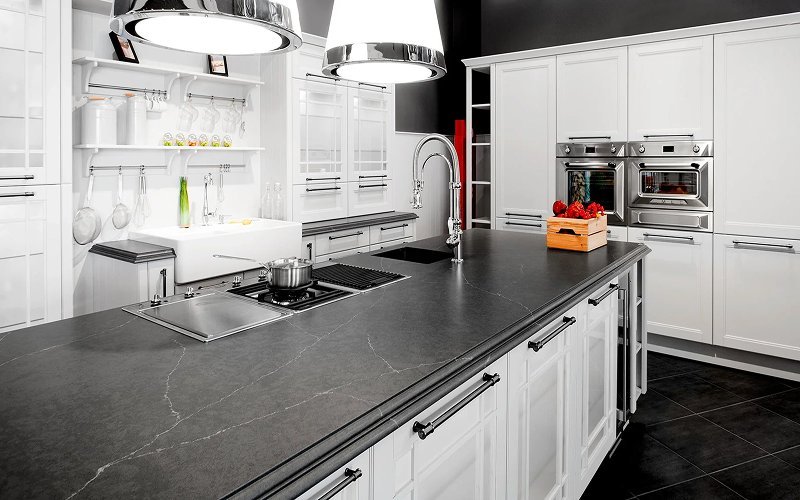
Countertops set the tone for the whole kitchen — they’re the largest visible surface and the one you touch every day. But replacement costs swing wildly by material. So how much does it cost to replace kitchen countertops in 2026? For a typical 30-square-foot kitchen: $1,500–$5,000 installed, with most homeowners landing around $3,000. Here’s the material-by-material breakdown so you can match your budget to your priorities.
How Much Does It Cost to Replace Kitchen Countertops? By Material
Installed prices per square foot (materials + labor, 2026 averages):
- Laminate: $20–$50/sq ft ($600–$1,500 for 30 sq ft). The budget king. Modern laminates mimic stone convincingly at a glance. Downsides: scratches, can’t handle hot pans, seams visible. Best for rentals and tight budgets.
- Butcher block / wood: $40–$100/sq ft ($1,200–$3,000). Warm, beautiful, repairable (sand out damage). Needs regular oiling and hates standing water. Great for the look; commit to the maintenance.
- Solid surface (Corian): $50–$120/sq ft ($1,500–$3,600). Seamless, repairable, non-porous. Scratches more easily than stone but sands out. A solid mid-range choice.
- Granite: $50–$200/sq ft ($1,500–$6,000). The longtime premium standard. Each slab unique, heat-resistant, hard. Needs periodic sealing; can stain if neglected. Prices vary hugely by rarity of the stone.
- Quartz (engineered stone): $60–$200/sq ft ($1,800–$6,000). The current market leader — non-porous (no sealing), consistent patterns, very hard. Not as heat-proof as granite (hot pans can damage resin). The low-maintenance luxury pick.
- Marble: $75–$250/sq ft ($2,250–$7,500). Stunning, timeless, and high-maintenance — etches with acids (lemon, vinegar), stains, needs sealing. For people who love patina, not for the anxious.
- Concrete: $70–$150/sq ft. Custom, industrial-chic, endlessly customizable. Needs sealing, can crack, heavy (check cabinet support). Niche but cool.
- Stainless steel: $80–$150/sq ft. Commercial-kitchen vibes, indestructible, shows every fingerprint. For a specific aesthetic.
What Drives the Price (Beyond Material)
- Edge profile. Standard eased edge included; ogee, waterfall, and mitered edges add $10–$30/linear foot.
- Cutouts. Each sink cutout, cooktop cutout, and faucet hole adds labor ($100–$300 each). Undermount sinks cost more to install than drop-ins.
- Backsplash. A matching 4″ backsplash is often included; full-height slab backsplash is a luxury upcharge.
- Demolition and disposal. $200–$600 to remove old counters — or DIY it (careful with plumbing disconnects).
- Plumbing reconnect. $150–$400 for sink/faucet disconnect and reconnect. Budget it.
- Seams. Slabs max out around 10 feet; longer runs need seams. Fewer seams = more material waste = higher cost.
How Much Does It Cost to Replace Kitchen Countertops? Saving Strategies
- Keep the layout. Same sink location, same footprint — no plumbing changes, no surprises.
- Choose mid-range quartz or granite. The popular colors are popular partly because they’re affordable — exotic stones cost double.
- Remnants for small areas. Bathroom vanities, laundry rooms, small islands — stone yards sell remnants at steep discounts.
- DIY the demo. Removing old laminate counters is straightforward; save the $300–$600.
- Get 3+ quotes from fabricators (not just big-box stores). Independent fabricators often beat big-box pricing with better service. HomeAdvisor’s countertop cost data helps you sanity-check quotes for your area.
- Consider refacing instead. If the counters are structurally fine but dated, epoxy refinishing kits ($100–$300 DIY) or professional resurfacing ($400–$800) buy years at a fraction of replacement.
Choosing the Right Material for YOUR Kitchen
- Busy family kitchen: quartz — indestructible, no maintenance, looks great.
- Budget refresh: quality laminate or butcher block — both punch above their price.
- Love to cook seriously: granite or stainless — heat tolerance matters.
- Design-forward: marble (embrace patina) or concrete (custom everything).
- Rental property: laminate — durable enough, cheap to replace.
And remember the counters are part of a bigger picture — if you’re updating the kitchen on a budget, counters are the splurge item to plan around, not an impulse buy.
Countertop Maintenance by Material
The right counter is only half the decision — keeping it beautiful is the other half:
- Granite: seal annually (the water test: if water darkens the stone instead of beading, reseal). Daily: mild soap and water. Avoid: acidic cleaners, bleach, and sitting oils. Re-sealing takes 20 minutes — the most skipped 20 minutes in kitchen maintenance.
- Quartz: the low-maintenance champion — no sealing ever. Daily: soap and water or quartz-specific cleaner. Avoid: extreme heat (use trivets — thermal shock can crack the resin), harsh chemicals, and abrasive pads.
- Marble: seal every 6–12 months, wipe acids immediately (lemon, wine, vinegar etch on contact), use cutting boards and coasters religiously. Embrace patina or choose another stone — there’s no middle ground.
- Butcher block: oil monthly with food-grade mineral oil (more in dry climates), sand out stains and cuts as needed, never let water stand. A well-oiled block is gorgeous and lasts decades; a neglected one cracks and harbors bacteria.
- Laminate: soap and water, nothing abrasive. The enemy is heat (trivets always) and standing water at seams. Can’t be repaired — prevention is everything.
- Concrete: reseal every 1–3 years depending on sealer type, wipe spills promptly (it’s porous), avoid acids. Wax topically for extra protection in hard-use kitchens.
The daily habit that matters most: wipe up promptly. Every countertop material — even quartz — does better when spills don’t sit. A 30-second wipe after cooking prevents 90% of staining and etching across all materials.
And coordinate maintenance with the rest of the kitchen: counters, cabinets, and backsplash age together — when one needs attention, inspect the others. The kitchens that look great at year ten aren’t the most expensive ones; they’re the ones whose owners did the boring maintenance on schedule. One more habit worth building: keep a dedicated cutting board and trivet permanently on the counter — the easier the right behavior is, the more often it happens, and counters die from a thousand small insults, not one big one.
The Practical Takeaway
Replacing kitchen countertops costs $1,500–$5,000 for a typical kitchen, averaging ~$100/sq ft installed for quartz or granite. Laminate ($20–$50/sq ft) and butcher block ($40–$100) deliver the best value; quartz delivers the best low-maintenance luxury. Keep the layout unchanged, get multiple fabricator quotes, DIY the demo, and consider remnants for small areas. The right counter is the one that matches how you actually cook — not the one that photographs best.


