
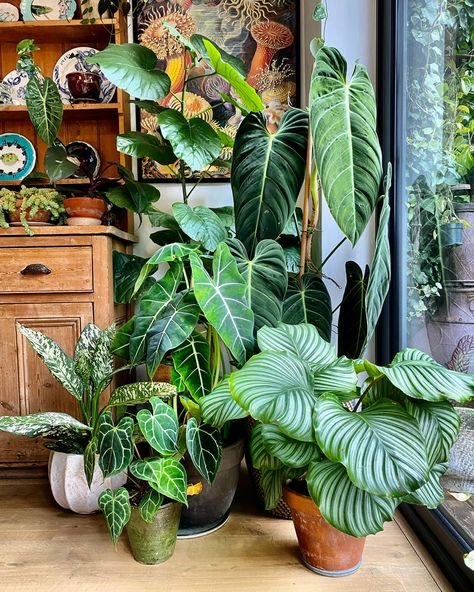
You want plants. You’ve killed plants. The cycle of hope and brown leaves is familiar. But here’s the truth: most “black thumbs” just started with the wrong plants. So what are the best plants for a beginner indoor garden? The forgiving ones — plants that tolerate missed waterings, low light, and general neglect while still looking great. These nine are nearly indestructible, and they’ll teach you the basics without the heartbreak.
What Are the Best Plants for a Beginner Indoor Garden? The Top 9
1. Pothos (Epipremnum aureum)
The undisputed beginner champion. Tolerates low light, tells you when it’s thirsty (leaves droop dramatically, then perk up within hours of watering), and grows fast enough to feel rewarding. Trailing vines look great on shelves. Care: water when the top inch of soil is dry; any indirect light. Warning: toxic to pets — keep away from curious cats and dogs.
2. Snake plant (Sansevieria)
Architectural, sculptural, and nearly immortal. Tolerates low light, infrequent watering (every 2–3 weeks), and general abandonment. The #1 killer is overwatering — when in doubt, don’t. Care: let soil dry completely between waterings; any light conditions.
3. ZZ plant (Zamioculcas zamiifolia)
Glossy, upright, thrives on neglect. Stores water in its rhizomes, so it forgives forgotten waterings for weeks. Great for dark corners where nothing else survives. Care: water every 2–3 weeks; low to bright indirect light.
4. Spider plant (Chlorophytum comosum)
The 1970s classic that earned its reputation. Produces baby “spiderettes” you can propagate into new plants (free plants forever). Tolerates inconsistent watering and lower light. Care: water when soil is dry; bright indirect light preferred but adaptable. Pet-safe!
5. Peace lily (Spathiphyllum)
Elegant white blooms, dramatic droop-when-thirsty communication, and excellent low-light tolerance. One of the few flowering plants that’s genuinely beginner-friendly. Care: keep soil lightly moist; low to medium light. Toxic to pets.
6. Cast iron plant (Aspidistra elatior)
The name says it all — Victorians grew these in dark, gas-lit parlors. Slow-growing but bulletproof: low light, irregular watering, temperature swings. Care: water when dry; tolerates deep shade.
7. Jade plant (Crassula ovata)
The beginner succulent. Thick leaves store water; it wants bright light and infrequent deep watering. Can live for decades and become a small tree-like specimen. Care: brightest window you have; water deeply, then let dry completely.
8. Herbs: mint, basil, chives
If you want an edible indoor garden, start here. Mint is nearly unkillable (grow it in its own pot — it invades). Basil wants sun and consistent water; chives tolerate almost anything. A sunny windowsill herb trio is practical and rewarding. Care: brightest light available; keep soil moist but not soggy.
9. Parlor palm (Chamaedorea elegans)
Slow, graceful, and tolerant of low light — the classic “plant that survives offices.” Adds soft tropical texture. Pet-safe, which matters in animal households. Care: water when the top inch dries; low to medium light.
The Sill’s plant care guides have detailed profiles for each of these if you want deeper care instructions.
Beginner Care Basics (The 5 Rules)
- Light matters most. “Low light tolerant” doesn’t mean “no light” — every plant needs some. Bright indirect light (near a window, not in direct sun) suits most beginners’ plants. South/west windows are brightest; north windows are dimmest.
- Overwatering kills more plants than underwatering. The #1 beginner mistake. Check soil moisture with your finger before watering — if the top inch is damp, wait. Most houseplants prefer drying slightly between waterings.
- Drainage is non-negotiable. Every pot needs drainage holes. No holes = root rot = dead plant. Decorative pots without holes? Use them as cachepots with a nursery pot inside.
- Start with fewer plants. Three plants you learn well beat twelve you neglect. Add more as your confidence (and windowsill space) grows.
- Learn your home’s conditions. Which windows get sun? How dry is your winter air? Match plants to your reality, not your aspirations.
Pet Owners: Read This
Several beginner favorites (pothos, snake plant, peace lily, ZZ) are toxic to cats and dogs. If you have pets, stick to the safe list: spider plants, parlor palms, Boston ferns, herbs, and calatheas. The ASPCA’s toxic plant database is the authority — check before buying. Hanging planters keep toxic plants out of reach as a compromise.
Growing Herbs Indoors: The Edible Upgrade
Once you’ve kept a pothos alive for six months, herbs are the natural next step — same basic care, plus you get to eat the results:
- Start with the forgiving trio: mint (nearly unkillable, but give it its own pot — it invades), chives (tolerate neglect and low light), and parsley (steady grower, cut-and-come-again).
- Basil wants more: the sunniest window you have, consistently moist soil, and regular pinching (which makes it bushier). It’s needier than your other beginner plants but worth it.
- Light is the limiting factor. Most herbs want 6+ hours of direct sun — more than foliage houseplants. A south-facing window works; anything less and a $20–$30 LED grow light pays for itself in usable herbs within months.
- Harvest correctly. Never take more than 1/3 of the plant at once; pinch from the top to encourage branching; use scissors rather than tearing. Regular harvesting actually keeps herbs productive — neglect makes them leggy.
- Feed lightly. Herbs in pots exhaust their soil nutrients in weeks. Half-strength liquid fertilizer every 2–4 weeks during growing season keeps them lush.
The windowsill-to-kitchen pipeline: growing herbs is only half the skill — keeping them fresh after harvest is the other. Once you’re cutting more than you can use immediately, learn how to store fresh herbs so they last longer — the bouquet method in the fridge, freezing in oil cubes, and proper drying for woody types. Grow, harvest, store, cook: the complete cycle turns a sunny windowsill into a genuine (if small) contribution to your kitchen.
The Practical Takeaway
The best plants for a beginner indoor garden are pothos, snake plants, ZZ plants, spider plants, and peace lilies — all forgiving of irregular care and lower light. Remember the two big rules: don’t overwater (check soil first), and ensure drainage holes. Start with three, learn their rhythms, and expand from there. Within a year you’ll have the confidence — and the windowsill jungle — you wanted all along. And if outdoor growing calls, building a raised garden bed is the natural next step.


