
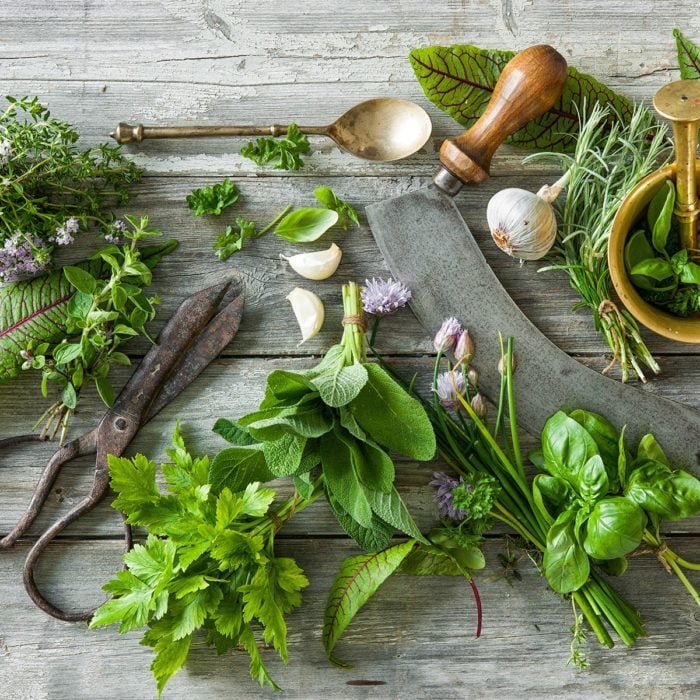
You buy a beautiful bunch of cilantro, use a quarter of it, and find the rest as green slime three days later. Fresh herbs are the most wasted item in most kitchens — and the most expensive per ounce. So what is the best way to store fresh herbs so they last longer? It depends on the herb type: soft herbs (basil, cilantro, parsley) and woody herbs (rosemary, thyme, oregano) want completely different treatment. Get it right and herbs last 2–3 weeks instead of 3 days.
Know Your Herb Type First
- Soft/tender herbs: basil, cilantro, parsley, dill, mint, tarragon. High water content, wilt fast, hate cold damage.
- Woody/hardy herbs: rosemary, thyme, oregano, sage, marjoram. Lower moisture, tougher leaves, tolerate cold well.
This distinction drives everything below. Treating basil like rosemary (or vice versa) is why most storage advice fails.
What Is the Best Way to Store Fresh Herbs So They Last Longer? By Type
Soft herbs (the bouquet method)
Trim the stems, place upright in a jar with an inch of water (like flowers), cover loosely with a plastic bag, and refrigerate — except basil. This keeps cilantro, parsley, dill, and mint fresh for 2–3 weeks; change the water every few days. It’s the single most effective herb storage method and most people have never tried it.
Basil (the diva)
Basil blackens in the fridge — cold damages its leaves. Store basil like the bouquet above but at room temperature, away from direct sun. Use within a week. If you must refrigerate, the bag-covered jar method minimizes damage, but room temp is better. Basil is the reason for the “except basil” rule.
Woody herbs (the damp towel method)
Wrap loosely in a slightly damp paper towel, place in a zip-top bag (don’t seal completely — a little airflow prevents slime), refrigerate. Rosemary, thyme, oregano, and sage last 2–3 weeks this way. Alternatively, stand them in water in the fridge door — they tolerate cold fine.
The Prep Step Everyone Skips
Wash and dry before storing — but dry thoroughly. Surface moisture is the #1 cause of slimy herbs. Wash in cold water, then spin in a salad spinner or roll in clean towels until genuinely dry. Damp herbs rot; dry herbs persist. This step alone doubles herb life regardless of method. The Spruce Eats’ herb guides confirm: moisture control matters more than container choice.
Long-Term: Freezing and Beyond
When you can’t use them fresh in time:
- Freeze in oil: chop soft herbs, pack into ice cube trays, cover with olive oil, freeze. Pop cubes directly into hot pans — instant flavor base. Perfect for basil, cilantro, parsley.
- Freeze dry (woody herbs): rosemary, thyme, oregano freeze well as whole sprigs in bags — no oil needed.
- Herb butter/salt: blend soft herbs into butter (freeze in logs) or salt (air-dry mix). Delicious and giftable.
- Dry woody herbs: hang bundles upside down in a dark, airy spot for 1–2 weeks. Works for rosemary, thyme, oregano, sage. Don’t bother drying basil or cilantro — they lose everything.
- Pesto and chimichurri: the delicious way to preserve a basil or parsley glut. Freeze in portions.
Buying and Growing Smarter
- Buy like you’ll use: the best storage can’t save herbs you won’t touch. Buy for 3–4 days of actual planned meals.
- Grocery store “living” herbs (roots attached, in soil): keep on a sunny windowsill, water when dry — they last weeks and regrow.
- Grow the workhorses: a pot each of basil, mint, rosemary, and thyme on a sunny sill or patio covers 80% of cooking needs. Mint must have its own pot — it invades everything. If you’re new to growing, beginner indoor plants include herbs that thrive on windowsills.
- Reviving wilted herbs: ice water bath for 10–15 minutes resurrects most wilted soft herbs shockingly well. Try before tossing.
Herb Pairings: What Goes With What
Once you’re growing (or buying) fresh herbs regularly, the question becomes what to do with them. The pairings that never fail:
- Basil: tomatoes (the classic), mozzarella, strawberries (seriously — try it), garlic, lemon. The backbone of summer cooking. Tear, don’t chop — bruising darkens it.
- Parsley: everything. The workhorse — tabbouleh, chimichurri, gremolata, or just showered over finished dishes. Flat-leaf has more flavor than curly; both beat dried by miles.
- Cilantro: tacos, curries, salsas, Asian soups. The divisive one (soap-gene people, you have my sympathy) — for everyone else, it’s irreplaceable.
- Dill: salmon (the canonical pairing), cucumbers, yogurt sauces, potatoes. Feathery and delicate — add at the end, never cook it long.
- Rosemary: roasted meats, potatoes, focaccia, lamb. Potent — a little goes far. Strip leaves from the woody stem before using.
- Thyme: soups, stews, roasted chicken, mushrooms. The quiet achiever — subtle but essential in French and Italian cooking.
- Mint: desserts, fruit salads, mojitos, lamb, peas. Cooling and bright — and the easiest herb to grow indoors for beginners.
- Chives: eggs, baked potatoes, soft cheeses, anything that wants a mild onion lift. Snip with scissors — fastest garnish in cooking.
The fresh-vs-dried rule: delicate herbs (basil, parsley, cilantro, dill, mint, chives) lose everything when dried — use fresh or skip them. Woody herbs (rosemary, thyme, oregano) dry well and are fine from the jar. Knowing which is which saves money and disappointment. Start with just three — parsley, basil, and chives cover an astonishing range of cooking — and expand once keeping those alive feels easy. Label your pots, too: seedlings all look alike, and mystery herbs get underused. A $5 label maker or even masking tape and a marker pays for itself the first time you confidently grab the right herb mid-recipe.
The Practical Takeaway
Storing fresh herbs longer means: wash and dry thoroughly first, bouquet-method (stems in water, bag-covered, refrigerated) for soft herbs, room temperature for basil, damp-towel-and-bag for woody herbs. Freeze the surplus in oil cubes before it turns. And consider growing the basics — a windowsill pot of basil beats any storage method because it’s always fresh. Stop throwing away $4 bunches of slime; the jar-and-water trick takes 30 seconds and triples herb life.


