
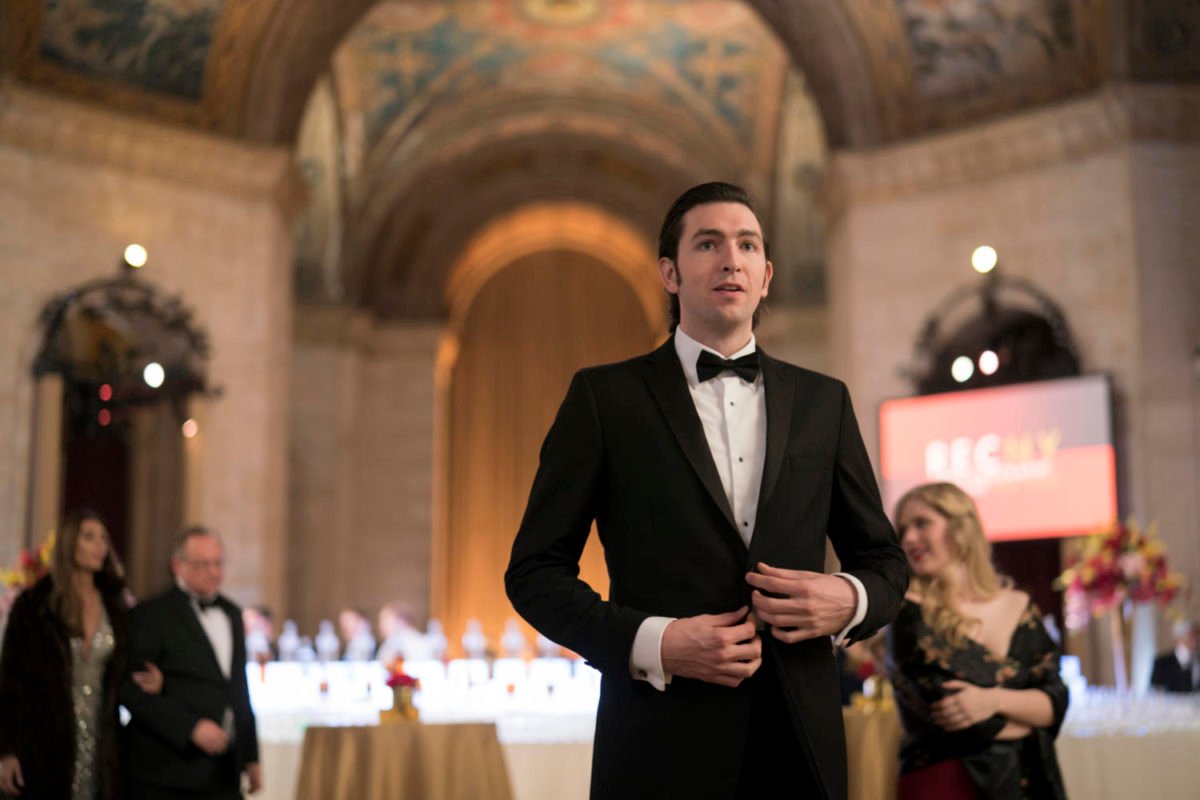
“Semi-formal” is the most confusing dress code in menswear. Too dressed up for smart casual, not quite black tie — it lives in a zone where guessing wrong is easy. What should men wear to a semi-formal event? The short answer: a suit (or sharp blazer combination), a dress shirt, and proper shoes — with the details tuned to the event’s time and venue. Let’s remove all guesswork.
What Semi-Formal Actually Means
Semi-formal sits between cocktail attire and formal: more polished than business casual, less rigid than black tie. Think weddings (non-black-tie), nice dinners, galas, holiday parties, christenings, and upscale evening events. The core principle: you should look deliberately dressed up, but not like you’re attending a state dinner.
Context clues: evening events lean dressier within semi-formal; daytime events allow lighter colors and slightly relaxed interpretations. The venue matters enormously — a ballroom demands more than a restaurant private room.
The Standard Formula
- Suit: a well-fitting suit in navy, charcoal, or dark gray. This is the safest and most correct semi-formal choice. Black suits are fine for evening but can read funereal in daylight — navy is the versatile champion.
- Shirt: white or light-blue dress shirt, pressed. French cuffs are a nice touch for evening but not required.
- Tie: yes for evening semi-formal; optional-but-safe for daytime. A tie sharpens the whole look and is easily removed if you’re overdressed. Silk, understated pattern, proper length (tip touching the belt).
- Shoes: Oxford or Derby dress shoes in black or dark brown, polished. This is non-negotiable — shoes make or break semi-formal. See our leather shoe care guide to make them shine.
- Accessories: pocket square (white linen, simple fold — instant polish), a quality watch, minimal jewelry. Belt matching shoe color.
Acceptable Variations
- Blazer + trousers (no full suit): acceptable for daytime or less formal semi-formal events — navy blazer, gray trousers, dress shirt, tie optional. Ensure the pieces look intentional together, not orphaned.
- Summer/daytime: lighter suit colors (light gray, tan) work for daytime summer events. Linen suits for beach-adjacent semi-formal — but keep the shirt crisp and shoes proper.
- Creative industries: a black turtleneck under a blazer, or a suit with no tie and an open collar, reads semi-formal in creative contexts. Know your audience.
What NOT to Wear
- Jeans of any kind — even dark, even expensive. Semi-formal has no denim.
- Polo shirts, casual button-downs (untucked), or anything without a collar structure
- Sneakers, loafers-as-slippers, or casual boots — dress shoes only
- A full tuxedo — that’s formal, and you’ll look like the waitstaff’s manager
- Novelty ties, flashy patterns, or anything that draws more attention than the occasion warrants
- Wrinkled, ill-fitting, or visibly worn clothing — fit and pressing matter more than brand
Fit and Grooming: The Multipliers
A $300 suit that fits perfectly beats a $1,500 suit that doesn’t. Shoulders end at your shoulders, jacket buttons without pulling, trousers break cleanly at the shoe, shirt cuffs show half an inch. Get the suit tailored — it’s the difference between “wearing a suit” and “looking like you own the room.” Grooming: fresh haircut (a few days before, not the morning of), trimmed nails, clean shoes, subtle fragrance or none. Our fit guide covers the checklist.
If you’re unsure how this differs from adjacent dress codes, our business casual vs. smart casual breakdown clarifies the spectrum.
What Should Men Wear to a Semi-Formal Event? Your Questions Answered
Can I wear a black suit to a semi-formal event?
For evening events, yes — a black suit with a white shirt reads appropriately formal after dark. For daytime semi-formal, black can look funereal or like you’re staff; navy or charcoal is the safer daytime choice. The real rule: black suits are evening suits in the semi-formal context. If the event spans day into evening (afternoon wedding into night reception), navy handles both better than black. When in doubt between black and navy for semi-formal: navy is almost never wrong.
Do I need a tie for semi-formal?
For evening semi-formal: yes, wear one — it’s the expected register, and removing it later is always an option. For daytime semi-formal: a tie is safe but sometimes optional, depending on the event’s formality and your industry. The tie is the easiest formality dial in menswear: wear it to arrive correctly dressed, remove it if the room is more relaxed. An open collar without a tie at a truly semi-formal evening event reads as underdressed; a tie at a relaxed daytime event just reads as polished. Err on the side of the tie.
What shoes go with a semi-formal suit?
Oxford shoes (closed lacing) are the most formal and correct; Derbies (open lacing) are slightly more relaxed but fully acceptable for semi-formal. Color: black with charcoal/black suits and for evening; dark brown with navy suits, especially daytime. The non-negotiables: polished, in good repair, with matching belt. Shoes are where semi-formal outfits most often fail — scuffed or casual shoes undermine an otherwise correct suit instantly. When packing for a destination event, wear the dress shoes traveling (they’re the bulkiest) and protect them with shoe bags. The semi-formal dress code has been stable for decades — the shoe rules are among its most consistent elements.
Can I wear a turtleneck instead of a dress shirt?
In creative or fashion-forward contexts, yes — a black turtleneck under a suit or blazer is an established semi-formal alternative (the “creative black tie” adjacent look). In traditional contexts (finance weddings, formal galas, conservative ceremonies), stick with the dress shirt and tie. Know your audience: the turtleneck signals fashion awareness in the right room and underdressing in the wrong one. It’s a high-confidence move that works when the room’s dress code has cultural flexibility — and falls flat where tradition rules.
How should a semi-formal suit fit?
The same as any suit, just with less forgiveness — semi-formal’s polish makes fit flaws more visible. Shoulders end at your shoulders (the un-alterable priority), jacket buttons without pulling, sleeves show half an inch of cuff, trousers break cleanly at the shoe with no pooling. Get it tailored: $50-100 of alterations on an off-the-rack suit produces a result indistinguishable from made-to-measure to most eyes. For a complete fit reference, our clothing fit checklist covers every garment. Fit is the difference between “wearing a suit” and “owning the room.”
The Bottom Line
Semi-formal for men = a well-fitting navy or charcoal suit, pressed dress shirt, tie for evenings, polished dress shoes, and minimal accessories. When uncertain, err slightly dressier — being the best-dressed man in the room is never the mistake. Fit and grooming do more than any label.


