
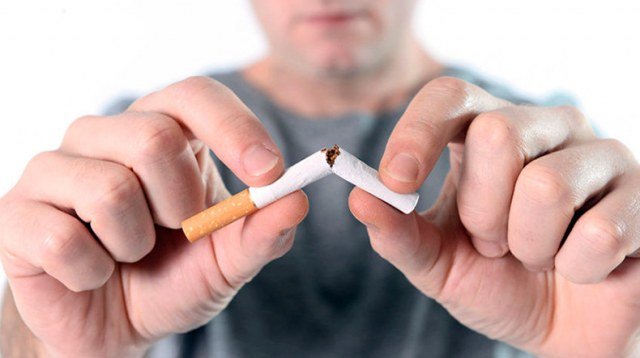
Let’s start with the truth nobody selling a miracle cure will tell you: quitting smoking is genuinely one of the hardest things a person can do. Nicotine rewires your brain’s reward system as powerfully as heroin or cocaine. Most smokers try multiple times before it sticks — and that’s normal, not failure. But what is the best way to quit smoking for good? The research is unusually clear on this one, and it’s not willpower alone.
Why Willpower Alone Usually Fails
About 95% of unaided quit attempts fail within a year. That’s not a character judgment — it’s pharmacology. Nicotine withdrawal peaks in the first week with irritability, intense cravings, difficulty concentrating, increased appetite, and mood dips. White-knuckling through that with no support is like trying to hold your breath indefinitely: technically possible for a while, unsustainable by design.
The good news flips that statistic: combining behavioral support with medication roughly triples your odds of success. The people who quit for good aren’t tougher — they’re better equipped. Let’s talk equipment.
The Methods With the Best Evidence
1. Combination nicotine replacement therapy (NRT). This is the gold standard over-the-counter approach: a long-acting patch for baseline cravings plus a fast-acting form (gum or lozenge) for breakthrough urges. Used together, they’re far more effective than either alone. Use them for the full recommended course (8-12 weeks) — quitting the NRT early is a common reason for relapse.
2. Prescription medications. Varenicline (Chantix) is the single most effective quit-smoking drug in studies — it partially stimulates nicotine receptors (reducing cravings) while blocking nicotine’s full effect (making slips less rewarding). Bupropion (Zyban) is another option, particularly helpful if low mood accompanies your quit. Both require a doctor’s prescription and a conversation about side effects.
3. Behavioral support. Counseling — even brief — significantly boosts success rates. Free options in the US include the national quitline 1-800-QUIT-NOW, text programs (text QUIT to 47848), and the Smokefree.gov resources from the National Cancer Institute. Combining support with medication is the winning formula.
4. A real quit plan. Pick a quit date 2-4 weeks out. Identify your triggers (coffee, driving, after meals, stress, alcohol — drinking and smoking are tightly linked for many people, so consider pausing alcohol during the first weeks). Remove ashtrays and lighters. Tell people. Plan what you’ll do instead during each trigger moment.
Handling the Hard Parts
- Cravings: They peak at 3-5 minutes and then fade whether you smoke or not. Delay, drink water, walk around the block, chew gum. Each resisted craving weakens the next one — the first week is the worst of it.
- Weight gain: Average is 5-10 pounds. Nicotine suppressed appetite and slightly raised metabolism. Plan for it: stock healthy snacks (see good snacks for weight loss), stay active, and remember that the health cost of 10 pounds is trivial compared to continued smoking.
- Mood dips: Irritability and low mood are withdrawal, not your new personality. They lift within 2-4 weeks. Exercise helps enormously here — even short walks.
- Social triggers: If your breaks, friendships, or routines revolve around smoking, you’ll need replacement rituals. This is the part people underestimate.
- Slips: One cigarette doesn’t erase your quit. The danger isn’t the slip — it’s the “well, I blew it” thinking that turns one into a pack. Get back on plan immediately.
What About Vaping to Quit?
Honest answer: the evidence is mixed and evolving. Some studies show e-cigarettes help some smokers quit combustibles; others show they prolong nicotine dependence or create dual use. Public health agencies are split. My take: if you’ve tried approved methods and vaping is the bridge that gets you off cigarettes, it’s clearly less harmful than continued smoking — but treat it as a bridge with an exit plan, not a destination. And never start vaping if you don’t already smoke.
What Happens After You Quit (The Good News)
Your body starts repairing shockingly fast: heart rate and blood pressure drop within 20 minutes. Carbon monoxide clears within days. Circulation and lung function improve within months. At one year, heart disease risk is roughly halved; at 10-15 years, lung cancer risk drops to about half of a continuing smoker’s. It’s never too late — quitting at 60 still adds meaningful years. Pair your quit with heart-healthy eating from our guide to foods to avoid for better heart health and you’re giving your cardiovascular system a genuine fresh start.
What Is the Best Way to Quit Smoking for Good? Your Questions Answered
Is vaping a good way to quit smoking?
It’s complicated. For smokers who’ve failed with approved methods, switching completely to vaping is clearly less harmful than continued smoking — Public Health England has estimated vaping at roughly 5% of smoking’s harm. But “less harmful” isn’t “safe,” the long-term effects are still unknown, and many people end up dual-using rather than switching. If you go this route, treat vaping as a bridge with a planned exit: step down nicotine strength over months, then quit vaping too. And never start vaping if you don’t smoke — that’s trading no risk for real risk.
How long do cravings last after quitting?
The intense physical cravings peak in the first 72 hours and fade substantially over 2-4 weeks — that’s the nicotine leaving your system. But situational cravings (coffee, driving, after meals, stress, alcohol) can pop up for months, because they’re learned associations, not chemical need. Each one you ride out without smoking weakens the association. By 3-6 months, most ex-smokers report cravings as rare and easily dismissed. The first month is the mountain; after that it’s rolling hills. Knowing the timeline helps — “this is week three, it gets easier” is genuinely sustaining.
Will I gain weight if I quit?
Probably some — the average is 5-10 pounds over the first year. Nicotine suppressed appetite and slightly increased metabolic rate; food also replaces the hand-to-mouth habit and the dopamine. But here’s the perspective: the health cost of 10 pounds is trivial compared to continued smoking, and the weight gain often stabilizes. Plan for it rather than fearing it — stock healthy snacks, stay active (exercise also blunts cravings), and address the weight after the quit is solid, not simultaneously. One battle at a time.
The Bottom Line
The best way to quit smoking for good is combination NRT or prescription medication plus behavioral support and a concrete plan — not willpower alone. Most people need several attempts; each one teaches you something for the next. Call 1-800-QUIT-NOW, pick a date, and equip yourself properly. Future you — breathing easier, with more money and more years — is worth the hard weeks.


