
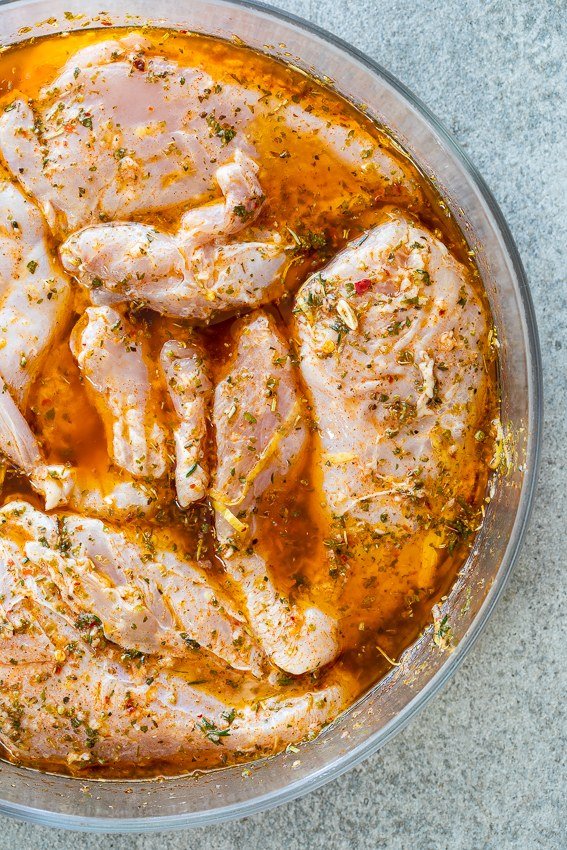
Most marinated chicken is a disappointment. People dunk it in some bottled Italian dressing for 20 minutes, throw it on the grill, and wonder why it tastes exactly like unmarinated chicken with a slightly tangy exterior. The truth about the best way to marinate chicken for maximum flavor is that most of what people believe about marinades is wrong — and the fixes are simple once you understand what’s actually happening.
Here’s the key insight food science has given us: marinades barely penetrate meat. Like, millimeters. All that flavor you’re tasting? It’s almost entirely on the surface. This isn’t bad news — it just means you should optimize for surface flavor, and stop expecting an overnight soak to transform the interior. (Brining is a different story, and we’ll get there.)
What Is the Best Way to Marinate Chicken for Maximum Flavor? The Formula
A great marinade has four components, and you need all four:
- Fat (olive oil, yogurt, coconut milk) — carries fat-soluble flavors, promotes browning, keeps the surface moist
- Acid (citrus juice, vinegar, yogurt, wine) — brightens flavor, tenderizes the surface slightly
- Salt — the single most important ingredient; it’s the only thing that actually penetrates deep into the meat
- Aromatics (garlic, herbs, spices, chilies, ginger) — the flavor identity of the dish
The ratio that works for almost everything: ¼ cup oil + 2–3 tablespoons acid + 1–2 teaspoons kosher salt per pound of chicken + aromatics to taste. Whisk it, coat the chicken thoroughly, and refrigerate.
Timing: The Part Everyone Gets Wrong
30 minutes is enough for thin cutlets and small pieces — the flavor is all on the surface anyway. 2–4 hours is the sweet spot for breasts, thighs, and drumsticks. Overnight (8–12 hours) works for large bone-in pieces, but there’s a catch: too much acid for too long “cooks” the exterior (like ceviche), turning the texture mushy and chalky. Highly acidic marinades (lots of citrus or vinegar) should be capped at 2–4 hours. Never marinate at room temperature for more than the time it takes to prep — bacteria multiply fast. Always refrigerate, and never reuse a marinade that’s touched raw chicken unless you boil it first.
Five Marinades Worth Memorizing
1. Lemon-herb Mediterranean
Olive oil, lemon juice and zest, garlic, oregano, rosemary, salt, pepper. The weeknight workhorse — great grilled, roasted, or pan-seared. Add some feta and olives on the side and dinner’s done.
2. Yogurt-based (the tenderizer)
Plain yogurt, garlic, ginger, cumin, coriander, turmeric, cayenne, salt, lemon juice. This is the tandoori principle: yogurt’s mild acidity and enzymes tenderize more gently than harsh acids, so you can go a full 12–24 hours without mushiness. The result is the most succulent marinated chicken you’ll ever make. Serious Eats’ testing confirms yogurt marinades outperform oil-based ones for texture.
3. Soy-ginger Asian
Soy sauce, sesame oil, rice vinegar, grated ginger, garlic, honey, scallions. The soy brings salt and umami deep into the surface. Fantastic for stir-fry strips or grilled thighs.
4. Chipotle-lime Southwestern
Adobo sauce from canned chipotles, lime juice, olive oil, garlic, cumin, oregano, salt. Smoky, spicy, perfect for tacos — pair with my guide to restaurant-quality tacos at home.
5. Buttermilk (the fried chicken secret)
Buttermilk, hot sauce, salt, pepper, garlic powder. 8–24 hours. The mild acid tenderizes without turning the meat mushy, and the sugars in the buttermilk promote incredible browning. This is why the best fried chicken starts here.
Marinade vs. Brine vs. Dry Brine: Know the Difference
This is where real flavor gains hide. A wet brine (salt + water, sometimes sugar) uses osmosis to carry moisture into the meat — it’s the only method that genuinely changes the interior. Great for lean breasts that dry out. A dry brine (salt applied directly, rested uncovered in the fridge 8–24 hours) does the same job with better browning and zero waterlogging — it’s my default for whole chickens and thick breasts. A marinade flavors the surface. They’re not competitors; they solve different problems. For maximum flavor on a thick chicken breast? Dry brine overnight, then a 1-hour marinade before cooking. That’s the pro move.
Common Marinade Mistakes
- Skipping the salt. An unsalted marinade is just flavored oil. Salt is doing the heavy lifting — don’t rely on soy sauce alone unless the recipe is built around it.
- Too much acid, too long. Mushy exteriors. Cap citrus-heavy marinades at a few hours.
- Not patting dry before cooking. A wet surface steams instead of sears. Pat the chicken dry, then cook — you’ll get dramatically better browning.
- Marinating frozen chicken. The marinade can’t penetrate ice. Thaw first (see my safe thawing guide).
- Using the marinade as sauce without boiling. It’s touched raw chicken. Boil it for 3+ minutes or make a separate fresh batch for serving.
Cooking Marinated Chicken Right
The marinade got you here; don’t fumble the finish. Pat dry, cook over proper heat (medium-high for searing, 400°F+ for roasting), and verify doneness with a thermometer — my guide on telling when chicken is fully cooked covers the 165°F rule and the carryover trick. Rest 5 minutes before slicing so the juices stay put.
The Practical Takeaway
Maximum-flavor marinating = fat + acid + salt + aromatics, 2–4 hours refrigerated (overnight only for mild-acid marinades), pat dry before cooking. Remember that salt penetrates and everything else flavors the surface — and consider dry brining when the interior needs help.
Start with the yogurt marinade this week. It’s the one that made me stop believing marinades were mostly hype.
Freezer Marinating: The Meal-Prep Hack
Here’s a trick that changes weeknight cooking: freeze chicken in the marinade. Portion raw chicken into freezer bags, pour in the marinade, squeeze out the air, and freeze flat. The chicken marinates as it thaws — move a bag to the fridge in the morning and it’s perfectly marinated by dinner. It keeps 3 months frozen, and the texture is excellent because the marinade protects against freezer burn. Just remember the acid rule still applies: use yogurt or mild-acid marinades for this, not heavy citrus ones, since the effective marinating time during a slow thaw is long. Label each bag with the contents and date. This pairs beautifully with batch-cooking weekends and my guide to freezing food safely — your freezer becomes a library of ready-to-cook dinners.


